
Lake Mburo Safari: Complete Guide to Uganda’s Closest Savannah Adventure

Experience a Lake Mburo Safari featuring zebras, giraffes, impalas, scenic savannah landscapes and exciting wildlife encounters in Uganda.
A Lake Mburo Safari introduces travelers to one of Uganda’s most accessible, scenic and wildlife-rich protected areas. Located in western Uganda along the popular Kampala–Mbarara safari route, Lake Mburo National Park provides an excellent introduction to the country’s savannah landscapes without requiring an exceptionally long journey from the capital. The park is particularly famous for zebras, impalas, elands, buffaloes, giraffes, warthogs and numerous antelope species roaming through open grasslands, rocky ridges and acacia woodland. Travelers planning a wider Uganda wildlife safari can easily include Lake Mburo at the beginning or end of a longer journey through western Uganda.
What makes a Lake Mburo Safari particularly attractive is the remarkable variety of experiences available within a relatively compact national park. Unlike destinations where wildlife viewing is almost entirely vehicle-based, Lake Mburo National Park allows visitors to experience the wilderness through game drives, guided nature walks, boat safaris and several other activities. Travelers interested in combining savannah wildlife with primates can extend their journey toward Kibale, where a primate habituation safari provides a completely different perspective on Uganda’s biodiversity.
Where Is Lake Mburo National Park Located?
Lake Mburo National Park lies in western Uganda between Kampala and Mbarara, making it one of the most convenient national parks to include on an overland Uganda safari. Its strategic position means travelers heading toward Bwindi Impenetrable National Park, Queen Elizabeth National Park or Kibale National Park can incorporate a Lake Mburo Safari without making a major detour from the traditional western Uganda safari circuit. Visitors continuing deeper into the country can explore attractions such as the Kibale crater lakes, creating a journey that combines open savannah, wetlands, forests and volcanic landscapes.
The journey toward Lake Mburo passes through some of Uganda’s beautiful countryside, where rolling hills, farms, small towns and extensive cattle-grazing landscapes gradually replace the urban environment around Kampala. This accessibility makes a Lake Mburo Safari suitable for travelers with limited time as well as those undertaking longer Uganda adventures. It can also act as a comfortable stop between Kampala and southwestern Uganda before travelers continue toward the famous Bwindi Impenetrable Forest.
What Makes a Lake Mburo Safari Unique?
One of the greatest attractions of a Lake Mburo Safari is the opportunity to observe wildlife within a remarkably varied ecosystem. The national park protects open savannah, seasonal wetlands, lakes, wooded grasslands, rocky outcrops and acacia forests. These different habitats support a wide range of animals and birds within a relatively small area. Zebras are among the park’s signature animals, while impalas are another important species closely associated with Lake Mburo National Park.
The compact nature of the park can make wildlife encounters feel particularly rewarding because travelers can move between different habitats during a single safari experience. Morning game drives may reveal zebras, buffaloes, giraffes, elands and warthogs, while waterside areas provide opportunities to observe hippos and waterbirds. Visitors who enjoy more active wildlife experiences may appreciate the park’s walking opportunities, especially when combined with other guided nature walks in Uganda during a longer safari.
Lake Mburo Safari as Part of a Bigger Uganda Adventure
Lake Mburo National Park is particularly valuable as part of a longer Uganda safari because of its location between Kampala and several major wildlife destinations in western and southwestern Uganda. A traveler can begin with a Lake Mburo Safari before continuing toward Bwindi for gorilla trekking, Queen Elizabeth National Park for game viewing and boat experiences, or Kibale National Park for chimpanzee trekking. A journey such as a chimpanzee and gorilla trekking safari can therefore be expanded with Lake Mburo to introduce an additional savannah wildlife experience.
Combining Lake Mburo with Uganda’s forest destinations also highlights the extraordinary ecological diversity found within the country. Within one safari itinerary, travelers can encounter zebras and antelopes in open savannah before exploring tropical forests inhabited by primates. Kibale National Park, for example, offers opportunities to experience chimpanzees and other primates, while nearby attractions such as the Bigodi Wetland Sanctuary add community-based nature and birdwatching experiences to the journey.
Who Should Consider a Lake Mburo Safari?
A Lake Mburo Safari can work exceptionally well for first-time visitors to Uganda, wildlife photographers, couples, families and travelers looking for a shorter wildlife adventure. Its accessibility makes it possible to create relatively compact safari itineraries while still experiencing genuine African savannah environments. Travelers who are especially interested in Uganda’s primates can use Lake Mburo as the wildlife component of an itinerary that later includes a chimpanzee habituation experience or gorilla trekking in southwestern Uganda.
Lake Mburo is equally appealing to travelers building a multi-country East African itinerary. Uganda and Rwanda can be combined efficiently because southwestern Uganda connects naturally with Rwanda through several border routes. After exploring Lake Mburo and Uganda’s forest destinations, visitors may extend their adventure into Rwanda through experiences such as a Bwindi and Rwanda primate safari, allowing the trip to feature savannah wildlife, mountain landscapes and primate encounters within one broader journey.
Why Lake Mburo Deserves a Place on Your Uganda Safari
Lake Mburo National Park may be smaller than some of Uganda’s better-known wildlife reserves, but its accessibility, landscapes, wildlife diversity and range of safari activities make it an important destination. A well-planned Lake Mburo Safari can provide memorable encounters with zebras, impalas, giraffes, buffaloes and numerous bird species while giving travelers the chance to explore Uganda’s savannah environment at a relaxed pace.
Whether Lake Mburo is visited as a short standalone wildlife escape or incorporated into a longer journey through western Uganda, the park provides an excellent transition between Uganda’s cities, savannah reserves and famous tropical forests. Travelers can combine Lake Mburo with gorilla trekking, chimpanzee trekking, birdwatching, nature walks and other wildlife experiences to create a highly diverse Uganda safari. For anyone researching Lake Mburo Safari experiences, the destination offers a rewarding combination of accessibility, wildlife, beautiful scenery and adventure that deserves serious consideration when planning a complete Uganda safari.
Why Choose Lake Mburo National Park for a Uganda Safari?
Lake Mburo National Park offers spectacular wildlife viewing, beautiful savannah scenery and memorable Uganda safari experiences.
Choosing a Lake Mburo Safari gives travelers an opportunity to experience one of Uganda’s most distinctive savannah ecosystems without traveling too far from Kampala or Entebbe. Lake Mburo National Park combines open grasslands, acacia woodland, rocky ridges, seasonal wetlands and several lakes within a relatively compact protected area. This diversity creates excellent conditions for wildlife viewing while allowing visitors to enjoy a more relaxed safari atmosphere. Travelers preparing a broader Uganda safari adventure can easily add Lake Mburo National Park to an itinerary involving primates, wildlife and scenic attractions across western Uganda.
One of the strongest reasons to choose a Lake Mburo Safari is accessibility. The park lies along the main route between Kampala and southwestern Uganda, making it a convenient stop for travelers continuing toward Bwindi Impenetrable National Park, Queen Elizabeth National Park or Kibale National Park. Instead of spending an entire travel day simply moving between destinations, visitors can incorporate a wildlife experience at Lake Mburo and then continue deeper into western Uganda. This makes the park particularly useful when creating a diverse Uganda primate and wildlife safari.
A Unique Savannah Experience Close to Kampala
Lake Mburo National Park is among the easiest savannah parks to reach from Uganda’s main international gateway around Entebbe and the capital, Kampala. This makes a Lake Mburo Safari attractive to visitors who have limited vacation time but still want to experience wildlife in a natural African setting. Travelers can leave the busy urban environment behind and gradually enter landscapes characterized by rolling hills, cattle country, open plains and increasingly wild scenery as they approach the national park.
Its location also allows Lake Mburo to serve as either the first major wildlife destination or the final safari stop before returning to Kampala or Entebbe. Travelers who have already explored western Uganda can visit Lake Mburo after experiences such as the Kibale crater lakes, chimpanzee trekking or gorilla trekking, creating a gradual transition from Uganda’s forest landscapes back toward the country’s central region.
Excellent Wildlife Viewing in a Compact National Park
Another important reason to choose a Lake Mburo Safari is the diversity of wildlife found within a comparatively compact area. Lake Mburo National Park is particularly associated with zebras and impalas, two animals that help distinguish the destination from several other Uganda safari parks. Visitors may also encounter giraffes, buffaloes, elands, topis, waterbucks, bushbucks, warthogs and several smaller mammals while exploring different sections of the park.
The landscapes themselves contribute greatly to the safari experience. Wildlife can appear against open grasslands, wooded areas, rocky hills and lakeside environments, giving photographers and nature enthusiasts many different settings to explore. Lake Mburo can also complement destinations such as Queen Elizabeth National Park, which is featured during longer itineraries including this chimpanzee and gorilla safari, where travelers experience additional savannah wildlife before continuing toward Uganda’s primate regions.
More Than Traditional Game Drives
A major advantage of choosing Lake Mburo National Park is that visitors are not restricted to experiencing wildlife only from a safari vehicle. Game drives remain an important part of a Lake Mburo Safari, but travelers can also discover the landscape through guided walking experiences and other nature-based activities. Exploring parts of the park on foot creates a completely different connection with the environment because attention shifts toward animal tracks, plants, insects, birds and smaller details that can easily be overlooked during vehicle-based wildlife viewing.
Travelers who enjoy active adventures can incorporate Lake Mburo into a wider Uganda itinerary featuring additional walking experiences. For example, visitors interested in exploring forests on foot can later experience guided forest walks around the Kibale region. Combining savannah walks with tropical forest experiences creates a much broader understanding of Uganda’s different ecosystems.
Lake Mburo Safari for Birdwatching Enthusiasts
Lake Mburo National Park is also an important destination for travelers interested in birdwatching. Its combination of lakes, wetlands, woodland and open savannah creates habitats for numerous bird species. Visitors can search for both terrestrial and water-associated birds while moving between different areas of the park. The changing vegetation means that even short drives can pass through noticeably different birding environments.
Bird enthusiasts planning a specialized Uganda journey can combine Lake Mburo with other habitats around the country. Uganda’s wetlands provide particularly valuable birding opportunities, and destinations such as Mabamba Bay Wetland can complement a Lake Mburo Safari. Such a combination allows travelers to experience both savannah and wetland birdlife while exploring different parts of Uganda.
A Perfect Addition to Gorilla and Chimpanzee Trekking
Many international visitors travel to Uganda primarily for mountain gorilla and chimpanzee experiences. However, adding a Lake Mburo Safari introduces a completely different wildlife environment to the journey. Instead of spending an entire holiday within forested areas, travelers can combine primates with zebras, giraffes, antelopes, buffaloes and the open landscapes of Uganda’s savannah country.
Lake Mburo works especially well before or after visiting Bwindi Impenetrable National Park. Travelers heading southwest can stop at Lake Mburo before continuing toward the mountain forests, while those finishing their gorilla experience can visit Lake Mburo on their return toward Kampala or Entebbe. Visitors interested in understanding Uganda’s wider primate experiences can also combine the park with a chimpanzee habituation experience, which offers a contrasting forest adventure.
A Relaxed Alternative to Uganda’s Larger Safari Parks
Travelers who prefer a quieter safari atmosphere can find Lake Mburo National Park particularly appealing. Its smaller geographical size creates a more intimate landscape where visitors can move between wildlife habitats without extremely long drives. Instead of concentrating only on covering large distances, a Lake Mburo Safari can place greater emphasis on observing animals, landscapes and birdlife at a comfortable pace.
The park is also ideal for visitors who want variety within a longer safari. Uganda’s larger protected areas offer their own distinctive experiences, while destinations such as Budongo Forest Reserve introduce travelers to completely different forest habitats. Combining these environments helps create an itinerary that represents the remarkable ecological variety found across Uganda.
Beautiful Landscapes and Photography Opportunities
A Lake Mburo Safari is not only about finding animals. The landscapes themselves are an important part of the experience. Rolling hills, rocky outcrops, acacia trees, open grazing areas, wetlands and lakes create constantly changing scenery. During suitable conditions, photographers can capture wildlife within wide natural landscapes rather than concentrating exclusively on close-up animal encounters.
The interaction between wildlife and scenery can make Lake Mburo particularly rewarding for photographers. Zebras standing against open grasslands, giraffes moving between acacia trees and buffaloes gathering within savannah environments can produce memorable images. Travelers continuing through western Uganda can experience further landscape contrasts around destinations such as the Ndali-Kasenda crater lakes, where volcanic scenery replaces the open plains of Lake Mburo.
Ideal for Short and Long Uganda Safari Itineraries
The flexibility of Lake Mburo National Park is another major reason to visit. Travelers with limited time can include the destination within a short Uganda wildlife trip, while visitors taking longer holidays can incorporate it into multi-park safari circuits. A Lake Mburo Safari can therefore be designed around different travel styles, budgets and interests without requiring the destination to dominate the entire itinerary.
For longer journeys, Lake Mburo connects naturally with Uganda’s primate and wildlife destinations. Travelers can move onward to Queen Elizabeth National Park, Kibale National Park and Bwindi before potentially crossing into Rwanda. A combined journey such as a Bwindi and Rwanda primate safari can become even more diverse when Lake Mburo is incorporated as the savannah component of the itinerary.
Is Lake Mburo National Park Worth Visiting?
For travelers wondering whether Lake Mburo National Park is worth visiting, the answer depends largely on the type of Uganda safari they want to experience. Visitors seeking a convenient savannah destination, zebra sightings, diverse antelopes, scenic landscapes, birdwatching and opportunities to experience wildlife beyond standard vehicle game drives will find Lake Mburo highly rewarding. Its position along Uganda’s western tourism route also means that adding the park rarely requires the significant logistical changes associated with reaching more remote wildlife destinations.
A Lake Mburo Safari ultimately provides something different from Uganda’s forest-focused adventures and larger national parks. Its accessibility, wildlife variety, distinctive landscapes and range of activities make it an excellent introduction to Uganda’s savannah environment. When Lake Mburo National Park is combined with gorilla trekking, chimpanzee encounters, wetlands and other wildlife destinations, travelers can experience several dramatically different ecosystems within one Uganda safari, making Lake Mburo a valuable addition to a carefully planned African adventure.
Wildlife to See on a Lake Mburo Safari
Wildlife viewing is one of the main reasons travelers choose a Lake Mburo Safari, and despite being one of Uganda’s smaller savannah national parks, Lake Mburo National Park supports an impressive variety of mammals, birds and aquatic species. The combination of open grasslands, acacia woodland, wetlands, rocky ridges and lake environments creates habitats where visitors can encounter different animals within relatively short distances. Zebras, impalas, elands, buffaloes, giraffes, warthogs, waterbucks and hippos are among the animals travelers may encounter while exploring Lake Mburo National Park, making the destination an important wildlife stop on a wider Uganda safari.
A Lake Mburo Safari is particularly rewarding for travelers interested in seeing species that are less commonly encountered in some of Uganda’s other major safari destinations. The park is especially associated with zebras and impalas, while large elands and giraffes add variety to the open savannah experience. Visitors planning a longer journey can combine these animals with the much broader wildlife diversity encountered on a Uganda wildlife adventure through destinations such as Queen Elizabeth National Park, Murchison Falls National Park and the country’s famous primate forests.
Zebras: The Signature Wildlife of Lake Mburo National Park

Plains zebras grazing across the beautiful savannah of Lake Mburo National Park in western Uganda.
Zebras are among the most recognizable animals associated with a Lake Mburo Safari. Their distinctive black-and-white patterns create memorable scenes as groups graze across the park’s open plains and rolling grasslands. Lake Mburo is one of Uganda’s best-known destinations for seeing plains zebras, making these animals an important attraction for wildlife photographers and first-time safari travelers. Because large sections of the park contain open vegetation, visitors can sometimes observe zebras feeding, resting and interacting with other grazing animals during game drives.
Zebras are frequently encountered alongside other herbivores, creating classic East African savannah scenes. Visitors may see them sharing grazing areas with impalas, topis and other antelopes while larger animals move through the surrounding landscape. Travelers who want a safari itinerary centered around Lake Mburo can consider combining wildlife viewing with a route featuring Lake Mburo and Bwindi gorillas, providing an opportunity to experience both open savannah wildlife and Uganda’s mountain gorilla forests.
Impalas and Other Antelopes

Impalas grazing across the scenic savannah grasslands of Lake Mburo National Park in western Uganda.
The impala is another defining animal of Lake Mburo National Park. These graceful antelopes are frequently associated with the park’s open woodland and grassland environments and are among the species visitors specifically hope to encounter during a Lake Mburo Safari. Watching impalas moving through acacia-dominated landscapes can be particularly rewarding because their alert behavior, social groups and elegant movements provide excellent photography opportunities.
Lake Mburo is also known for several other antelope species. Elands, which are among the world’s largest antelopes, can sometimes be encountered across the park, while topis, waterbucks and bushbucks contribute additional diversity. This collection of herbivores helps make Lake Mburo particularly interesting when combined with larger Uganda safari destinations. Travelers can compare the wildlife of Lake Mburo with animals encountered on a chimpanzee and wildlife safari through other parts of western Uganda.
Giraffes in Lake Mburo National Park
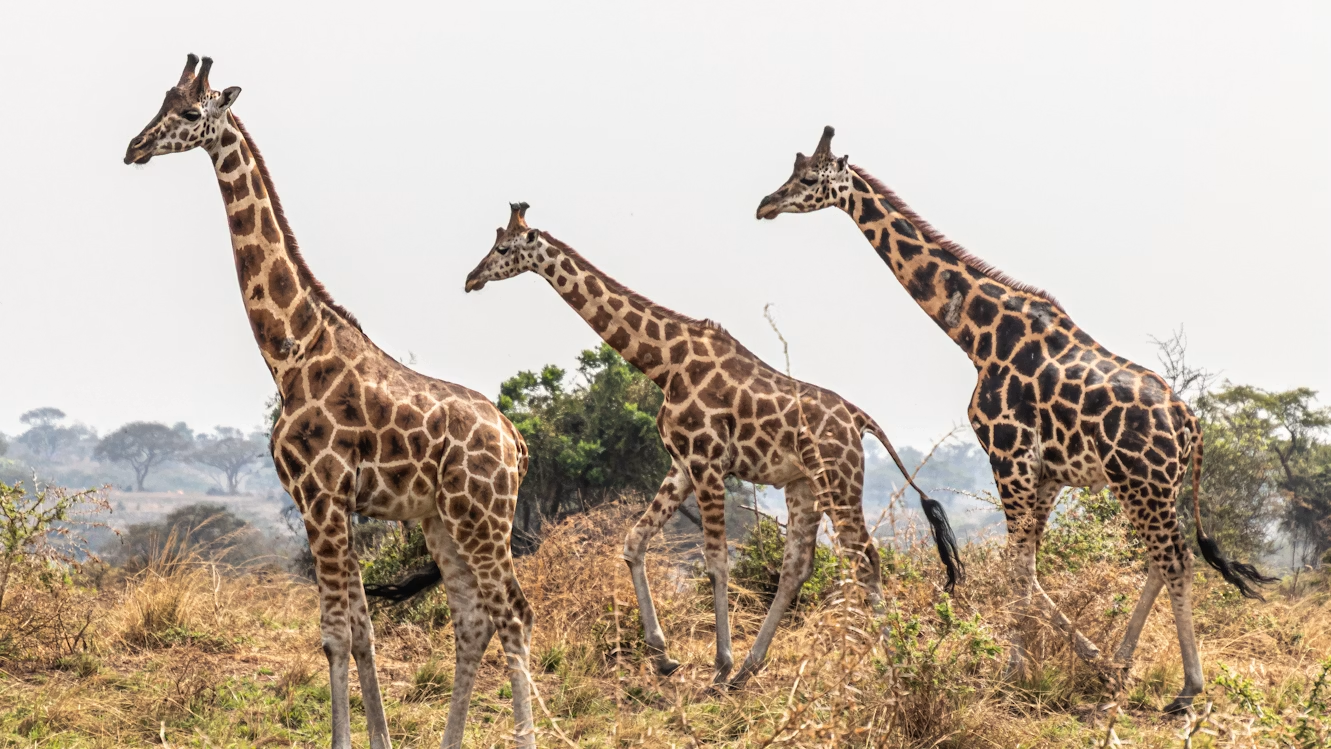
Giraffes have become another exciting attraction for travelers taking a Lake Mburo Safari. Their height and distinctive patterned coats make them easy to recognize as they move through open savannah and woodland areas. Seeing giraffes against Lake Mburo’s rolling landscapes creates some of the most photogenic wildlife encounters in the park. They may be spotted feeding on leaves from taller trees or moving calmly across open areas where visibility is good.
Photographers often appreciate giraffes because they can be photographed within wider landscapes showing the character of Lake Mburo National Park. This contrasts beautifully with forest-based experiences elsewhere in Uganda. A safari combining Lake Mburo’s giraffes and zebras with the forest wildlife discussed in broader Uganda safari experiences can give travelers a much more complete understanding of the country’s wildlife diversity.
African Buffaloes and Other Large Mammals
African buffaloes are another important species visitors may encounter during a Lake Mburo Safari. They can occur in groups around grasslands, woodland and areas close to reliable water sources. Their large size makes them impressive animals to observe from a safe distance during professionally guided wildlife activities. Buffaloes may sometimes be encountered while grazing or moving toward water, especially during periods when animals concentrate around permanent water sources.
Warthogs are also commonly associated with Lake Mburo’s open environments. They often feed close to the ground and can suddenly move through the grass when disturbed. These animals add character to game drives and can be especially entertaining to observe when family groups are encountered. Combining Lake Mburo with other protected areas allows travelers to encounter even more large mammals while exploring Uganda’s national parks on a longer safari.
Hippos and Aquatic Wildlife on Lake Mburo
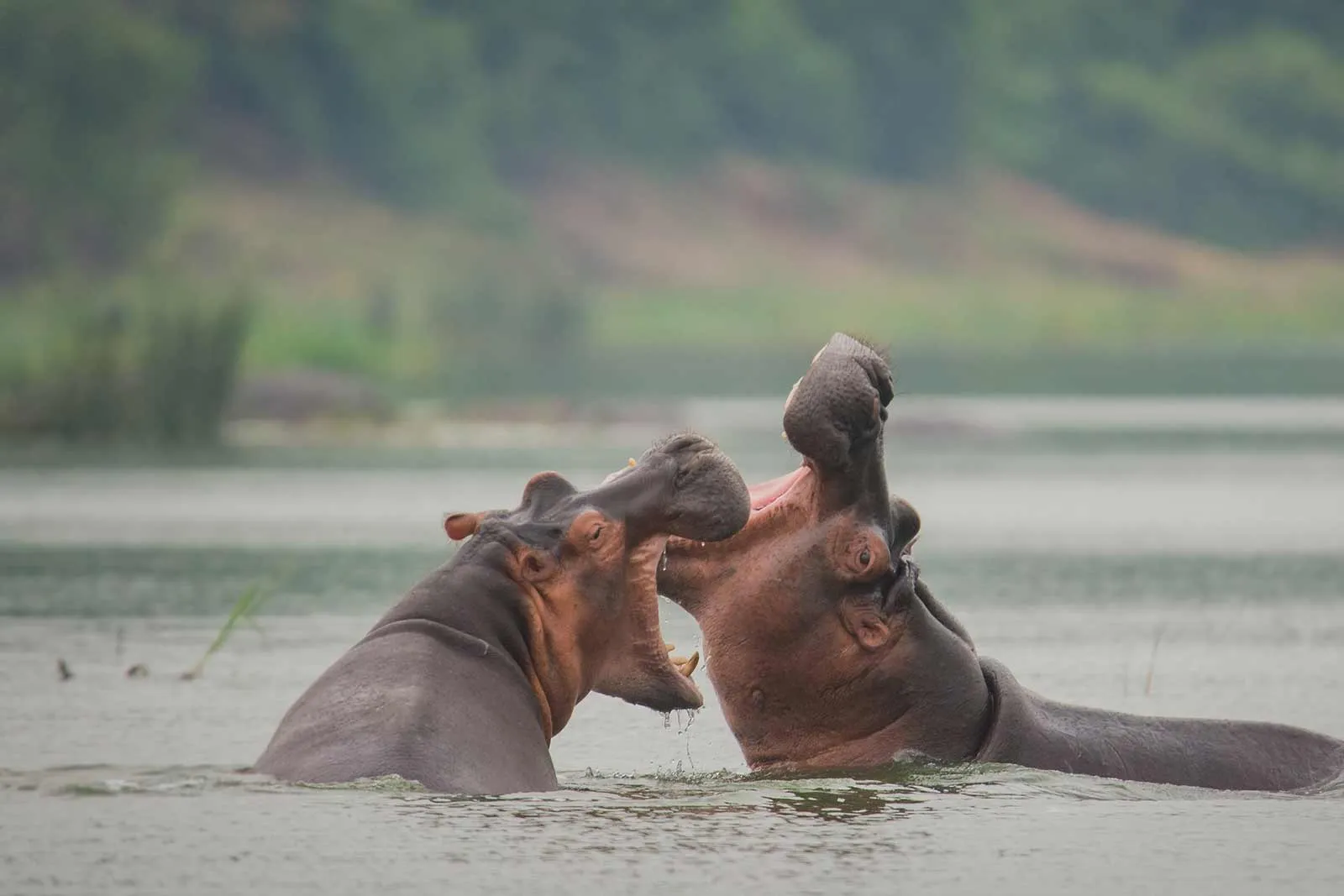
Hippos in the waters of Lake Mburo, where visitors can encounter fascinating aquatic wildlife during a boat safari.
The lake itself introduces an entirely different dimension to the wildlife experience. Hippos are among the most important aquatic mammals visitors can encounter during a Lake Mburo Safari. While they spend much of the day in or close to water, they leave the lake to graze on land, particularly during cooler periods. Observing hippos from an appropriate distance provides travelers with an opportunity to understand how closely the park’s terrestrial and aquatic ecosystems are connected.
A boat safari provides one of the best perspectives for exploring wildlife around the lake. Visitors may encounter hippos while also observing crocodiles and numerous waterbirds around the shoreline. Travelers interested specifically in aquatic wildlife can explore more information about hippos on Uganda boat safaris, where Lake Mburo is featured alongside other important wildlife destinations.
Leopards, Hyenas and Other Predators

A leopard in Lake Mburo National Park, one of the park’s elusive predators and an exciting wildlife sighting on a Uganda safari.
Although Lake Mburo National Park is primarily famous for herbivores, predators are also part of its ecosystem. Leopards occur within the park but are naturally more difficult to see because of their secretive behavior and ability to remain concealed within vegetation. Encountering a leopard during a Lake Mburo Safari can therefore be a particularly memorable wildlife experience. Their activity is often greater during cooler periods and after daylight begins to fade.
Hyenas are another predator associated with Lake Mburo National Park. They are generally less predictable to encounter than zebras, impalas or buffaloes, which makes every sighting special. Visitors interested in predator-rich safari environments can combine Lake Mburo with other Uganda destinations where larger predators form an important part of the experience. Such combinations make a Lake Mburo Safari a useful starting point for exploring the wider diversity of African wildlife safaris available in Uganda.
Birdlife During a Lake Mburo Safari
Wildlife in Lake Mburo extends far beyond mammals. The park supports an impressive variety of birds because of its combination of acacia woodland, open grassland, wetlands, forests and lakeshore habitats. Birdwatchers can spend considerable time searching for species associated with both dry savannah and aquatic environments. African fish eagles, kingfishers, herons, cormorants and other water-associated birds can be observed around the lake, while woodland and grassland habitats support an entirely different collection of species.
The ability to combine mammal viewing with birdwatching makes a Lake Mburo Safari particularly rewarding for nature enthusiasts who prefer diverse wildlife experiences rather than focusing exclusively on large animals. Visitors can also extend their Uganda birding experience into forested regions, combining Lake Mburo with attractions and activities included within a western Uganda safari itinerary.
Best Ways to See Wildlife in Lake Mburo
Different wildlife species are best encountered through different activities. Game drives provide opportunities to explore larger sections of Lake Mburo National Park while searching for zebras, impalas, buffaloes, giraffes, elands, warthogs and predators. Boat safaris focus more closely on the aquatic environment, where visitors can observe hippos, crocodiles and waterbirds. Guided walking experiences provide yet another perspective by allowing visitors to appreciate tracks, vegetation, smaller wildlife and the relationships between animals and their habitats.
Because these activities reveal different parts of the ecosystem, travelers who have enough time should consider combining more than one wildlife experience during their Lake Mburo Safari. A game drive followed by a boat safari or guided nature experience can provide a much broader impression of the park than relying on a single activity. Travelers continuing southwest can then combine Lake Mburo wildlife with the dramatically different landscapes included on a Lake Mburo, Bwindi and Lake Bunyonyi safari.
Why Lake Mburo Is Excellent for Wildlife Photography
Lake Mburo National Park provides excellent wildlife photography opportunities because animals frequently appear against attractive natural backgrounds. Zebras crossing open grasslands, giraffes feeding among acacia trees, impalas gathering in groups and buffaloes moving through the savannah can all produce memorable images. The relatively varied landscape means photographers can capture both close wildlife portraits and wider environmental compositions showing the animals within their natural habitats.
A Lake Mburo Safari therefore provides much more than simply checking animals off a wildlife list. The park offers an opportunity to observe how zebras, antelopes, giraffes, buffaloes, hippos, predators and birds occupy different ecological niches across savannah, woodland, wetlands and lake environments. When incorporated into a longer Uganda safari, these encounters complement gorilla trekking, chimpanzee experiences and the wildlife of larger national parks, giving travelers a rich introduction to the remarkable biodiversity that makes Uganda one of Africa’s most rewarding safari destinations.
Best Things to Do on a Lake Mburo Safari
A Lake Mburo Safari offers much more than conventional wildlife viewing from a safari vehicle. Lake Mburo National Park is one of Uganda’s most versatile safari destinations because visitors can explore its savannah, woodland, wetlands and lake environments through several different activities. Game drives, boat safaris, guided walking safaris, horseback riding, cycling, birdwatching and cultural experiences can all add variety to a visit. This makes the park especially attractive for travelers who want an active Lake Mburo National Park safari rather than spending their entire stay inside a vehicle.
The best Lake Mburo Safari itinerary usually combines several activities because each experience reveals a different side of the park. A game drive provides access to extensive wildlife areas, a boat safari explores the aquatic ecosystem, and a guided walk creates a closer connection with the landscape. Travelers continuing through southwestern Uganda can combine these activities with a Lake Mburo and Bwindi safari, creating an itinerary that combines savannah wildlife with mountain gorilla trekking.
Game Drives in Lake Mburo National Park

Explore the open savannah of Lake Mburo National Park on a game drive in search of zebras, impalas, giraffes, buffaloes and other wildlife.
Game drives remain one of the essential activities on a Lake Mburo Safari. Traveling through the park with an experienced safari guide provides opportunities to search for zebras, impalas, giraffes, buffaloes, elands, topis, waterbucks, warthogs and other wildlife. Different tracks pass through grasslands, wooded areas and sections close to water, allowing visitors to explore several habitats during the same wildlife drive.
Early and later parts of the day can be particularly rewarding because temperatures are generally cooler and many animals are actively feeding or moving between habitats. However, wildlife encounters remain unpredictable, and this uncertainty is part of the excitement of an authentic safari. Lake Mburo’s compact character means travelers can often explore several wildlife areas without spending extremely long periods driving between them, making game viewing an excellent addition to a broader Uganda safari holiday.
Boat Safari on Lake Mburo

A boat safari on Lake Mburo offers close views of hippos, waterbirds and wildlife along the scenic lakeshore.
A boat safari introduces visitors to the aquatic side of Lake Mburo National Park and provides a completely different experience from driving through the savannah. From the water, travelers can observe the shoreline, wetlands and animals associated with the lake environment. Hippos are one of the major attractions, while crocodiles and numerous waterbirds may also be encountered around the lake and its edges.
Birdwatchers can search the shoreline for kingfishers, African fish eagles, herons and other water-associated species while enjoying views across the lake. The boat experience is especially valuable because it allows travelers to appreciate the ecological relationship between Lake Mburo and the surrounding terrestrial habitats. Visitors interested in similar experiences elsewhere can learn more about Uganda boat safari destinations and combine several aquatic wildlife experiences within one itinerary.
Guided Walking Safari in Lake Mburo
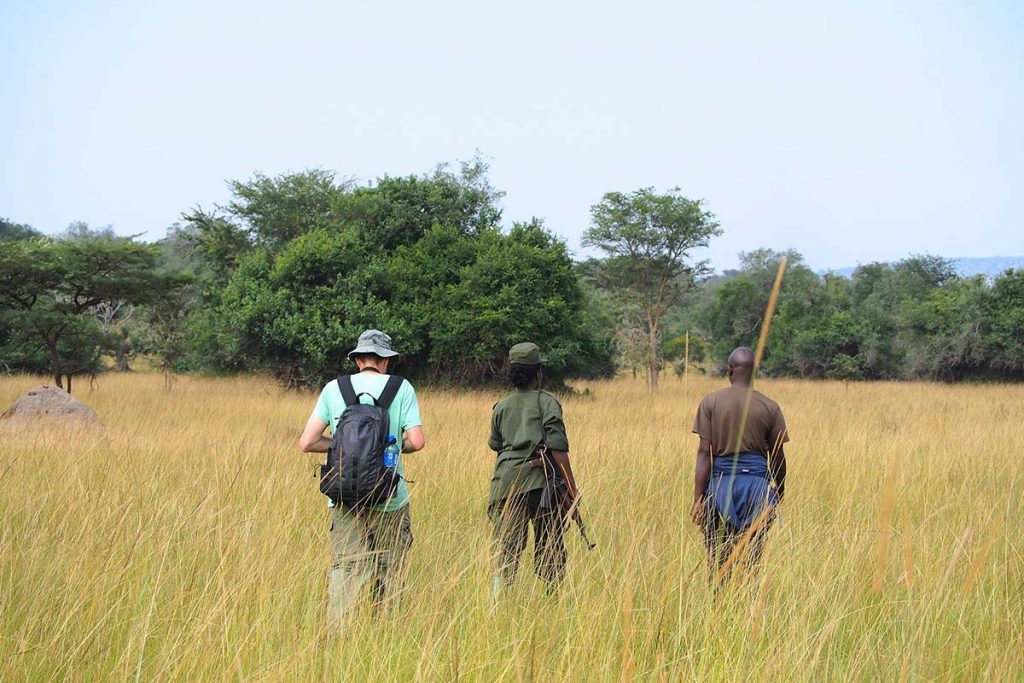
A guided walking safari in Lake Mburo National Park offers an exciting way to explore Uganda’s savannah landscapes and observe wildlife on foot.
A guided walking safari is one of the experiences that makes a Lake Mburo Safari especially distinctive. Exploring designated areas on foot with an authorized guide provides a more intimate perspective of the landscape than viewing everything through a vehicle window. Instead of concentrating exclusively on large mammals, walking encourages travelers to notice animal tracks, vegetation, insects, birds and smaller features of the ecosystem.
Depending on the approved route, conditions and wildlife movements, visitors may encounter animals such as zebras, giraffes and different antelopes from an appropriate distance while following the instructions of their guide. Travelers who particularly enjoy discovering nature on foot can later combine Lake Mburo with guided forest walks in Kibale, experiencing the dramatic contrast between Uganda’s open savannah and tropical forest environments.
Horseback Safari Around Lake Mburo
Horseback riding is another distinctive activity associated with the Lake Mburo area and provides an alternative way to experience its beautiful savannah scenery. Rather than observing the landscape entirely from a safari vehicle, travelers can explore selected areas on horseback under professional supervision. Moving quietly through the countryside can create a peaceful safari atmosphere and provide interesting perspectives for observing wildlife and landscapes.
Horseback experiences are particularly appealing to travelers who want something different from conventional game drives. The combination of horses, rolling hills, acacia woodland and grazing wildlife can create memorable moments during a Lake Mburo Safari. Visitors can incorporate this experience into a longer Uganda safari experience that balances traditional wildlife viewing with more active adventures.
Cycling Experiences Around Lake Mburo
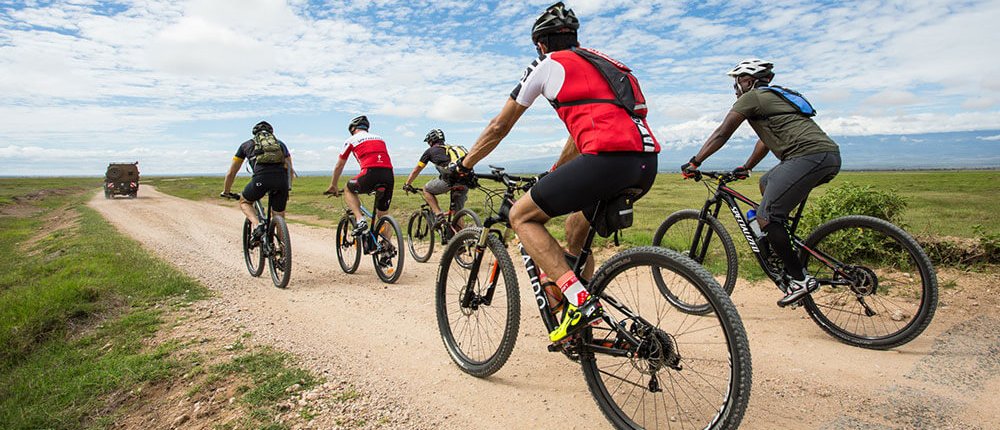
Cycling around Lake Mburo offers an adventurous way to experience western Uganda’s beautiful countryside, wildlife areas and rural landscapes.
Cycling provides another active way to experience the wider Lake Mburo region. Depending on the route and current arrangements, cycling experiences may take visitors through areas surrounding the national park, local communities and scenic countryside. The slower pace allows travelers to appreciate details that can easily be missed while driving, including rural landscapes, farms, vegetation and everyday life around the Lake Mburo ecosystem.
Cycling is particularly suitable for active travelers who want their Lake Mburo Safari to include more than wildlife photography. It can be combined with game drives, walking activities and a boat safari to create a diverse itinerary. Those traveling farther into southwestern Uganda can then continue toward destinations such as Bwindi Impenetrable National Park for an entirely different adventure within Uganda’s mountain forests.
Birdwatching in Lake Mburo National Park

Lake Mburo National Park offers rewarding birdwatching across its wetlands, savannah, woodland and lakeshore habitats.
Birdwatching is one of the most rewarding things to do during a Lake Mburo Safari because the park contains several different habitats within a relatively small geographical area. Wetlands, lakeshores, grasslands, woodland and acacia-dominated landscapes support a rich variety of birdlife. Visitors do not necessarily need to be specialist birders to appreciate the colorful and often highly visible species encountered during game drives, walks and boat excursions.
A boat safari can be particularly rewarding for water-associated birds, while woodland and grassland areas introduce travelers to another range of species. Serious birdwatchers can combine Lake Mburo with additional Uganda birding destinations such as Mabamba Bay Wetland, creating a safari that covers savannah, wetland and forest birding habitats.
Photography During a Lake Mburo Safari
Photography can become an activity in itself during a Lake Mburo Safari. The park’s rolling landscapes, acacia trees, lakes, open grasslands and wildlife provide opportunities for both landscape and animal photography. Zebras are particularly photogenic against the open plains, while giraffes framed by acacia woodland can produce classic African safari images. The lake and surrounding wetlands provide further opportunities for photographing hippos, birds and reflections on the water.
Photographers who spend more than one night around Lake Mburo can explore different areas under changing light and weather conditions rather than rushing through the park. A longer Uganda journey can then introduce completely different photographic environments, including the volcanic landscapes and forests surrounding the Kibale crater lakes.
Community and Cultural Experiences Around Lake Mburo
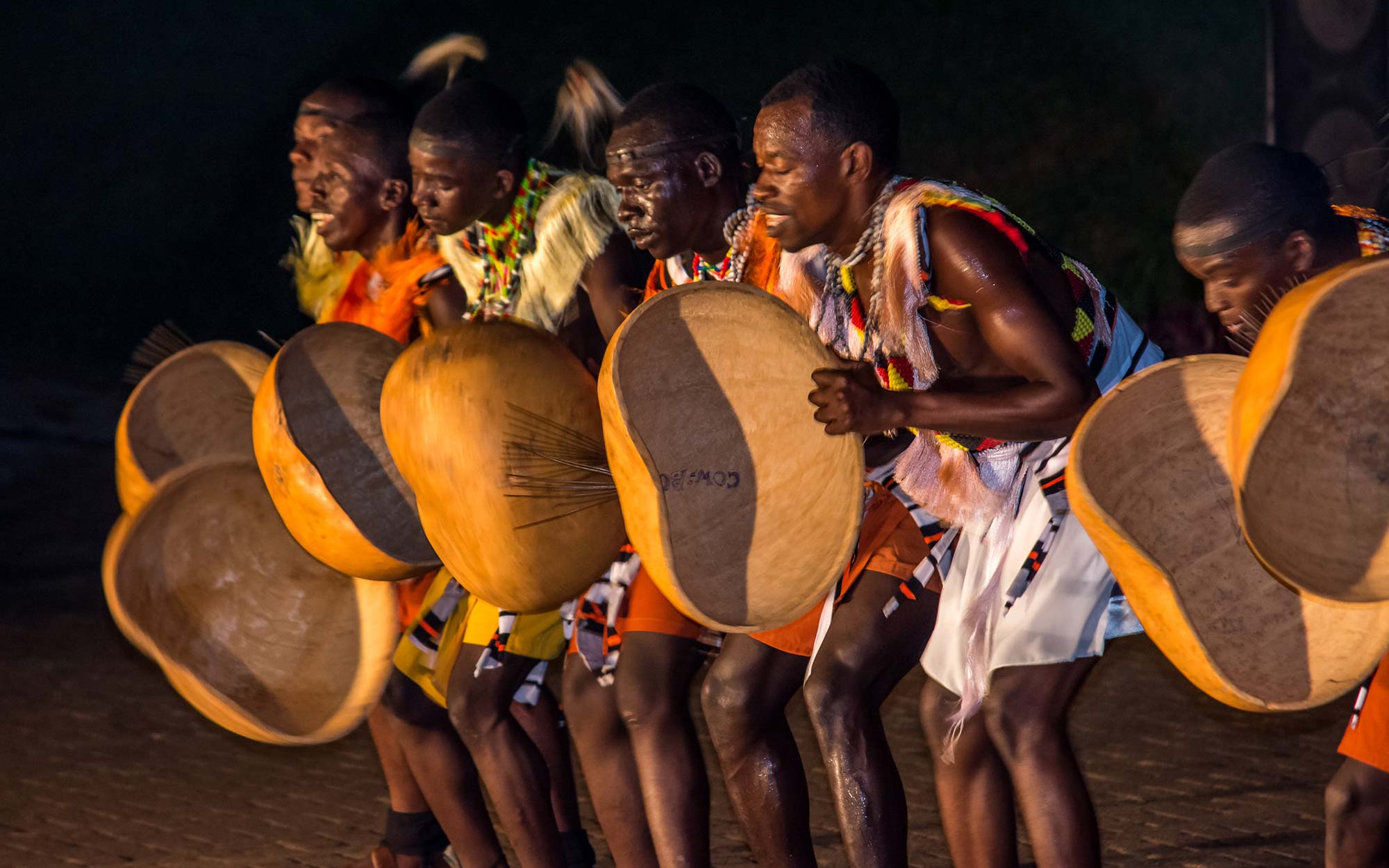
A vibrant traditional cultural performance showcasing local music, dance and community heritage during a Uganda safari experience.
The wider Lake Mburo region is characterized by pastoral communities and cattle-keeping traditions that form an important part of the cultural landscape of southwestern Uganda. Carefully organized community experiences can introduce travelers to aspects of local life while creating opportunities for tourism revenue to benefit communities living near wildlife areas. These experiences should be approached respectfully, with an emphasis on genuine cultural exchange rather than treating communities simply as tourist attractions.
Combining cultural interaction with wildlife viewing gives travelers a broader understanding of the relationship between protected areas and the people living around them. This human dimension can also be explored in other parts of western Uganda, where community-based attractions such as Bigodi Wetland Sanctuary demonstrate how conservation, local livelihoods and tourism can work together.
Combine Lake Mburo Activities with Gorilla Trekking

Combine the wildlife experiences of Lake Mburo National Park with an unforgettable mountain gorilla trekking adventure in southwestern Uganda.
One of the best ways to maximize a Lake Mburo Safari is to combine its activities with gorilla trekking in southwestern Uganda. Lake Mburo lies naturally along routes connecting Kampala with the country’s southwestern tourism region, making it possible to experience zebras, giraffes, antelopes and savannah scenery before continuing toward the mountain forests inhabited by gorillas.
The contrast is one of the great advantages of combining the destinations. One part of the journey may involve a game drive through open grasslands, while another takes travelers beneath the dense forest canopy in search of primates. Travelers interested in combining these environments can explore a Bwindi primate trekking safari and incorporate Lake Mburo as the wildlife component of the wider itinerary.
How Many Activities Should You Include on a Lake Mburo Safari?
The number of activities to include depends largely on how long travelers plan to stay in Lake Mburo National Park. Visitors on a very short safari may prioritize a game drive and one additional activity, while travelers staying longer can combine game viewing with a boat safari, walking experience, birdwatching and other available activities. Trying different experiences is particularly worthwhile because each activity reveals a different aspect of the Lake Mburo ecosystem.
For many travelers, the ideal Lake Mburo Safari is therefore not simply about seeing as many animals as possible. It is about experiencing the park from several perspectives: driving across the savannah, exploring designated areas on foot, watching hippos and birds from the water, photographing zebras and giraffes, and discovering the landscapes and communities surrounding the protected area. This combination of wildlife, scenery and active adventure is what makes Lake Mburo National Park one of the most versatile additions to a complete Uganda safari itinerary.
Best Time to Visit Lake Mburo National Park

Lake Mburo National Park offers rewarding wildlife and beautiful savannah scenery throughout the year, with each season providing a different safari experience.
The best time to visit Lake Mburo National Park depends on the type of safari experience a traveler wants, although the park can be explored throughout the year. Lake Mburo lies within a relatively dry part of southwestern Uganda and offers rewarding wildlife viewing during both dry and wetter periods. For many visitors, the drier months are particularly attractive because vegetation can become less dense and animals may concentrate around reliable water sources. However, the wetter periods transform the park into a greener landscape and can provide excellent conditions for birdwatching and photography. Understanding seasonal differences is therefore important when planning a Lake Mburo National Park safari.
A Lake Mburo Safari can also be planned according to a wider Uganda itinerary rather than choosing travel dates exclusively around this park. Many travelers combine Lake Mburo with Bwindi Impenetrable National Park, Queen Elizabeth National Park and Kibale National Park, so weather conditions across western and southwestern Uganda should also be considered. Travelers researching the best time to visit Uganda can use seasonal conditions to determine how Lake Mburo fits into a longer wildlife and primate safari.
Lake Mburo Safari During the Dry Seasons
The drier periods are generally considered among the most convenient times for a Lake Mburo Safari, particularly for travelers whose main priority is wildlife viewing. Uganda commonly experiences relatively drier conditions around June to August and again around December to February, although weather patterns can vary from year to year. During drier conditions, grasses may become shorter in some areas and animals can be easier to notice across the open savannah.
Reduced rainfall can also make some park tracks easier to navigate, which can be helpful when exploring different wildlife areas during game drives. Zebras, impalas, giraffes, buffaloes, elands, topis and warthogs remain among the animals visitors may search for during a Lake Mburo Safari. Travelers continuing southwest during the same journey can combine these savannah encounters with Bwindi gorilla trekking, creating a diverse dry-season Uganda adventure.
June to August: A Popular Period for Lake Mburo Safaris
June, July and August are popular months for traveling through Uganda and can provide favorable conditions for visiting Lake Mburo National Park. Rainfall is often lower than during the main wetter periods, and the generally drier conditions can make game drives and other outdoor activities more comfortable. Wildlife remains spread throughout the park, but areas around permanent water can become increasingly important as surrounding seasonal water sources diminish.
These months also coincide with a popular international travel period, meaning visitors planning a longer Uganda safari should consider arranging accommodation and important activities well in advance. Lake Mburo is frequently incorporated into journeys that continue toward Uganda’s primate destinations, including itineraries such as a chimpanzee and gorilla trekking safari.
December to February: Another Excellent Time for Lake Mburo
December through February can also offer relatively dry conditions suitable for a Lake Mburo Safari. Warm days, open savannah scenery and generally manageable road conditions can make this period attractive for game drives, guided walks and other outdoor activities. Because conditions are not identical every year, travelers should still prepare for occasional rainfall even during months normally associated with drier weather.
This period can work especially well for travelers escaping colder northern-hemisphere weather and seeking an African wildlife adventure. Lake Mburo can serve as the first destination before continuing into western Uganda or as the final wildlife stop before returning toward Kampala and Entebbe. Visitors interested in a broader safari can combine Lake Mburo with a Bwindi and Rwanda primate safari.
Visiting Lake Mburo During the Wet Seasons
The wetter periods should not automatically be considered a poor time for a Lake Mburo Safari. Rainfall rejuvenates the grasslands and woodland, producing greener landscapes that can be particularly attractive for photography. The vegetation becomes lush, flowers and plants respond to increased moisture, and the entire park can develop a fresh appearance that differs considerably from the drier-season landscape.
Rain usually does not mean that wildlife activities become impossible throughout the day. Conditions can change quickly, and travelers may experience periods of sunshine between showers. Some tracks can become muddy following heavier rainfall, but an experienced safari team can adjust activities according to local conditions. Visitors interested in combining Lake Mburo with Uganda’s greener forest environments can also explore attractions such as the Kibale crater lakes during the same journey.
March to May: Green Landscapes and Fewer Visitors
March, April and May are generally associated with one of Uganda’s wetter periods. For some travelers, this can actually make a Lake Mburo Safari more appealing. The landscapes can become intensely green, creating beautiful backgrounds for zebras, giraffes, buffaloes and antelopes. Photographers who appreciate dramatic skies, rich vegetation and colorful landscapes may find this period particularly rewarding.
Visitor numbers may also be lower than during some of the busiest travel months, potentially creating a quieter safari atmosphere. Travelers should, however, prepare for rain and changing road conditions. Waterproof clothing, suitable footwear and flexible scheduling become especially useful. Those continuing into Uganda’s forest regions can add activities such as guided forest walks in Kibale to experience another side of the country’s rainy-season environment.
September to November: Birding and Green-Season Safaris
September through November can bring another period of increased rainfall, although the exact timing and intensity vary. Lake Mburo National Park remains accessible, and wildlife viewing continues throughout these months. The combination of fresh vegetation, wetlands and active birdlife can make this period especially interesting for travelers whose safari interests extend beyond large mammals.
Birdwatchers can take advantage of Lake Mburo’s mixture of lakeshore, wetland, woodland and grassland habitats. Travelers building a specialist birding itinerary can combine Lake Mburo with other important sites such as Mabamba Bay Wetland, creating a journey through several of Uganda’s contrasting bird habitats.
Best Time for Wildlife Viewing in Lake Mburo
Travelers primarily interested in large mammals often prefer the drier periods for a Lake Mburo Safari. As vegetation becomes less dense in some areas, animals can sometimes be easier to detect. Water availability can also influence wildlife distribution, making permanent water sources increasingly important. However, Lake Mburo’s wildlife does not disappear during the rainy periods, and productive sightings remain possible throughout the year.
The time of day can be just as important as the month of travel. Cooler parts of the day are often productive because many animals are actively feeding or moving. A knowledgeable guide can select suitable tracks according to recent wildlife activity, vegetation and water conditions. Travelers can then compare Lake Mburo’s wildlife with species encountered elsewhere during a broader Uganda wildlife safari.
Best Time for a Boat Safari on Lake Mburo
Boat safaris can be enjoyed at different times of the year because Lake Mburo provides permanent aquatic habitat. Hippos, crocodiles and water-associated birds are among the major attractions around the lake. Water levels, vegetation and weather conditions can influence the character of each excursion, meaning repeat visitors may experience noticeably different scenery during different seasons.
A boat safari can be particularly refreshing when combined with a game drive because travelers move from the open savannah to an aquatic environment within the same national park. Visitors who enjoy viewing wildlife from the water can compare Lake Mburo with other destinations featured among the best Uganda parks for boat cruises.
Best Time for Walking Safaris and Outdoor Activities
Travelers interested in walking safaris, cycling and other active experiences may find the drier months particularly convenient because trails and surrounding areas are generally less affected by rainfall. Comfortable ground conditions can make walking more enjoyable, although activities should always follow park regulations and the guidance of trained professionals. Cooler parts of the day are usually preferable for physically active experiences.
The rainy periods can nevertheless provide beautiful walking conditions when showers are absent, especially because the landscape becomes exceptionally green. Travelers who enjoy exploring natural environments on foot can combine Lake Mburo’s savannah experience with Uganda guided nature walks in forest destinations later in their itinerary.
Best Time for Photography in Lake Mburo National Park
There is no single perfect month for photography because both dry and wet conditions offer different advantages. Drier periods may provide clearer views across open grasslands and can make wildlife easier to isolate against simpler backgrounds. Zebras, giraffes, impalas and buffaloes photographed within golden savannah landscapes can create classic African safari images.
Wet-season photography has an entirely different character. Green grasslands, dramatic clouds, fresh vegetation and reflections around wetlands can produce vibrant landscape photographs. Photographers should therefore select their travel period according to the visual style they prefer rather than assuming that only dry-season conditions produce worthwhile images.
Best Time to Combine Lake Mburo with Gorilla Trekking
Lake Mburo National Park is frequently combined with gorilla trekking because it lies conveniently along routes between central Uganda and the southwest. The relatively drier periods can be attractive for this combination because travelers experience potentially easier road and trekking conditions, although gorilla trekking operates throughout the year and rainforest conditions can always include rainfall.
Combining the destinations creates one of Uganda’s most interesting wildlife contrasts. Travelers can observe zebras, giraffes and antelopes across Lake Mburo’s savannah before continuing into dense mountain forest in search of gorillas. A route incorporating Lake Mburo, Bwindi and Lake Bunyonyi can bring several dramatically different landscapes together within one southwestern Uganda safari.
So, What Is the Best Month for a Lake Mburo Safari?
For travelers whose main priorities are game viewing, relatively dry conditions and comfortable road travel, the June-to-August and December-to-February periods are often strong choices for a Lake Mburo Safari. Travelers interested in greener scenery, birdwatching, photography and potentially quieter conditions may prefer parts of the wetter seasons. Weather patterns are increasingly variable, however, so these periods should be treated as general seasonal guidance rather than guaranteed daily forecasts.
Ultimately, Lake Mburo National Park is a year-round Uganda safari destination. Every season changes the appearance and atmosphere of the park without removing its fundamental attractions. Zebras, impalas, giraffes, buffaloes, hippos, antelopes and diverse birdlife remain part of the Lake Mburo ecosystem throughout the year. Choosing the best time to visit Lake Mburo should therefore depend on personal interests, the other destinations included in the itinerary and whether the traveler prioritizes wildlife viewing, birding, photography, walking activities or a combination of several experiences.
Lake Mburo Safari Costs, Park Fees and Safari Budget
Understanding Lake Mburo Safari costs is important when planning a short wildlife escape or a longer Uganda safari. The total cost of a Lake Mburo Safari depends on several factors, including the number of travelers, length of stay, accommodation category, transportation, park entrance fees, activities, meals and whether Lake Mburo National Park is visited independently or as part of a longer safari itinerary. Compared with some longer Uganda wildlife journeys, Lake Mburo can be relatively affordable because of its convenient location and compact size. Travelers researching different Lake Mburo safari options should therefore consider the complete package rather than looking only at the park entrance fee.
There is no single fixed Lake Mburo Safari price because every itinerary can be designed differently. A short safari using budget accommodation will naturally cost less than a private multi-day journey using higher-end lodges and several activities. Group size can also have a major influence because transportation and guiding expenses may be shared among several travelers. Visitors planning a wider Uganda safari budget should compare budget, mid-range and luxury travel styles before deciding which Lake Mburo experience provides the best value.
Lake Mburo National Park Entrance Fees
Park entrance fees are one of the fundamental costs of visiting Lake Mburo National Park. The applicable amount can depend on visitor category and current conservation authority regulations. International non-residents, foreign residents, East African citizens and children may fall under different fee categories. Because park tariffs can be revised, travelers should always confirm the latest official rates when booking rather than relying on an old Lake Mburo Safari price published several years earlier.
Park fees contribute toward the management and conservation of protected areas and should be treated as an essential part of the safari budget. A professionally arranged itinerary will normally account for the required conservation fees together with transportation, accommodation and scheduled activities. Travelers visiting several protected areas during one journey should calculate these costs across the entire Uganda safari itinerary rather than budgeting for Lake Mburo alone.
Transportation Costs for a Lake Mburo Safari
Transportation can represent a significant part of the total Lake Mburo Safari cost. Most visitors reach Lake Mburo National Park by road from Kampala, Entebbe or another destination in western Uganda. The price of transportation can depend on the type of safari vehicle, number of travel days, fuel requirements, guide services and whether the vehicle remains with the travelers throughout the safari.
Private transportation provides flexibility because the itinerary can include scenic stops and connections with other national parks. Lake Mburo’s position makes it particularly convenient for travelers continuing toward Bwindi, Queen Elizabeth or Kibale. Visitors considering a longer route can combine their Lake Mburo Safari with Bwindi and Lake Bunyonyi, spreading transportation costs across several destinations rather than organizing completely separate trips.
Budget Lake Mburo Safari Costs
A budget Lake Mburo Safari is suitable for travelers who want to experience the national park while controlling accommodation and transportation expenses. Budget trips may use simpler guesthouses, camps or lodges around the park while concentrating spending on essential wildlife activities. Traveling with several people can further reduce the per-person cost because vehicle, fuel and guiding expenses can be shared.
Choosing a budget safari does not necessarily mean sacrificing the main wildlife experiences. Visitors can still enjoy game drives and select additional activities according to their interests. The key difference is usually the accommodation category, level of private service and number of optional activities included. Travelers comparing costs across Uganda can use broader budget and luxury safari differences to determine where they prefer to spend or save.
Mid-Range Lake Mburo Safari Costs
Mid-range Lake Mburo Safaris are popular with travelers seeking a balance between comfort and overall cost. This category generally focuses on comfortable safari accommodation, private transportation and a carefully planned selection of activities without necessarily using the most expensive properties available. For many visitors, this provides an excellent balance because they can enjoy quality accommodation while keeping enough of the budget available for game drives, boat safaris and other experiences.
A mid-range safari can also be incorporated easily into a longer western Uganda journey. Travelers may spend one or two nights around Lake Mburo before continuing toward the forests of southwestern Uganda. A combination such as a chimpanzee and gorilla safari can be extended to include Lake Mburo, allowing visitors to distribute their overall safari budget across savannah wildlife and primate experiences.
Luxury Lake Mburo Safari Costs
A luxury Lake Mburo Safari places greater emphasis on premium accommodation, personalized service, privacy and carefully organized activities. Higher-end safari properties can offer attractive locations, spacious rooms or tents, excellent views and a more exclusive atmosphere. Private transportation and customized scheduling may also form part of a luxury itinerary, allowing travelers to explore Lake Mburo National Park at a comfortable pace.
Luxury travelers frequently include Lake Mburo within a longer tailor-made Uganda safari rather than visiting it as an isolated destination. The journey may continue toward Bwindi for gorilla trekking or into Rwanda for additional primate and cultural experiences. Combining Lake Mburo with a Bwindi and Rwanda safari can create a premium itinerary featuring savannah wildlife, mountain forests and several different landscapes.
Cost of Game Drives in Lake Mburo National Park
Game drives are among the principal activities to include in a Lake Mburo Safari budget. Depending on how the safari has been arranged, game-drive expenses may already be incorporated into vehicle hire, guiding and the overall tour price. Travelers should confirm exactly what their safari quotation includes so they understand whether game drives, guides and related park charges are already covered.
The value of a game drive comes from having sufficient time to explore different habitats rather than rushing through the national park. Zebras, impalas, giraffes, buffaloes, elands, topis, waterbucks and warthogs are among the species visitors may search for. Including enough game-viewing time can therefore be more worthwhile than choosing the cheapest possible itinerary and having very little opportunity to experience the park.
Lake Mburo Boat Safari Cost
A boat safari should be considered separately when estimating the overall Lake Mburo Safari cost because it offers a different wildlife experience from a game drive. The excursion takes visitors onto the lake, where they can observe aquatic habitats and search for hippos, crocodiles and numerous waterbirds. Current boat charges should be confirmed when arranging the safari because activity rates and schedules can change.
For many travelers, the additional cost is worthwhile because the boat excursion introduces an entirely different ecosystem. Visitors who particularly enjoy viewing wildlife from the water can also compare Lake Mburo with the best Uganda boat safari destinations and incorporate more than one aquatic wildlife experience into a longer itinerary.
Walking Safari and Other Activity Costs
Guided walking experiences, horseback riding, cycling and other optional activities can increase the total Lake Mburo Safari price, but they can also make the trip considerably more varied. Travelers do not necessarily need to include every available activity. Instead, the budget should prioritize experiences that match individual interests. Wildlife enthusiasts may concentrate on game drives, while active travelers may place greater value on walking or cycling.
A guided walking safari can be particularly worthwhile because it changes the way visitors experience the environment. Rather than concentrating only on large animals, travelers begin noticing tracks, vegetation, birds and smaller ecological details. Those who enjoy this approach can later combine Lake Mburo with guided forest walking experiences elsewhere in western Uganda.
Accommodation Costs Around Lake Mburo
Accommodation is another major factor determining the cost of a Lake Mburo Safari. Options around the park range from relatively simple camps and budget properties to comfortable mid-range lodges and more exclusive safari accommodation. Prices vary according to location, room category, meal arrangements, level of service and season. Travelers should therefore compare accommodation based on both price and convenience for the activities they intend to undertake.
Spending slightly more for strategically located accommodation can sometimes improve the overall safari experience by reducing unnecessary driving between the lodge and wildlife areas. Conversely, budget-conscious travelers may prefer simpler accommodation and allocate more money toward activities. The best choice depends on whether comfort, location, activities or the lowest possible Lake Mburo Safari cost is the primary consideration.
One-Day Lake Mburo Safari Cost
A one-day Lake Mburo Safari can appeal to travelers with very limited time, particularly those beginning from Kampala or areas along the western Uganda route. Because there is no overnight accommodation, the overall cost can be lower than a multi-day trip. However, transportation, park fees, guiding and selected activities still need to be included, and the amount of time available inside the park may be limited by the road journey.
For travelers who can spare additional time, staying overnight often creates a more relaxed experience and provides opportunities to explore the park during different parts of the day. A one-day trip should therefore be selected primarily because of time constraints rather than simply because it appears to be the cheapest Lake Mburo Safari option.
Two-Day Lake Mburo Safari Cost
A two-day Lake Mburo Safari provides a useful balance between cost and experience. One overnight stay gives travelers greater flexibility to combine activities without attempting to fit transportation and wildlife viewing into a single rushed day. Depending on arrival and departure arrangements, visitors can include game viewing and another activity such as a boat excursion or guided nature experience.
Two-day itineraries are also easy to connect with journeys toward southwestern Uganda. Travelers can continue toward Bwindi after Lake Mburo rather than returning immediately to Kampala. This makes the park an efficient addition to itineraries focused on Bwindi Impenetrable National Park and Uganda gorilla trekking.
Three-Day Lake Mburo Safari Cost
A three-day Lake Mburo Safari generally costs more because it includes additional accommodation, meals, vehicle use and potentially more activities, but it provides a much more relaxed exploration of the destination. Travelers can experience different sections of the park without rushing and have enough time to combine game drives, a boat safari, birdwatching and selected active experiences.
For photographers and wildlife enthusiasts, the additional time can be particularly valuable because animal sightings and weather conditions change throughout the day. Spending several nights also creates opportunities to appreciate Lake Mburo as a destination in its own right rather than treating it simply as a short stop between Kampala and southwestern Uganda.
How to Reduce the Cost of a Lake Mburo Safari
Travelers can reduce Lake Mburo Safari costs by choosing accommodation carefully, traveling with companions, limiting unnecessary optional activities and incorporating Lake Mburo into a longer route rather than arranging a separate return journey from Kampala. Sharing a safari vehicle is particularly important because transportation and guiding expenses can represent a substantial portion of the total price.
Budgeting should nevertheless focus on value rather than simply selecting the lowest quotation. A very cheap itinerary may exclude important services or provide insufficient time for wildlife viewing. Travelers should check whether accommodation, meals, transportation, fuel, guiding, park fees and scheduled activities are included before comparing different Lake Mburo Safari prices.
Is a Lake Mburo Safari Worth the Cost?
A Lake Mburo Safari can provide excellent value because visitors gain access to savannah wildlife, lake environments, birdlife and several different activities within a destination conveniently positioned along Uganda’s western tourism route. The park can be especially cost-effective when incorporated into a longer itinerary because travelers do not necessarily need to make a major detour to experience it.
The final Lake Mburo Safari cost should therefore be evaluated according to the complete experience rather than a single park fee or accommodation rate. A carefully designed safari can combine zebras, impalas, giraffes, buffaloes, hippos, game drives, boat excursions and beautiful savannah scenery within a relatively compact journey. Whether travelers choose a budget, mid-range or luxury Lake Mburo Safari, planning the right combination of accommodation, transportation and activities can produce a rewarding wildlife experience while keeping the overall Uganda safari budget under control.
Where to Stay: Best Lake Mburo Safari Lodges and Accommodation
Choosing the right accommodation is an important part of planning a Lake Mburo Safari because where you stay can influence comfort, wildlife-viewing opportunities, travel time and the overall atmosphere of your journey. Lake Mburo National Park offers accommodation options ranging from simple camps and affordable guesthouses to comfortable mid-range lodges and more exclusive safari properties. Travelers exploring Lake Mburo National Park can therefore select accommodation according to their budget, preferred level of comfort and the activities they intend to include in their safari.
When comparing Lake Mburo Safari accommodation, price should not be the only consideration. Location is particularly important because a lodge situated conveniently near the park or major activity areas can reduce unnecessary driving and give travelers more time for game drives, boat safaris, birdwatching and other experiences. Visitors combining Lake Mburo with a wider Uganda safari holiday should also consider how easily their chosen accommodation connects with the next destination on the itinerary.
Luxury Accommodation for a Lake Mburo Safari
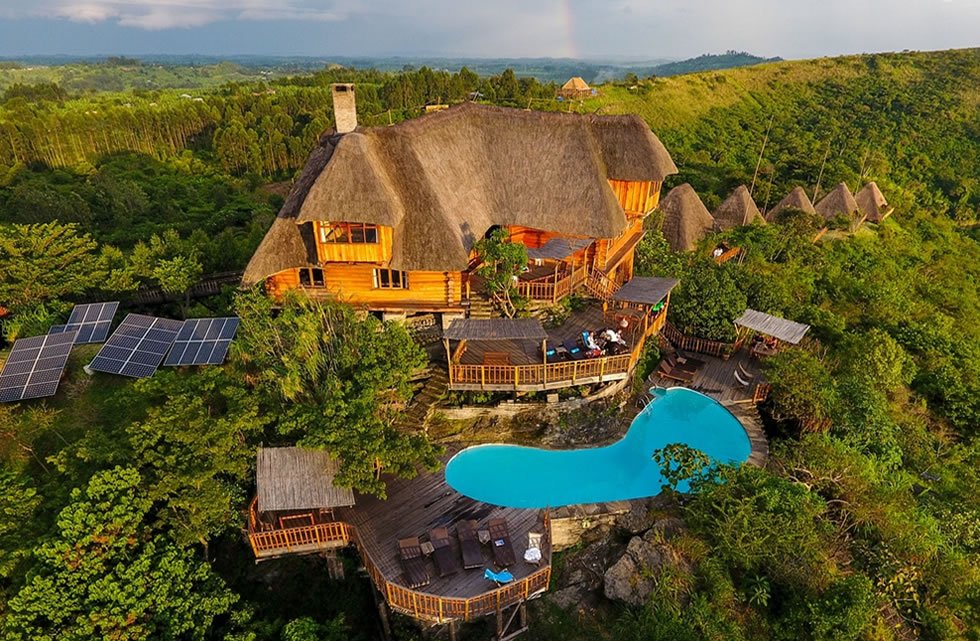
Luxury accommodation around Lake Mburo combines comfortable safari living with beautiful views of Uganda’s rolling savannah and wilderness.
Luxury Lake Mburo Safari accommodation is suitable for travelers who value privacy, attractive surroundings, personalized service and a higher level of comfort. Premium properties around the Lake Mburo ecosystem often emphasize their relationship with the surrounding landscape, allowing guests to enjoy views of savannah, rolling hills or wildlife areas while relaxing between safari activities. Spacious accommodation, quality dining and carefully designed communal areas can make the lodge itself an important part of the safari experience.
Luxury travelers often spend more than one night around Lake Mburo so that they can experience the destination without rushing between activities. A relaxed stay allows time for game drives, wildlife photography, a boat safari and selected nature experiences while still leaving room to enjoy the accommodation. This travel style can also be extended into other parts of Uganda, where visitors can compare different luxury and mid-range safari options before creating a complete itinerary.
Mihingo Lodge Near Lake Mburo National Park
Mihingo Lodge is among the best-known higher-end accommodation options associated with the Lake Mburo area. Its setting within the wider landscape makes it particularly attractive to visitors looking for a peaceful safari atmosphere combined with convenient access to wildlife activities. The surrounding scenery can become part of the experience, especially for travelers interested in photography, relaxation and spending additional time close to nature rather than simply arriving for the night and leaving early the following morning.
A stay in this part of Lake Mburo can work particularly well for couples, photographers and travelers taking a customized private safari. Lake Mburo can then be combined with southwestern Uganda’s forest destinations, allowing visitors to move from open savannah accommodation toward lodges near Bwindi Impenetrable National Park for mountain gorilla trekking.
Mid-Range Lake Mburo Safari Accommodation

Comfortable mid-range accommodation around Lake Mburo offers travellers a relaxing base for exploring the park’s wildlife and beautiful savannah landscapes.
Mid-range accommodation is an excellent choice for many Lake Mburo Safari travelers because it provides a comfortable place to stay without pushing the overall safari budget into the premium category. These properties normally focus on clean and comfortable rooms or safari tents, meals, welcoming communal areas and convenient access to the national park. For travelers who intend to spend most of their day exploring Lake Mburo, a good mid-range lodge can provide everything needed for a comfortable overnight experience.
Choosing mid-range accommodation can also leave more of the safari budget available for activities and additional destinations. Instead of spending heavily on accommodation alone, travelers can invest in boat safaris, game drives and longer journeys into western Uganda. This approach is particularly useful when Lake Mburo is one part of a longer Uganda chimpanzee and gorilla safari.
Rwakobo Rock Lodge
Rwakobo Rock is another popular accommodation option for visitors exploring the Lake Mburo region. Its natural setting makes it appealing to travelers looking for an authentic safari atmosphere while maintaining a comfortable mid-range travel style. Staying close to the park can make it easier to organize wildlife activities while also giving visitors opportunities to appreciate the landscapes surrounding Lake Mburo away from the main game-drive tracks.
Properties of this style are particularly useful for travelers undertaking road safaris because Lake Mburo often falls naturally between Kampala and destinations farther southwest. Visitors can spend the night near the park and continue toward Bwindi, Lake Bunyonyi or other destinations after their wildlife activities. A journey featuring Lake Mburo, Bwindi and Lake Bunyonyi is particularly suitable for this type of routing.
Hyena Hill Lodge and Other Comfortable Options
Travelers looking for comfortable Lake Mburo Safari accommodation can also consider properties around the wider park area such as Hyena Hill Lodge and other locally operated safari lodges. The best option depends on availability, budget, preferred room style and the activities planned during the visit. Travelers should consider whether they value proximity to wildlife areas, panoramic views, quiet surroundings or convenient access to the main road when selecting a property.
Accommodation around Lake Mburo should ideally complement rather than complicate the safari itinerary. Spending excessive time transferring between a lodge and the park can reduce the time available for wildlife viewing. For this reason, experienced safari planners usually select accommodation according to the day’s planned activities and the direction of onward travel.
Budget Accommodation Around Lake Mburo
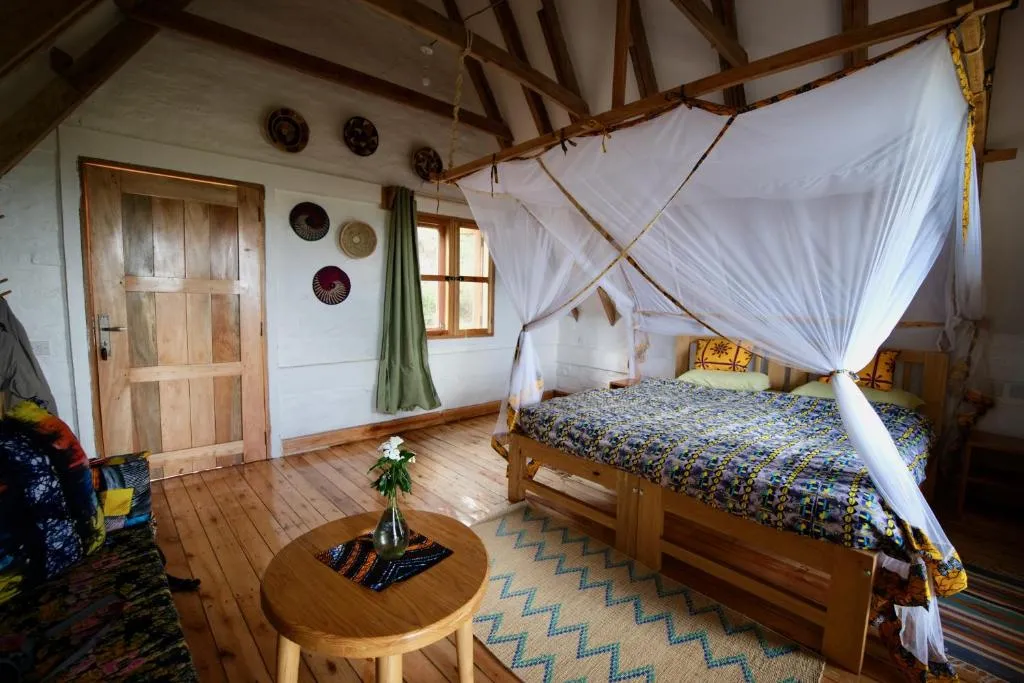
Budget accommodation around Lake Mburo provides affordable and comfortable options for travellers exploring the park and its surrounding countryside.
Budget travelers can also enjoy a rewarding Lake Mburo Safari without staying in expensive safari lodges. Simpler camps, guesthouses and budget-friendly properties around the national park provide practical accommodation for visitors who want to concentrate their spending on wildlife activities. Rooms may be less elaborate than those at premium lodges, but a well-selected budget property can still provide comfortable sleeping arrangements, meals and convenient access to the park.
Budget accommodation is particularly suitable for students, backpackers, groups and travelers undertaking longer East African journeys where accommodation expenses need to be controlled across several destinations. Saving money at Lake Mburo can make it easier to allocate funds toward other major experiences, including mountain gorilla trekking and Uganda and Rwanda primate trekking.
Accommodation Inside vs Outside Lake Mburo National Park
One important consideration when choosing where to stay on a Lake Mburo Safari is whether the accommodation is situated within, immediately adjacent to or farther outside the protected area. Properties closer to wildlife zones can provide a stronger wilderness atmosphere and may reduce travel time before game drives. Lodges outside the park can sometimes offer different price levels, community interactions and easier connections with the main highway.
Neither option is automatically better for every traveler. A photographer who wants to maximize wildlife-viewing time may place greater value on proximity, while someone using Lake Mburo primarily as a stop between Kampala and Bwindi may prioritize convenience along the onward route. The best Lake Mburo Safari lodge should therefore be selected according to the complete itinerary rather than accommodation price alone.
Best Lake Mburo Accommodation for Couples
Lake Mburo National Park can be particularly attractive for couples because its relatively relaxed atmosphere provides opportunities to combine wildlife viewing with scenic accommodation and quieter moments around the lodge. Couples may prefer properties offering private cottages, safari tents, attractive views and comfortable spaces where they can relax after a game drive or boat safari.
A Lake Mburo Safari for couples can also form part of a longer private journey through Uganda. After experiencing savannah wildlife, travelers can continue toward Bwindi or explore other scenic destinations, including the crater lakes of western Uganda, creating a journey combining wildlife with dramatic landscapes.
Best Lake Mburo Accommodation for Families
Families planning a Lake Mburo Safari should prioritize accommodation offering sufficient space, flexible meal arrangements and convenient access to appropriate activities. Depending on the age of children, family rooms or cottages can be considerably more practical than separate accommodation units. Parents should also confirm any property-specific or activity-specific age requirements when designing the safari.
Lake Mburo’s relatively compact size can make it appealing for family safaris because wildlife drives do not always require the exceptionally long distances associated with much larger protected areas. Zebras, giraffes, impalas, warthogs and buffaloes can provide exciting wildlife encounters, while the variety of landscapes helps maintain interest throughout the journey.
Best Accommodation for Wildlife Photographers
Wildlife photographers should consider location carefully when choosing Lake Mburo Safari accommodation. Staying conveniently positioned near productive wildlife areas can increase flexibility and help photographers take advantage of changing light conditions. Rather than spending valuable photography periods traveling long distances between accommodation and the park, visitors can focus more time on the savannah.
Lake Mburo offers excellent photographic contrasts, ranging from zebras against open grasslands to giraffes among acacia woodland and hippos around the lake. Photographers who continue toward forest destinations can add further diversity by exploring places such as Kibale’s forest landscapes later in the journey.
How Many Nights Should You Stay in Lake Mburo?
One night can be enough for travelers using Lake Mburo as a short stop within a longer Uganda safari, but two nights can provide a considerably more relaxed experience. Staying longer makes it easier to combine game drives with a boat safari, walking experience, birdwatching or photography without attempting to fit every activity into a limited schedule.
Travelers arriving from Kampala and continuing toward Bwindi may choose one night if their itinerary is relatively tight. Visitors who want Lake Mburo National Park to be a major destination rather than a transit stop should consider additional time. A longer stay also provides more opportunities for wildlife encounters because no safari can guarantee exactly what animals will be seen during a single drive.
Lake Mburo Accommodation and Gorilla Trekking Safaris
Lake Mburo Safari lodges are particularly useful when building an itinerary that continues toward Bwindi Impenetrable National Park. Instead of traveling directly from central Uganda to Bwindi in one continuous journey, travelers can break the route with an overnight stay around Lake Mburo, enjoy savannah wildlife and then continue toward the gorilla trekking regions.
This creates one of Uganda’s most attractive safari combinations because travelers experience two completely different ecosystems within a relatively short part of the country. The journey can later be extended into Rwanda or toward other western Uganda destinations. Travelers planning such a route can explore a Bwindi and Rwanda safari while incorporating Lake Mburo as an additional wildlife stop.
How to Choose the Best Lake Mburo Safari Lodge
The best Lake Mburo accommodation depends on budget, group size, travel style, planned activities and the direction of the wider Uganda safari. Luxury travelers may prioritize privacy, scenery and personalized service, while mid-range visitors often seek the strongest balance between price and comfort. Budget travelers may prefer simple accommodation that allows them to spend more money on actual wildlife experiences.
Travelers should also check what is included in the accommodation rate. Meal plans, activity arrangements, transport connections and room categories can vary significantly between properties. Comparing the complete experience rather than simply choosing the lowest nightly price helps prevent unexpected expenses and creates a smoother Lake Mburo Safari.
Booking Lake Mburo Safari Accommodation
Booking accommodation in advance is particularly important during popular Uganda travel periods because the Lake Mburo area has a more limited number of safari properties than some large tourism destinations. Reserving early can provide a better selection of room categories and make it easier to coordinate accommodation with game drives, boat safaris and onward transportation.
Ultimately, the best place to stay during a Lake Mburo Safari is the property that fits naturally into the traveler’s itinerary while providing the desired balance of comfort, location and price. Whether visitors select luxury, mid-range or budget Lake Mburo accommodation, choosing carefully can significantly improve the safari. A well-positioned lodge provides somewhere comfortable to relax while keeping travelers close to the zebras, giraffes, impalas, buffaloes, hippos, birds and spectacular savannah landscapes that make Lake Mburo National Park such a rewarding Uganda safari destination.
How to Get to Lake Mburo National Park from Kampala, Entebbe, Bwindi and Queen Elizabeth
Lake Mburo National Park is one of the easiest savannah destinations to include in a western Uganda safari because of its strategic location between Kampala and the country’s major southwestern tourism areas. Most travelers reach the park by road, and this makes a Lake Mburo Safari especially convenient for itineraries that continue toward Bwindi Impenetrable National Park, Queen Elizabeth National Park, Kibale National Park or Rwanda. Travelers planning a wider Lake Mburo National Park safari should consider both distance and the direction of their wider itinerary when deciding the best route.
The park lies close to the Kampala–Mbarara highway, which is one of Uganda’s most important tourism corridors. This road connection means visitors do not need to make an extensive detour to experience Lake Mburo. Instead, the national park can be included naturally as either the first major safari stop after Kampala or Entebbe, or the final wildlife destination before returning to central Uganda. Travelers comparing different Uganda safari routes will often find Lake Mburo especially useful because of this accessibility.
Getting to Lake Mburo from Entebbe
Travelers arriving through Entebbe International Airport can also reach Lake Mburo National Park by road. The journey normally involves traveling around or through the greater Kampala area before joining the main road toward southwestern Uganda. Depending on traffic and the point of departure, travel time can vary considerably, so visitors should avoid planning an overly tight schedule immediately after a long international flight.
For many travelers, spending a night in Entebbe or Kampala before beginning the road journey can make the safari more comfortable. The following day, visitors can continue toward Lake Mburo and begin their wildlife experience. Those planning a longer trip can then move onward toward Bwindi Impenetrable National Park, Queen Elizabeth National Park or Kibale.
Kampala to Lake Mburo Safari Route
The Kampala to Lake Mburo route passes through changing landscapes that gradually shift from urban environments to farmland, rolling hills and cattle-grazing country. This makes the journey itself part of the safari experience. Travelers may stop along the way for refreshments, photography or short cultural experiences, depending on the itinerary and available time.
Because Lake Mburo lies close to the main southwestern route, it is often used as a convenient stop before continuing farther into western Uganda. A traveler can therefore combine Lake Mburo with a chimpanzee and gorilla safari without creating major logistical complications.
Getting to Lake Mburo from Bwindi Impenetrable National Park
Lake Mburo can be reached from Bwindi by road, making the two destinations one of the most practical combinations in southwestern Uganda. The exact route depends on the gorilla trekking sector used in Bwindi and the condition of the roads at the time of travel. Visitors coming from Buhoma, Ruhija, Rushaga or Nkuringo can travel toward the Mbarara region before turning toward Lake Mburo.
This route is especially popular for travelers who want to combine mountain gorilla trekking with savannah wildlife. After walking through dense rainforest in search of gorillas, visitors can move into the open landscapes of Lake Mburo to see zebras, giraffes, impalas, buffaloes and other species. A carefully planned Bwindi primate trekking itinerary can therefore include Lake Mburo as a natural extension.
Lake Mburo to Bwindi Safari Route
Traveling from Lake Mburo to Bwindi works equally well in the opposite direction. Visitors can begin their Uganda safari with game drives, walking activities or a boat safari in Lake Mburo and then continue south or southwest toward the gorilla trekking regions. This creates a gradual transition from open savannah to increasingly mountainous and forested landscapes.
The route can also include Lake Bunyonyi, depending on the itinerary. Travelers interested in combining these destinations can explore a Lake Mburo, Bwindi and Lake Bunyonyi safari, which brings together savannah wildlife, gorilla trekking and scenic lake landscapes.
Getting to Lake Mburo from Queen Elizabeth National Park
Lake Mburo National Park can also be reached by road from Queen Elizabeth National Park. This route allows travelers to combine two very different savannah environments within one western Uganda safari. Queen Elizabeth National Park is known for its larger scale, broader predator diversity and famous water-based experiences, while Lake Mburo offers a more compact landscape with strong zebra, impala and giraffe viewing opportunities.
Travelers moving between these destinations usually pass through parts of western Uganda before joining the road toward Mbarara and Lake Mburo. The journey can form part of a longer Uganda wildlife safari that also includes Kibale and Bwindi.
Getting to Lake Mburo from Kibale National Park
Lake Mburo can also be connected by road with Kibale National Park, although this route is usually incorporated into a wider western Uganda circuit rather than treated as a direct short transfer. Travelers may pass through other parts of western Uganda before reaching the Mbarara region and continuing toward Lake Mburo.
This route is ideal for visitors combining savannah wildlife with primate experiences. Kibale is famous for chimpanzees and forest biodiversity, while Lake Mburo provides open grasslands and species such as zebras and impalas. Travelers interested in forest-based activities can add guided forest walks in Kibale before continuing toward Lake Mburo.
Getting to Lake Mburo from Rwanda
Lake Mburo National Park can also be included in Uganda and Rwanda combination safaris. Travelers entering Uganda from Rwanda can travel through southwestern border routes before continuing toward Kabale, Mbarara and Lake Mburo. The exact route depends on the border crossing, road conditions and other destinations included in the itinerary.
This makes Lake Mburo a useful destination for multi-country safaris because it can provide a savannah wildlife experience before or after primate trekking in Uganda and Rwanda. Travelers planning a Uganda and Rwanda primate safari can include Lake Mburo to add zebras, giraffes, antelopes and lake-based wildlife to the journey.
Can You Fly to Lake Mburo National Park?
Road transport remains the most common and practical way to reach Lake Mburo National Park, especially because the park lies relatively close to the main tourism route from Kampala. Private or charter aviation options may sometimes be arranged depending on the wider itinerary, but most visitors still complete at least part of the journey by road.
For many travelers, flying specifically to Lake Mburo is not necessary because the road journey is manageable and provides flexibility for stops and onward travel. Flying becomes more relevant when Lake Mburo is one element of a luxury itinerary involving distant destinations where road transfers would otherwise consume several travel days.
Self-Drive Safari to Lake Mburo National Park
Independent travelers may also consider a self-drive Lake Mburo Safari. The park’s convenient position makes it one of the more accessible national parks for experienced visitors comfortable driving in Uganda. However, travelers should understand local road conditions, park regulations, fuel planning, navigation and vehicle requirements before attempting a self-drive journey.
A suitable 4×4 vehicle can provide greater flexibility, particularly during wetter periods when some tracks may become more difficult. Visitors should also avoid relying exclusively on online maps for navigation inside wildlife areas. Local guidance and current park information can significantly improve both safety and the overall wildlife experience.
Private Guided Transfer to Lake Mburo
For many international travelers, a private guided safari vehicle is the easiest way to reach Lake Mburo National Park. A professional driver-guide handles navigation, road conditions and park logistics while also providing information about wildlife, landscapes and local communities along the route. This allows visitors to concentrate on the experience rather than managing transport details.
Private transport is especially useful when Lake Mburo forms part of a multi-destination itinerary. The same safari vehicle can continue toward Bwindi, Queen Elizabeth, Kibale or other destinations, reducing the need to arrange separate transfers for every stage of the journey.
Best Route for a Lake Mburo and Gorilla Trekking Safari
One of the most efficient safari routes begins in Kampala or Entebbe, continues to Lake Mburo National Park and then heads toward Bwindi Impenetrable National Park. This allows travelers to begin with relatively easy savannah wildlife viewing before moving into the more physically demanding gorilla trekking experience.
After gorilla trekking, travelers can continue toward Lake Bunyonyi, Queen Elizabeth or Rwanda depending on the length of the safari. This routing makes excellent geographical sense and reduces unnecessary backtracking, which is why Lake Mburo is often included in southwestern Uganda itineraries.
Travel Tips for Getting to Lake Mburo National Park
Travelers should allow flexibility when planning road journeys to Lake Mburo because traffic, weather and roadworks can affect travel times. It is better to treat driving durations as estimates rather than guaranteed schedules. Carrying drinking water, keeping cameras and important travel documents accessible and wearing comfortable clothing can make longer transfers more enjoyable.
The easiest way to reach Lake Mburo ultimately depends on where the traveler begins and where the safari continues afterward. From Kampala and Entebbe, the park is one of Uganda’s most convenient savannah destinations. From Bwindi, Queen Elizabeth or Kibale, Lake Mburo fits naturally into a western Uganda circuit. This strategic position is one of the main reasons a Lake Mburo Safari works so well as both a standalone wildlife trip and an important component of a longer Uganda adventure.
Best Lake Mburo Safari Itineraries
Choosing the right Lake Mburo Safari itinerary depends on how much time a traveler has, the activities they want to experience and whether Lake Mburo National Park is being visited as a standalone destination or as part of a longer Uganda safari. Some visitors only have enough time for a short wildlife excursion, while others prefer to spend two or three days exploring the park more slowly. A carefully planned Lake Mburo National Park safari can include game drives, boat experiences, walking activities, birdwatching and scenic relaxation without requiring an exceptionally long holiday.
The strongest Lake Mburo Safari itineraries are designed around realistic travel times and the interests of the traveler. A one-day trip is best for visitors with a very limited schedule, a two-day safari provides a more comfortable balance, and a three-day Lake Mburo Safari allows greater variety and less rushing. Travelers building a wider Uganda safari itinerary can also use Lake Mburo as the first or final wildlife destination on a journey through western and southwestern Uganda.
1-Day Lake Mburo Safari from Kampala
A 1-day Lake Mburo Safari is suitable for travelers who want to experience Uganda’s savannah wildlife but have very limited time. The journey usually begins from Kampala or another convenient point along the southwestern route and continues toward Lake Mburo National Park. Because road travel takes several hours, the safari needs to be carefully organized so that enough time remains for meaningful wildlife viewing inside the park.
The main activity on a 1-day Lake Mburo Safari is usually a game drive through selected wildlife areas. Visitors can search for zebras, impalas, giraffes, buffaloes, elands, topis, waterbucks and warthogs while enjoying Lake Mburo’s rolling savannah and acacia woodland. Travelers who later have more time for a longer journey can combine this type of wildlife experience with Bwindi gorilla trekking during a future southwestern Uganda safari.
What to Expect on a 1-Day Lake Mburo Safari
A one-day itinerary normally places greater emphasis on game viewing than on trying to include every activity available in the park. Attempting to combine a long road journey, game drive, boat safari, walking activity and return transfer in the same day can make the experience unnecessarily rushed. It is usually better to select one primary wildlife activity and allow enough time to enjoy it properly.
The advantage of a 1-day Lake Mburo Safari is that it provides a genuine savannah wildlife experience without requiring several nights away. The disadvantage is that travelers have less flexibility if wildlife sightings are slow or road conditions cause delays. Visitors who can extend the trip should therefore consider a two-day itinerary for a more relaxed experience.
2-Day Lake Mburo Safari from Kampala or Entebbe
A 2-day Lake Mburo Safari is one of the most practical options for travelers who want a short but rewarding wildlife experience. The additional overnight stay removes much of the pressure associated with a same-day return journey and creates enough time to combine more than one activity. Visitors can travel from Kampala or Entebbe, enter Lake Mburo National Park and begin exploring the savannah before spending the night at a lodge or camp near the park.
The second day can include another wildlife activity before continuing to Kampala or the next safari destination. This structure works especially well for travelers who want to combine Lake Mburo with southwestern Uganda. A route featuring Lake Mburo and Bwindi can begin with a two-day Lake Mburo experience before continuing toward the gorilla trekking regions.
Suggested 2-Day Lake Mburo Safari Experience
On the first day, travelers can drive from Kampala or Entebbe toward Lake Mburo National Park, enter the protected area and enjoy an afternoon game drive or another selected activity depending on arrival conditions. The open landscapes provide opportunities to search for zebras, giraffes, impalas, buffaloes and other wildlife before reaching the accommodation for dinner and an overnight stay.
The following day can include an early wildlife activity, a boat safari or a guided nature experience before departure. This gives travelers two different perspectives of the park without making the itinerary feel excessively busy. Those continuing west can use Lake Mburo as a natural starting point for a longer chimpanzee and gorilla safari.
3-Day Lake Mburo Safari
A 3-day Lake Mburo Safari is ideal for visitors who want to experience the park as a destination in its own right rather than as a quick stop along the highway. With two nights around Lake Mburo, travelers gain greater flexibility to combine game drives, a boat safari, walking activities, birdwatching, photography and time to relax at the lodge.
The additional time can also improve wildlife viewing because visitors are not dependent on a single game drive. Different animals may be active in different areas and under different weather conditions, so spending several days increases the opportunity to explore more habitats. Travelers interested in a slower-paced private Uganda safari may find a three-day Lake Mburo itinerary especially rewarding.
Suggested 3-Day Lake Mburo Safari Experience
The first day can focus on the road journey to Lake Mburo National Park and an introductory wildlife activity after arrival. Depending on the schedule, visitors may enjoy a game drive through open savannah areas before settling into their accommodation. This first experience gives travelers an initial impression of the park without trying to cover too much ground immediately.
The second day can be dedicated to a fuller exploration of Lake Mburo. Travelers may combine a game drive with a boat safari, guided walking experience or birdwatching activity. The final day can include another short wildlife experience before departure toward Kampala or a different Uganda safari destination. This flexible structure allows each activity to receive enough time and makes the entire Lake Mburo Safari feel more relaxed.
Lake Mburo Safari Combined with Bwindi Gorilla Trekking
One of the most rewarding ways to use a Lake Mburo Safari itinerary is to combine the park with Bwindi Impenetrable National Park. Lake Mburo provides the savannah component of the journey, while Bwindi introduces travelers to dense mountain forest and the opportunity to trek for mountain gorillas. The contrast between the two destinations creates an exceptionally diverse safari.
Travelers can begin in Kampala or Entebbe, spend one or two nights at Lake Mburo and then continue toward Bwindi. Alternatively, Lake Mburo can be visited after gorilla trekking on the return journey toward central Uganda. A broader Bwindi primate safari can therefore be strengthened by adding Lake Mburo wildlife viewing.
Lake Mburo, Bwindi and Lake Bunyonyi Safari
Another excellent itinerary combines Lake Mburo National Park with Bwindi Impenetrable National Park and Lake Bunyonyi. This route introduces three very different environments within southwestern Uganda: open savannah, tropical mountain forest and scenic highland lake landscapes. It works particularly well for travelers who want both wildlife adventure and opportunities to relax between demanding activities.
Lake Mburo can provide zebras, impalas and giraffes, Bwindi offers mountain gorilla trekking, and Lake Bunyonyi provides a calmer landscape where travelers can unwind. Visitors researching this combination can explore a Lake Mburo, Bwindi and Lake Bunyonyi itinerary as the foundation for a longer southwestern Uganda safari.
Lake Mburo and Queen Elizabeth National Park Safari
Travelers who prefer a wildlife-focused itinerary can combine Lake Mburo with Queen Elizabeth National Park. The two protected areas provide different savannah experiences and wildlife opportunities. Lake Mburo is particularly known for zebras, impalas and its compact landscape, while Queen Elizabeth introduces a larger ecosystem with elephants, lions, extensive savannah and major aquatic habitats.
Combining both parks creates greater wildlife diversity than visiting either destination alone. The route can then continue toward Kibale National Park for primate experiences, producing a broader western Uganda circuit. Travelers can also explore the Kibale crater lakes as an additional scenic extension.
Lake Mburo, Queen Elizabeth and Kibale Safari
A longer itinerary connecting Lake Mburo, Queen Elizabeth and Kibale is ideal for travelers who want to combine savannah wildlife with chimpanzee experiences. Lake Mburo introduces zebras, giraffes and antelopes, Queen Elizabeth adds larger wildlife diversity, and Kibale provides tropical forest landscapes and primate encounters.
This route can also include community and nature-based attractions around Kibale. Travelers interested in exploring forest environments beyond chimpanzee trekking can include guided forest walks in Kibale, creating a safari that moves gradually from open savannah into dense tropical forest.
Lake Mburo Safari Combined with Uganda and Rwanda
Lake Mburo can also be included in a cross-border Uganda and Rwanda safari. Travelers may begin in Uganda, explore Lake Mburo and Bwindi, and then continue into Rwanda for additional primate, cultural or scenic experiences. The journey can also operate in the opposite direction, with travelers entering Uganda from Rwanda before continuing toward Lake Mburo and Kampala.
A multi-country itinerary is particularly appealing to travelers who want to maximize the diversity of one East African journey. Combining Lake Mburo wildlife with a Uganda and Rwanda primate safari allows visitors to experience open savannah, mountain forests and different cultural landscapes within the same holiday.
Which Lake Mburo Safari Itinerary Is Best?
The best Lake Mburo Safari itinerary depends on available time and travel priorities. A one-day Lake Mburo Safari is suitable for visitors with a very limited schedule who mainly want a short introduction to Uganda’s savannah wildlife. A two-day Lake Mburo Safari is generally more comfortable because it includes an overnight stay and gives visitors enough time to combine at least two meaningful experiences.
A three-day Lake Mburo Safari is the strongest option for travelers who want deeper exploration, photography, birdwatching and several different activities without rushing. Travelers building a longer Uganda itinerary can also use Lake Mburo as the beginning or end of a wider safari through Bwindi, Queen Elizabeth, Kibale and Rwanda.
How Many Days Do You Need in Lake Mburo National Park?
For most travelers, two days provide a good introduction to Lake Mburo National Park. This allows enough time for a game drive and an additional activity while keeping the overall safari relatively short. Travelers particularly interested in wildlife photography, birding, walking experiences or a slower safari pace may prefer three days.
One day can still be worthwhile when time is limited, but visitors should understand that road travel will consume a significant portion of the itinerary. The ideal Lake Mburo Safari therefore balances travel time with actual wildlife experiences. Choosing the right duration makes it easier to enjoy the park’s zebras, impalas, giraffes, buffaloes, hippos, birds and landscapes rather than simply passing through the destination.
Planning the Perfect Lake Mburo Safari: Practical Travel Tips, FAQs and Booking Advice
Planning a successful Lake Mburo Safari involves more than choosing accommodation and arranging a game drive. Travelers should think about the length of the trip, the season, transportation, activities, clothing, photography equipment, health preparation and how Lake Mburo fits into the wider Uganda safari itinerary. Because the park is relatively accessible and compact, it works well for both first-time visitors and experienced safari travelers. Anyone preparing a Lake Mburo National Park safari should aim for a balanced itinerary that allows enough time for wildlife viewing without making the journey feel rushed.
Lake Mburo is particularly suitable for travelers who want variety. A single safari can combine game drives, a boat excursion, guided walking experiences, birdwatching and photography before continuing toward other parts of western Uganda. Travelers researching a wider Uganda safari holiday should therefore consider Lake Mburo as part of a complete route rather than viewing it only as a separate destination.
How Long Should You Spend on a Lake Mburo Safari?
The ideal amount of time depends on the traveler’s schedule and interests. A one-day Lake Mburo Safari can work for visitors with limited time, but much of the day may be used for road travel. A two-day safari generally offers a better balance because travelers can spend one night near the park and combine a game drive with another activity.
A three-day Lake Mburo Safari is more suitable for wildlife photographers, birdwatchers and travelers who prefer a slower pace. It provides enough time to explore different sections of the park and experience several activities. Visitors combining Lake Mburo with Bwindi and Lake Bunyonyi may choose one or two nights before continuing farther southwest.
What Should You Pack for a Lake Mburo Safari?
Packing for a Lake Mburo Safari should focus on comfort, sun protection and practical wildlife viewing. Lightweight clothing in neutral colors is useful during game drives, while a light jacket can be helpful during cooler early morning or evening conditions. Comfortable closed shoes are especially important for visitors planning walking activities, and a hat and sunscreen can help protect against strong daytime sunshine.
Travelers should also carry binoculars if they are interested in birdwatching or spotting distant wildlife. A camera with sufficient storage, spare batteries or a power bank can be valuable for photography. Visitors continuing into forest regions should prepare for different conditions, especially if their itinerary includes Bwindi gorilla trekking.
What Camera Equipment Is Best for Lake Mburo?
Lake Mburo National Park provides excellent photography opportunities because of its combination of open landscapes and accessible wildlife. A camera with a moderate or longer zoom lens can be useful for photographing zebras, giraffes, buffaloes, antelopes and birds without approaching animals too closely. A wider lens can also be valuable for capturing savannah landscapes, acacia trees and the scenery around the lake.
Photographers should protect equipment from dust and occasional rain, especially during longer game drives. Extra memory cards and fully charged batteries are also important because wildlife encounters can occur unexpectedly. Travelers continuing toward western Uganda can add completely different photographic environments around the Kibale crater lakes.
Is Lake Mburo National Park Safe to Visit?
Lake Mburo National Park is a managed protected area where visitors should follow the instructions of park authorities, professional guides and lodge staff. Wildlife should always be treated as wild and unpredictable, even when animals appear calm. Visitors should remain inside the vehicle during game drives unless they are participating in an officially guided activity where walking is permitted.
Travelers should never attempt to approach, feed or disturb wildlife for photographs. During guided walks, the instructions of the ranger or guide should be followed carefully. The same approach applies throughout a wider Uganda wildlife safari, where responsible behavior helps protect both travelers and animals.
Can You Walk in Lake Mburo National Park?
Yes, guided walking experiences are among the features that make a Lake Mburo Safari different from many traditional vehicle-based safaris. Walking is conducted in designated areas under the guidance of trained personnel and should never be attempted independently in wildlife areas. The experience allows visitors to focus on tracks, vegetation, birds and smaller ecological details that can be difficult to appreciate from inside a vehicle.
Travelers who enjoy exploring nature on foot can combine Lake Mburo with other walking experiences in Uganda. Forest destinations provide a very different setting, and activities such as guided forest walks in Kibale complement Lake Mburo’s open savannah environment.
Can You See Zebras in Lake Mburo National Park?
Zebras are one of the signature animals associated with Lake Mburo National Park and are among the main reasons travelers include the destination in a Uganda wildlife itinerary. Visitors may encounter groups of plains zebras grazing in open areas or moving through grasslands alongside other herbivores. Their distinctive appearance makes them especially popular with first-time safari visitors and photographers.
Lake Mburo’s zebra populations also help differentiate the park from several other Uganda safari destinations. Travelers interested in experiencing a wider range of animals can combine the park with a western Uganda wildlife safari involving forests and larger savannah ecosystems.
Are There Giraffes in Lake Mburo National Park?
Giraffes are another impressive species that visitors may encounter during a Lake Mburo Safari. Their height makes them particularly noticeable when moving through acacia woodland or crossing open areas. Giraffes often provide excellent photography opportunities because they can be seen against wide savannah landscapes and scattered trees.
Sightings vary depending on wildlife movements and the area being explored, so visitors should avoid expecting every species to appear immediately. A knowledgeable safari guide can help identify productive wildlife areas and interpret animal behavior during the game drive.
Are There Lions in Lake Mburo National Park?
Lake Mburo is not primarily promoted as a lion-focused safari destination. Travelers whose main priority is seeing lions generally combine Lake Mburo with larger savannah parks such as Queen Elizabeth National Park or Murchison Falls National Park. Lake Mburo’s strongest wildlife identity is instead built around zebras, impalas, giraffes, elands, buffaloes, hippos, birds and other species associated with its grassland and wetland ecosystems.
This difference is actually one of the reasons Lake Mburo works so well in a multi-park Uganda itinerary. Visitors can experience the park’s distinctive wildlife before continuing toward destinations with different predator and large-mammal populations.
Can You See Leopards in Lake Mburo?
Leopards occur within the Lake Mburo ecosystem, but sightings cannot be guaranteed because these cats are naturally secretive and often difficult to detect. Their ability to remain concealed within vegetation means encountering one is generally considered a special wildlife experience rather than something every visitor should expect.
Travelers interested in predators should keep expectations realistic and enjoy the complete ecosystem rather than judging the success of a Lake Mburo Safari according to a single animal sighting. The park’s zebras, giraffes, antelopes, buffaloes, hippos and diverse birdlife provide rewarding wildlife viewing even when elusive predators remain hidden.
Is Lake Mburo Good for Birdwatching?
Lake Mburo National Park is an excellent addition to a Uganda birding itinerary because of its mixture of lakes, wetlands, grasslands and woodland. Different habitats support different groups of birds, allowing travelers to record a wide variety of species without traveling huge distances within the park.
The boat safari can be especially useful for observing water-associated birds, while game drives and walking activities reveal species associated with open and wooded habitats. Serious birdwatchers can combine Lake Mburo with Mabamba Bay birding and forest destinations elsewhere in Uganda.
Is Lake Mburo Suitable for Families?
Lake Mburo can be a good family safari destination because of its relatively compact landscape and variety of activities. Children who are interested in wildlife may particularly enjoy seeing zebras, giraffes, warthogs and other easily recognizable animals. Families should, however, confirm age restrictions for specific activities because some experiences may have minimum-age requirements.
Parents should also choose accommodation with suitable family arrangements and avoid overly long schedules. A shorter game drive followed by time at the lodge can sometimes be more enjoyable for younger travelers than attempting to cover every part of the park in one day.
Can Lake Mburo Be Combined with Gorilla Trekking?
Yes. Combining Lake Mburo with Bwindi is one of the most practical safari combinations in southwestern Uganda. Travelers can begin with savannah wildlife before continuing toward the mountain forests for gorilla trekking, or visit Lake Mburo after the gorilla experience while returning toward Kampala.
This routing allows visitors to experience dramatically different ecosystems within the same trip. Travelers interested in extending the route further can combine Lake Mburo and Bwindi with a Uganda and Rwanda primate safari.
Should You Book a Private or Group Lake Mburo Safari?
Private Lake Mburo Safaris offer greater flexibility because travelers can adjust the pace according to wildlife sightings, photography interests and personal preferences. Private transport is particularly useful when Lake Mburo forms part of a longer multi-destination itinerary because the same vehicle and guide can continue toward other parts of Uganda.
Group safaris can reduce the per-person cost by sharing transportation and guiding expenses. They may be suitable for budget-conscious travelers who are comfortable following a fixed itinerary. The best choice depends on budget, group size and the amount of flexibility required.
How Far in Advance Should You Book a Lake Mburo Safari?
Booking ahead is advisable when traveling during popular Uganda safari periods, particularly if specific lodges or room categories are important. Lake Mburo has several accommodation options, but availability can become limited during busy travel periods. Early planning also makes it easier to coordinate Lake Mburo with gorilla trekking permits and accommodation in other national parks.
Travelers planning a longer primate safari should organize the most limited components first. Experiences involving permits or highly demanded lodges can determine the overall itinerary, while the Lake Mburo section can then be arranged around those dates.
How to Choose a Reliable Lake Mburo Safari Operator
A reliable safari operator should provide a clear itinerary explaining transportation, accommodation, meals, park fees and activities. Travelers should understand exactly what is included and excluded before making payment. The operator should also be able to explain realistic travel times, accommodation choices and how Lake Mburo connects with the rest of the Uganda safari route.
Price alone should not determine the decision. Extremely low quotations may exclude important services or involve compromises that are not immediately obvious. Travelers should compare the complete package and choose a safari that provides appropriate transport, knowledgeable guiding and enough time to experience Lake Mburo properly.
Is Lake Mburo Worth Visiting?
Lake Mburo National Park is worth visiting for travelers who appreciate diverse wildlife, accessible savannah landscapes and activities beyond conventional game drives. The opportunity to see zebras, impalas, giraffes, buffaloes, hippos and numerous birds within a compact ecosystem makes the park especially appealing as either a short safari destination or a stop within a longer Uganda itinerary.
Its greatest strength is how easily it complements other destinations. Lake Mburo can be combined with Bwindi for gorillas, Queen Elizabeth for additional savannah wildlife, Kibale for chimpanzees or Rwanda for a cross-border safari. This geographical flexibility makes a Lake Mburo Safari one of the easiest ways to add another ecosystem and another collection of wildlife experiences to a Uganda holiday.
Final Lake Mburo Safari Planning Advice
The best Lake Mburo Safari is one that matches the traveler’s interests instead of trying to include every possible activity. Wildlife enthusiasts may prioritize game drives, birders may spend more time exploring different habitats, photographers may prefer several wildlife sessions under changing light, while active travelers may choose guided walking or cycling experiences where available.
With thoughtful planning, Lake Mburo National Park can become much more than a convenient stop between Kampala and southwestern Uganda. Its zebras, giraffes, impalas, buffaloes, hippos, birdlife, rolling savannah and varied activities create a distinctive safari experience. Whether visited for one day, two days or several nights, a Lake Mburo Safari can add exceptional variety to a Uganda journey and provide an ideal connection between the country’s famous primate forests and its beautiful savannah landscapes.
Conclusion: Book Your Lake Mburo Safari with Safari Vacations and Travel Services Ltd
A Lake Mburo Safari is one of the best ways to experience Uganda’s remarkable savannah landscapes, diverse wildlife and exciting outdoor activities within a destination that is easy to combine with other major attractions. From zebras, giraffes, impalas, buffaloes and hippos to scenic game drives, boat safaris, guided walking experiences and exceptional birdwatching, Lake Mburo National Park offers something for wildlife lovers, photographers, couples, families and first-time visitors to Uganda.
Whether you are planning a short Lake Mburo Safari from Kampala, a two-day wildlife escape, a three-day Lake Mburo National Park adventure or a longer Uganda safari combining Bwindi, Queen Elizabeth National Park, Kibale and Lake Bunyonyi, careful planning can make the journey more comfortable and rewarding. Safari Vacations and Travel Services Ltd can help you design a personalized itinerary that matches your travel dates, interests, preferred accommodation category and overall safari budget.
Why Travel with Safari Vacations and Travel Services Ltd?
Safari Vacations and Travel Services Ltd specializes in creating carefully planned Uganda and Rwanda safari experiences that combine wildlife, primates, landscapes and cultural encounters. Our Lake Mburo Safari itineraries can be customized for private travelers, couples, families, groups and photographers, with accommodation ranging from comfortable budget options to mid-range and luxury safari lodges.
Our team can coordinate your transportation, accommodation, park arrangements, game drives, boat safaris and onward travel so that Lake Mburo fits naturally into your wider Uganda safari. If your journey continues toward Bwindi for gorilla trekking, Queen Elizabeth National Park for additional wildlife viewing, Kibale for chimpanzee trekking or Rwanda for another primate adventure, we can organize the complete route as one seamless safari experience.
Start Planning Your Lake Mburo Safari Today
Do not treat Lake Mburo National Park as simply a stop on the road to southwestern Uganda. Give yourself enough time to experience its zebras, giraffes, antelopes, buffaloes, hippos, birdlife, beautiful savannah scenery and range of exciting safari activities. A professionally planned Lake Mburo Safari can become one of the most memorable parts of your Uganda holiday.
Contact Safari Vacations and Travel Services Ltd today and let us create a Lake Mburo Safari designed around your interests, travel schedule and budget. Whether you want a short wildlife tour or a complete Uganda safari combining Lake Mburo with gorilla trekking, chimpanzee trekking and other national parks, our team is ready to help you turn your African safari plans into an unforgettable journey.