
How Fit Do You Need to Be for Gorilla Trekking?
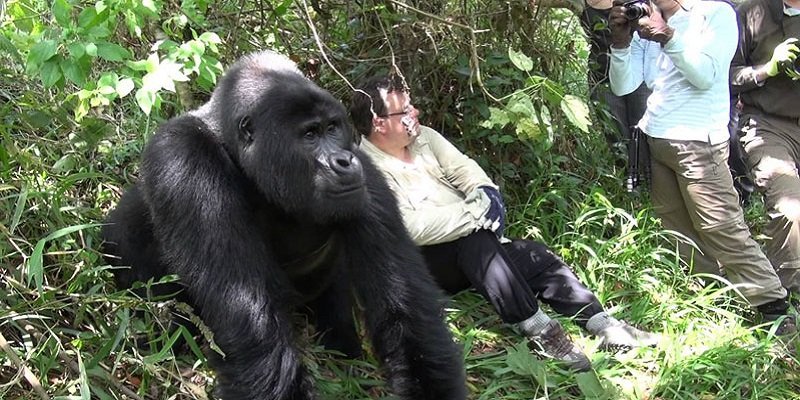
Fitness requirements for gorilla trekking
Gorilla trekking is a unique wildlife adventure that takes visitors deep into tropical forests, often involving hiking through steep slopes, uneven terrain, muddy trails, and high-altitude environments. Understanding your fitness level before the journey is an important part of successful preparation. This Gorilla Trekking Fitness Guide explains the physical ability required, the recommended preparation level, and how you can improve your body before your trek.
Many travelers ask, “How fit do you need to be for gorilla trekking?” The answer depends on several factors, including the location of the trek, the movement of the gorilla family, weather conditions, and your personal endurance. You do not need to be a professional athlete, but having a reasonable level of fitness will make the experience more enjoyable and comfortable.
Gorilla trekking requires a moderate level of physical fitness because visitors may spend several hours walking through dense forests while searching for mountain gorillas. Uganda gorilla trekking experiences can involve challenging terrain, while different trekking groups may require different levels of physical effort depending on where the gorillas are located.
Understanding the Fitness Level Required for Gorilla Trekking
The physical requirements for gorilla trekking are mainly related to endurance, strength, balance, and the ability to walk for extended periods. Most travelers who maintain an active lifestyle and regularly participate in walking, hiking, or other outdoor activities can prepare successfully for the experience.
A good fitness level helps you handle long walks, forest trails, steep sections, and changing weather conditions. Before traveling, many visitors improve their readiness by following a structured exercise routine that combines walking, cardio activities, and strength training.
You can also learn more about the challenges involved in the adventure through our guide on Gorilla Trekking Difficulty, which explains how terrain, weather, and trekking duration can affect your experience.
Basic Fitness Abilities Recommended Before Gorilla Trekking
A person preparing for gorilla trekking should aim to develop several basic physical abilities. These include the ability to walk continuously, climb moderate hills, maintain balance on uneven ground, and recover after physical activity.
Walking ability is one of the most important parts of gorilla trekking fitness. Since gorillas move freely through the forest, trekkers cannot predict exactly how far they will travel before finding them. Some journeys may be shorter, while others may require several hours of hiking.
Leg strength is equally important because forest environments often involve climbing, descending, and moving through thick vegetation. Exercises that strengthen the legs and improve stability can make the trek much easier.
For additional preparation information, travelers can explore our detailed article about Gorilla Trekking Requirements, which explains important factors that influence a successful trekking experience.
Fitness Level for Beginner Gorilla Trekkers
Beginners can successfully complete gorilla trekking with proper preparation. Previous hiking experience is helpful but not mandatory. The most important factor is gradually building endurance before arriving at the destination.
A beginner preparing for gorilla trekking should focus on regular walking, increasing daily activity levels, and practicing uphill walking whenever possible. Simple activities such as climbing stairs, walking longer distances, and performing basic strength exercises can significantly improve physical readiness.
Starting preparation several weeks before your trip allows your body to adapt gradually. Sudden intense exercise shortly before the trek may increase tiredness instead of improving performance.
Fitness Considerations for Different Gorilla Trekking Destinations
The fitness demands of gorilla trekking can vary depending on the destination. Uganda’s Bwindi Impenetrable National Park is known for its rugged forest environment, where trekkers may encounter steep slopes and thick vegetation. Rwanda’s Volcanoes National Park also requires physical preparation because visitors trek through mountainous landscapes.
Your trekking experience can also depend on the assigned gorilla family. Some groups may be located closer to the starting point, while others may require longer walks. Park guides normally consider visitor ability when organizing trekking groups.
For travelers comparing destinations and fitness expectations, our resource about Uganda vs Rwanda Gorilla Trekking provides useful information about how trekking experiences differ between the two countries.
Can Older Travelers Do Gorilla Trekking?
Age alone does not determine whether someone can participate in gorilla trekking. Many older travelers complete gorilla trekking successfully when they prepare properly and choose suitable trekking options.
Older visitors should focus on improving endurance, maintaining mobility, and consulting a healthcare professional if they have concerns about physical activity. Choosing a trekking route that matches personal ability can also improve comfort during the adventure.
Support options such as porters can help carry equipment and provide assistance during challenging sections of the trail. Proper planning allows many travelers with different fitness backgrounds to enjoy the experience.
How to Measure Your Gorilla Trekking Fitness Level
Before your safari, you can evaluate your readiness by asking yourself several questions. Can you comfortably walk for several hours? Can you handle uphill movement? Can you carry a small backpack while walking? Can you recover after a physically demanding day?
If the answer is yes, you are likely developing the necessary foundation for gorilla trekking. If walking long distances feels difficult, begin training early by increasing your activity gradually.
Your preparation should also include learning what conditions you may experience during the actual trek. Our article about Uganda Gorilla Trekking Safaris provides more information about trekking environments and fitness considerations.
Recommended Preparation Timeline Before Gorilla Trekking
The ideal preparation period depends on your current fitness level. Active travelers may only need a few weeks of focused preparation, while beginners may benefit from starting several months before their planned trek.
A balanced preparation program should include cardiovascular training, walking practice, leg strengthening exercises, and flexibility improvement. The goal is not only to complete the trek but also to enjoy the forest experience without excessive fatigue.
Remember that gorilla trekking fitness is about building confidence and endurance. With proper preparation, travelers from different backgrounds can experience one of Africa’s most remarkable wildlife encounters.
Gorilla Trekking Fitness Assessment: Are You Ready for the Trek?
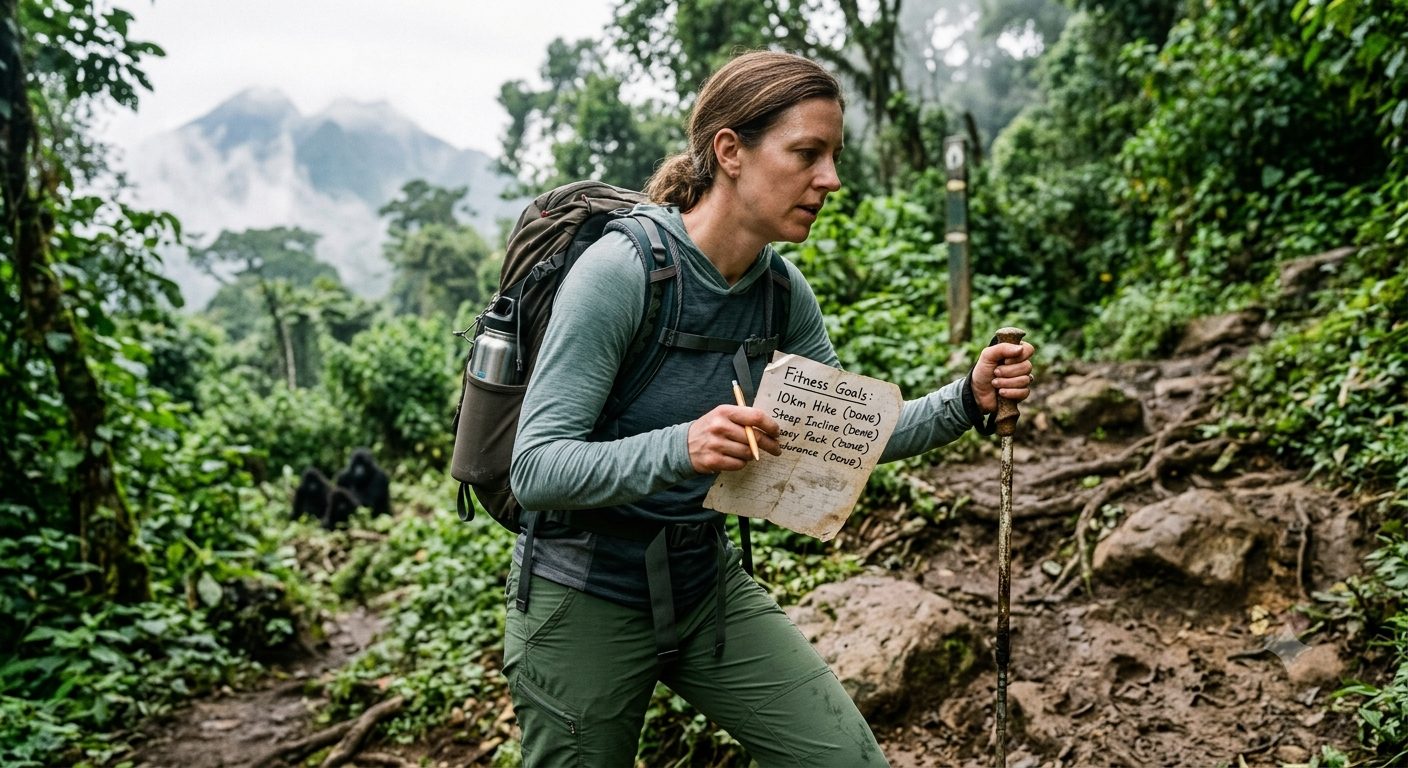
Self-assessment guide for trekking fitness
Before starting your mountain gorilla adventure, it is important to evaluate your physical readiness. A proper Gorilla Trekking Fitness Assessment helps you understand whether your current fitness level matches the demands of walking through tropical forests, climbing hills, navigating uneven trails, and spending several hours outdoors.
Gorilla trekking does not require professional athletic ability, but it does require preparation, endurance, and confidence in your ability to remain active for an extended period. The terrain in gorilla habitats can include steep slopes, muddy paths, dense vegetation, and changing weather conditions. A realistic assessment before your safari allows you to identify areas that need improvement.
Many travelers preparing for Uganda and Rwanda gorilla trekking focus on building stamina, improving leg strength, and increasing their ability to walk for longer periods. Understanding the physical demands beforehand makes the experience more enjoyable and reduces unnecessary fatigue during the trek.
Why a Gorilla Trekking Fitness Assessment Is Important
A Gorilla Trekking Fitness Assessment gives you a clear picture of your preparation level before arriving at the forest. Since gorilla locations change daily, the distance covered during a trek cannot always be predicted. Some visitors may find gorillas after a short walk, while others may spend several hours searching through challenging terrain.
Fitness assessment is especially important because gorilla trekking involves more than simple walking. Trekkers may need to maintain balance on slippery ground, move through thick vegetation, climb inclines, and carry personal items such as water, cameras, and rain protection equipment.
Understanding the conditions you may encounter is an important part of preparation. Our guide about gorilla trekking schedules and timing provides additional information about how long trekking activities can take and why endurance matters.
Cardiovascular Endurance Assessment for Gorilla Trekking
Cardiovascular endurance is one of the most important parts of gorilla trekking fitness. Your heart and lungs need to support continuous movement through forest environments where walking speeds and elevation changes may vary.
A simple way to evaluate your endurance is by considering how comfortable you are during long walks. If you can walk for several hours at a steady pace without excessive exhaustion, you are building the foundation needed for gorilla trekking.
Good endurance preparation includes regular walking, hiking, cycling, swimming, or other activities that improve your ability to maintain physical effort over time. Gradually increasing activity levels is more effective than attempting intense workouts immediately before your trip.
The physical demands of gorilla trekking vary depending on the location and conditions. You can learn more about fitness expectations through our Uganda gorilla trekking fitness guide, which explains how terrain and altitude influence trekking difficulty.
Leg Strength Assessment Before Gorilla Trekking
Strong legs are essential for moving through forest landscapes. During gorilla trekking, your legs support repeated movements such as climbing, stepping over obstacles, walking downhill, and maintaining balance on uneven surfaces.
A simple leg strength assessment involves evaluating your ability to perform everyday activities such as climbing stairs, walking uphill, or completing repeated movements without discomfort. If these activities feel challenging, strengthening exercises can improve your trekking readiness.
Important areas to develop include the thighs, calves, hips, and supporting muscles around the knees. Exercises such as squats, lunges, step-ups, and controlled hill walking can help prepare your body for forest conditions.
Choosing suitable equipment also supports your physical performance. Our article about what to pack and wear for gorilla trekking explains how proper footwear and clothing improve comfort during challenging walks.
Balance and Stability Assessment
Balance is another important part of Gorilla Trekking Fitness Assessment because forest trails are rarely flat or predictable. Trekkers may encounter roots, rocks, muddy sections, and steep areas where stability is necessary.
Good balance helps you move safely and confidently while reducing unnecessary strain. Core strength exercises, mobility activities, and regular outdoor walking can improve stability before your safari.
A simple balance test is standing on one leg comfortably, walking on uneven surfaces, and maintaining control while stepping over obstacles. These abilities are useful when navigating rainforest environments.
Walking Distance and Endurance Test
Walking ability is one of the easiest ways to measure your preparation level. Before your gorilla trekking safari, practice walking longer distances while gradually increasing duration and difficulty.
Start with comfortable walks and slowly introduce hills, uneven paths, and longer sessions. The goal is to train your body to handle extended movement without excessive tiredness.
A person preparing for gorilla trekking should become comfortable spending several hours on their feet. Regular walking practice also helps identify suitable footwear, clothing, and hydration needs before the actual trek.
Different destinations offer different trekking experiences. Our resource on Uganda versus Rwanda gorilla trekking explains how terrain and trekking duration can differ between locations.
Upper Body and Backpack Carrying Assessment
Although gorilla trekking mainly depends on lower body endurance, upper body strength also plays a supporting role. Visitors often carry small backpacks containing water, cameras, snacks, rain jackets, and personal items.
Your assessment should consider whether you can comfortably carry a lightweight backpack during long walks. Heavy bags can increase fatigue, so travelers should only carry essential items.
Shoulder strength, posture, and core stability help maintain comfort during extended trekking periods. Practicing with the backpack you plan to use before your trip can help you adjust properly.
Mental Readiness Assessment for Gorilla Trekking
Physical fitness is only one part of successful gorilla trekking. Mental preparation is equally important because forest conditions may be unpredictable. Weather changes, longer walking distances, and unfamiliar environments require patience and determination.
A positive mindset helps travelers enjoy the journey rather than focusing only on physical challenges. Understanding that every trek is unique allows visitors to appreciate the experience.
Preparing mentally also involves understanding safety guidelines, respecting park rules, and following instructions from experienced guides throughout the adventure.
Gorilla Trekking Fitness Assessment Checklist Before Travel
Before your safari, evaluate whether you can comfortably complete the following activities: walking for several hours, climbing moderate slopes, carrying a small backpack, maintaining balance on uneven ground, and recovering after physical activity.
If some areas feel difficult, there is still time to improve through gradual preparation. The goal of fitness training is not perfection but creating enough strength and endurance to enjoy your gorilla encounter.
Your final preparation should include understanding trekking conditions, choosing suitable equipment, and planning your safari experience carefully. Our guide on Rwanda gorilla trekking preparation provides additional information about preparing for mountain gorilla adventures.
Final Thoughts on Gorilla Trekking Fitness Assessment
A proper Gorilla Trekking Fitness Assessment helps you identify your strengths and areas that need improvement before your safari. The most important factors are endurance, leg strength, balance, and confidence in walking through natural environments.
With consistent preparation, most healthy travelers can develop the fitness needed for gorilla trekking. A well-prepared visitor can focus less on physical challenges and fully enjoy the unforgettable experience of meeting mountain gorillas in their natural habitat.
For travelers combining gorilla trekking with other hiking activities, preparation becomes even more important. Our article about volcano hiking and gorilla trekking adventures provides more insight into preparing for demanding outdoor experiences.
Gorilla Trekking Training Plan: A Complete Preparation Schedule
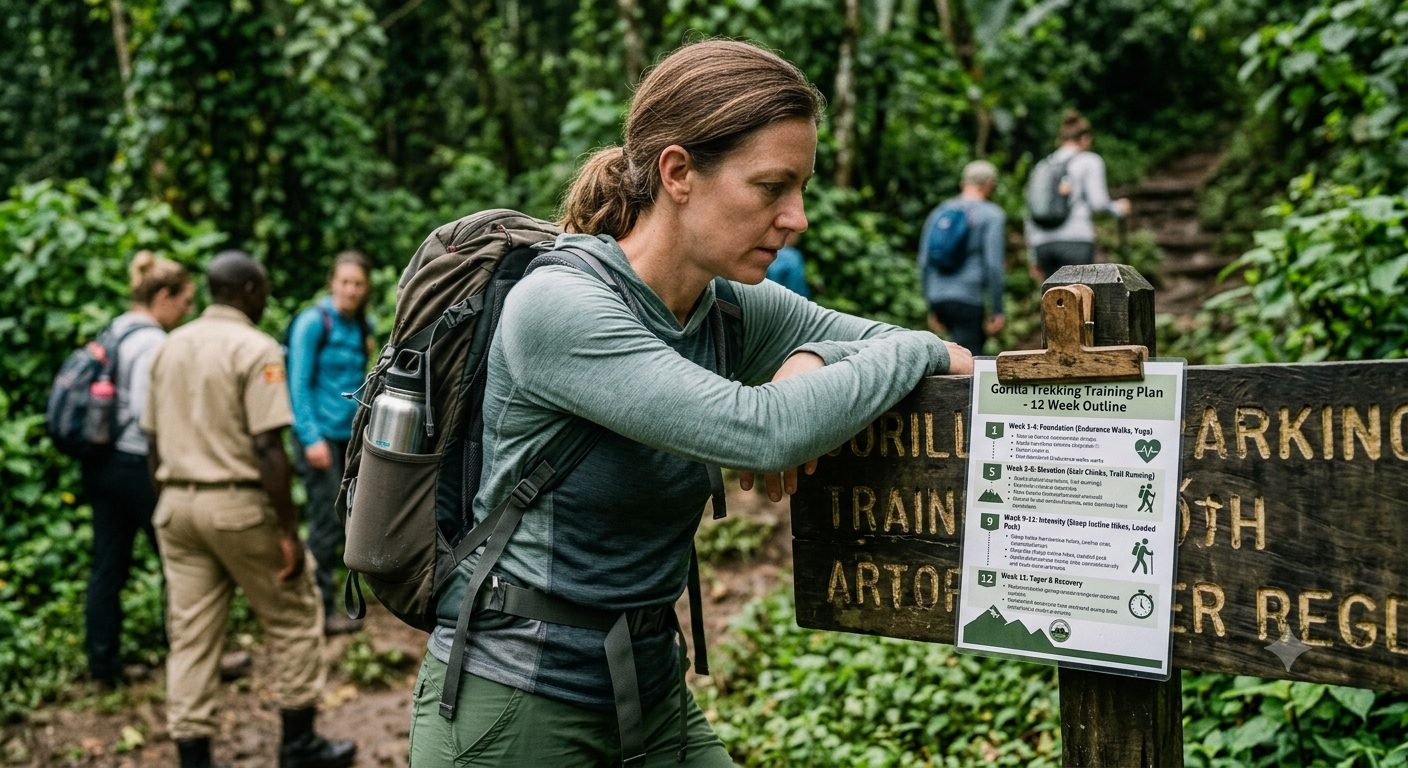
Structured trekking preparation plan
A proper Gorilla Trekking Training Plan is one of the most important steps before beginning a mountain gorilla adventure. Although gorilla trekking does not require professional athletic ability, the experience involves walking through tropical forests, climbing hills, crossing uneven ground, and remaining active for several hours. Preparing your body in advance improves endurance, confidence, and enjoyment during the trek.
The best Gorilla Trekking Training Plan focuses on gradually improving cardiovascular endurance, leg strength, balance, flexibility, and overall stamina. Training should simulate the conditions you may experience during gorilla trekking, including walking long distances, moving on uneven surfaces, and carrying a small backpack.
Every traveler begins from a different fitness level. Someone who already hikes regularly may require a shorter preparation period, while a beginner may benefit from several weeks or months of structured training. The goal is to build physical ability gradually without causing unnecessary fatigue or injury.
How Early Should You Start Training for Gorilla Trekking?
The ideal time to begin a Gorilla Trekking Training Plan depends on your current fitness level and previous outdoor experience. Travelers who are active and regularly exercise may prepare within a few weeks, while those who have limited physical activity should begin earlier.
Starting early allows your body to adapt naturally. Instead of attempting intense workouts shortly before your safari, gradual preparation creates better endurance and reduces the risk of exhaustion during the trek.
A structured preparation period gives you enough time to improve walking ability, strengthen important muscle groups, and become comfortable with outdoor conditions similar to those found in gorilla habitats.
12-Week Gorilla Trekking Training Plan Overview
A 12-week Gorilla Trekking Training Plan provides enough time for most travelers to develop the physical foundation needed for mountain gorilla trekking. The program should progress gradually, beginning with basic fitness improvement and advancing toward trek simulation.
The first stage focuses on building basic endurance. The second stage increases strength and stamina. The final stage prepares your body for longer walks, hills, uneven terrain, and carrying essential trekking equipment.
Weeks 1–4: Building Your Fitness Foundation
During the first four weeks, the main goal is improving your general fitness level. Travelers who are new to exercise should focus on developing consistent habits rather than pushing too hard.
Walking should become the foundation of your preparation. Begin with comfortable distances and slowly increase the duration. Walking on different surfaces, including hills and natural trails, helps your body adjust to changing terrain.
Strength exercises should also be introduced during this stage. Focus on movements that support trekking, including exercises that strengthen the legs, hips, and core muscles.
Weeks 5–8: Increasing Strength and Endurance
The middle stage of your Gorilla Trekking Training Plan focuses on increasing the difficulty of your workouts. Your body should gradually become more comfortable with longer periods of physical activity.
Increase walking distances and include uphill walking whenever possible. Hiking, stair climbing, and outdoor walking are excellent preparation because they closely match the movements required during gorilla trekking.
Strength training should become more consistent during this period. Stronger legs help with climbing slopes, while improved core stability supports balance on uneven forest paths.
Weeks 9–12: Gorilla Trekking Simulation Training
The final weeks should focus on activities that closely resemble the real trekking experience. Your body should be prepared for longer walks, changing terrain, and carrying your personal equipment.
Practice longer outdoor walks and include hills whenever possible. If you have access to hiking trails, they provide excellent preparation because they replicate the unpredictable nature of forest environments.
During this stage, avoid suddenly increasing exercise intensity. The purpose is to arrive at your destination feeling strong, energetic, and ready rather than exhausted.
Weekly Gorilla Trekking Workout Routine
A balanced weekly routine should combine endurance training, strength exercises, flexibility work, and recovery. A good Gorilla Trekking Training Plan does not focus on only one type of exercise because trekking requires full-body preparation.
Walking and cardio activities improve stamina, strength exercises prepare your muscles for climbing and movement, while flexibility training supports mobility and reduces stiffness.
Cardio Training for Gorilla Trekking Preparation
Cardiovascular training improves your ability to maintain activity for several hours. Since gorilla trekking involves continuous movement through forests, good endurance is one of the most valuable fitness qualities.
Useful cardio activities include walking, hiking, cycling, swimming, and stair climbing. The most important activity is regular walking because it directly prepares your body for trekking conditions.
Gradually increase the duration and difficulty of your cardio sessions. Building endurance slowly creates better long-term results than short periods of intense exercise.
Strength Training Exercises During Gorilla Trekking Preparation
Strength training is an essential part of any Gorilla Trekking Training Plan because the trek requires repeated movements such as climbing, stepping over obstacles, and maintaining balance.
Important areas to strengthen include the legs, hips, core, and back. Strong lower-body muscles make uphill walking easier, while core strength improves stability on uneven terrain.
Simple exercises such as squats, lunges, step-ups, and planks can provide valuable preparation when performed consistently.
Practicing With a Backpack Before Gorilla Trekking
Many travelers underestimate the effect of carrying equipment during a long trek. A small backpack containing water, camera equipment, rain protection, and personal items adds extra weight to your body.
During your Gorilla Trekking Training Plan, practice walking with the backpack you intend to use. This allows you to adjust the weight and ensure that your equipment remains comfortable during longer walks.
Recovery During Your Gorilla Trekking Training Plan
Recovery is an important part of preparation. Training every day without rest can reduce performance and increase tiredness before your safari.
Include rest days, stretching sessions, proper hydration, and enough sleep throughout your preparation period. Recovery allows your muscles to become stronger and helps maintain motivation.
Adjusting Your Training Plan Based on Fitness Level
Not every traveler needs the same Gorilla Trekking Training Plan. Your preparation should match your current ability and gradually challenge you.
Beginners should focus on developing consistency and basic endurance. Experienced hikers can focus on longer distances, challenging terrain, and increased stamina.
The most important factor is steady improvement. A realistic training approach prepares your body while allowing you to enjoy the journey.
Final Thoughts on Gorilla Trekking Training Plan
A well-designed Gorilla Trekking Training Plan improves your ability to handle the physical demands of mountain gorilla trekking. By combining walking, cardio exercises, strength training, and recovery, you can develop the endurance required for this unforgettable wildlife experience.
The purpose of training is not to become an athlete but to prepare your body for adventure. With consistent preparation, most travelers can confidently enjoy trekking through the forest and experiencing mountain gorillas in their natural environment.
Best Exercises for Gorilla Trekking: Complete Workout Guide
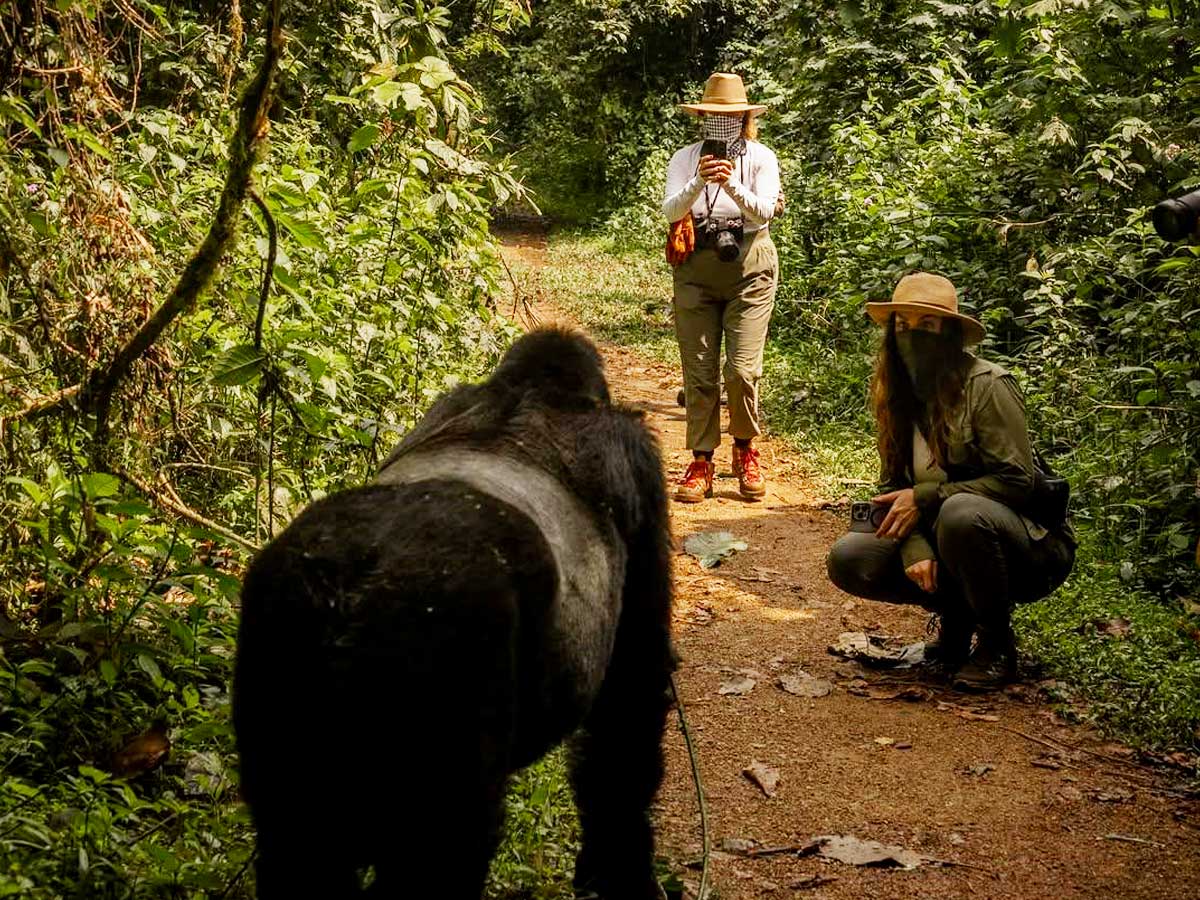
Top exercises for trekking success
Preparing your body with the right exercises is one of the most effective ways to improve your gorilla trekking experience. The forest environment where mountain gorillas live requires endurance, strength, balance, and flexibility. A proper exercise routine helps travelers develop the physical ability needed to walk through challenging terrain, climb hills, and remain comfortable during long trekking hours.
The best exercises for gorilla trekking focus on the muscles and abilities used during hiking. Unlike normal walking, gorilla trekking involves uneven forest paths, steep sections, muddy trails, and changing conditions. Training your legs, core, and cardiovascular system before your safari makes the adventure more enjoyable and manageable.
A complete gorilla trekking workout routine should combine strength exercises, cardio training, mobility exercises, and endurance activities. The goal is not to become a professional athlete but to prepare your body for several hours of outdoor movement.
Why Exercise Preparation Is Important Before Gorilla Trekking
Gorilla trekking takes place in natural environments where conditions can change quickly. Trekkers may walk through dense forests, climb slopes, cross uneven ground, and spend extended periods searching for mountain gorillas.
Regular exercise improves your stamina and allows your body to handle physical demands more efficiently. Stronger muscles reduce fatigue, while better endurance helps you maintain energy throughout the trek.
Travelers who prepare physically often enjoy the experience more because they can focus on observing wildlife, taking photographs, and appreciating the forest environment instead of struggling with physical challenges.
Walking Exercises for Gorilla Trekking Preparation
Walking is the foundation of any gorilla trekking exercise program. Since trekking involves several hours of movement, regular walking helps your body adapt to longer periods of activity.
Start with comfortable walks and gradually increase distance and duration. As your fitness improves, include hills, stairs, and uneven surfaces to better simulate forest conditions.
Walking exercises are especially valuable because they train your legs, improve cardiovascular endurance, and build confidence for outdoor activities.
Hiking Exercises for Building Gorilla Trekking Endurance
Hiking is one of the closest activities to actual gorilla trekking because it combines walking, climbing, balance, and endurance. If possible, include hiking sessions in your preparation program.
Practice walking on natural trails, hills, and different surfaces. These conditions help your body adjust to the unpredictable environment you may experience during a mountain gorilla trek.
Beginners should start with easier hiking routes and gradually increase difficulty. The aim is steady improvement rather than extreme physical training.
Squats for Stronger Legs During Gorilla Trekking
Squats are among the most useful strength exercises for gorilla trekking because they strengthen muscles used during climbing, walking, and standing for long periods.
Strong thighs and hips provide better support when moving through steep terrain. Squats also improve stability, which is important when walking on uneven forest trails.
Beginners can start with bodyweight squats before progressing to more challenging variations. Proper technique is more important than performing a high number of repetitions.
Lunges for Balance and Forest Trail Movement
Lunges help prepare your body for the types of movements required during gorilla trekking. Walking through forests often involves stepping over roots, rocks, and uneven sections.
This exercise improves leg strength, coordination, and balance. These qualities are important when moving safely through challenging environments.
Include forward lunges, reverse lunges, and controlled movements as part of your gorilla trekking fitness preparation.
Step-Up Exercises for Hill Climbing Preparation
Step-up exercises are particularly useful because they imitate the movement of climbing hills and forest slopes. During gorilla trekking, your legs repeatedly push your body upward through changing elevations.
Using a stable platform, practice stepping up and down while maintaining good posture. This strengthens the muscles required for uphill movement and improves endurance.
Gradually increasing the height or duration of step-up exercises can improve trekking readiness.
Core Exercises for Better Gorilla Trekking Stability
Core strength plays an important role during gorilla trekking because it helps maintain balance and control while walking on uneven ground.
A strong core supports posture, reduces unnecessary strain, and helps when carrying a backpack during long walks.
Useful core exercises include planks, side planks, mountain climbers, and controlled abdominal movements. These exercises improve stability and support overall trekking performance.
Cardio Exercises to Improve Gorilla Trekking Stamina
Cardiovascular exercises improve the body’s ability to maintain activity for extended periods. Since gorilla trekking may involve several hours of walking, good stamina is essential.
Effective cardio activities include jogging, cycling, swimming, stair climbing, and fast walking. Choose activities that match your current fitness level and increase intensity gradually.
Consistency is more important than extreme workouts. Regular moderate cardio training produces better preparation results.
Flexibility and Mobility Exercises Before Gorilla Trekking
Flexibility exercises help prepare muscles and joints for movement through forests and hills. Improved mobility allows your body to move more comfortably during long trekking sessions.
Focus on stretching areas commonly used during hiking, including the calves, thighs, hips, and lower back.
Mobility exercises should be performed regularly, especially after walking or strength training sessions.
Backpack Training Exercises for Gorilla Trekking
Carrying a backpack during gorilla trekking changes the physical demands placed on your body. Practicing with a lightweight backpack before your safari helps your muscles adjust.
Start with a small amount of weight and gradually increase walking duration. Avoid carrying unnecessary items because extra weight can increase fatigue.
Backpack training also helps you test your equipment before the actual trek.
Beginner Exercise Routine for Gorilla Trekking
Beginners should focus on building consistency rather than performing difficult workouts immediately. A simple routine combining walking, strength exercises, and stretching can create a strong foundation.
Start with shorter sessions and gradually increase activity levels. The body needs time to adapt to new physical demands.
A beginner-friendly program should prioritize regular movement, gradual progress, and proper recovery.
Advanced Exercises for Experienced Hikers
Travelers with previous hiking experience can increase training intensity by adding longer hikes, steeper climbs, and endurance-focused workouts.
Advanced preparation may include longer trail walks, hill repeats, backpack practice, and challenging outdoor activities.
Even experienced hikers should avoid overtraining before their safari because arriving rested is important for enjoying the trek.
Common Exercise Mistakes Before Gorilla Trekking
One common mistake is waiting until the last minute to begin training. Physical preparation requires gradual improvement over time.
Another mistake is focusing only on cardio while ignoring strength and flexibility. Gorilla trekking requires a combination of different physical abilities.
Travelers should also avoid training too aggressively without allowing enough recovery time.
Final Thoughts on Exercises for Gorilla Trekking
The best exercises for gorilla trekking combine endurance, strength, balance, and mobility. A balanced workout routine prepares your body for the unique challenges of walking through mountain gorilla habitats.
By practicing walking, hiking, strength exercises, and cardio activities before your trip, you increase your confidence and improve your ability to enjoy one of Africa’s most memorable wildlife experiences.
Cardio Training for Gorilla Trekking: Building Stamina and Endurance
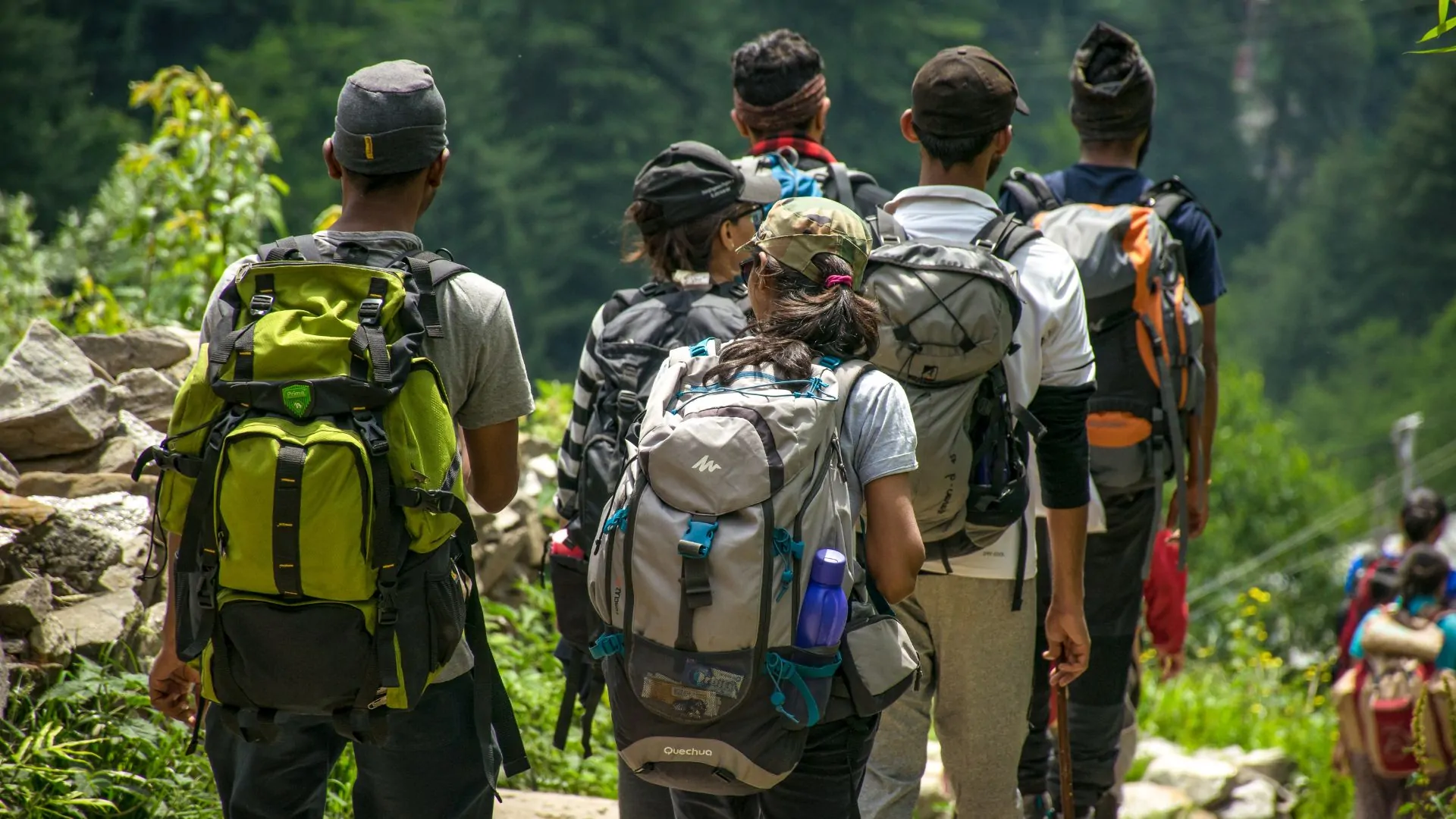
Cardio workouts for trekking endurance
Cardio training is one of the most important parts of preparing your body for a mountain gorilla trekking adventure. A proper cardio routine improves your heart and lung capacity, helping you maintain energy while walking through forests, climbing slopes, and navigating challenging terrain. This section of the Gorilla Trekking Fitness Guide explains how cardiovascular exercises improve trekking performance and how to create an effective endurance program before your safari.
Gorilla trekking requires more than normal daily movement because visitors often spend several hours walking through natural environments. The distance, terrain, weather conditions, and location of gorilla families can affect how physically demanding the experience becomes. Developing strong cardiovascular endurance helps your body handle continuous movement and reduces fatigue during the trek.
The best cardio training for gorilla trekking focuses on activities that improve stamina gradually. The goal is not maximum speed or intense athletic performance but the ability to remain active comfortably for extended periods.
Why Cardio Training Is Important for Gorilla Trekking
Cardiovascular fitness directly affects your ability to enjoy gorilla trekking. When your heart and lungs work efficiently, your body can supply muscles with oxygen more effectively during long walks and uphill sections.
Many visitors underestimate the physical demands of trekking because the activity involves wildlife viewing rather than traditional sports. However, reaching mountain gorillas often requires moving through forests with changing elevations and unpredictable trail conditions.
Good cardio preparation allows trekkers to maintain a steady pace, recover faster after difficult sections, and conserve energy for the entire experience.
Walking as the Foundation of Gorilla Trekking Cardio Training
Walking is the most practical cardio exercise for anyone preparing for gorilla trekking. Since trekking involves long periods of walking, regular walking practice provides direct preparation for the actual experience.
Beginners should start with comfortable walks and slowly increase distance and duration. As fitness improves, introduce hills, stairs, and uneven surfaces to make training more similar to forest conditions.
Long-distance walking also helps you understand your body’s limits and identify areas that require additional preparation before your safari.
Hiking Training for Gorilla Trekking Endurance
Hiking is one of the best forms of cardio training for gorilla trekking because it combines endurance, elevation changes, balance, and outdoor movement.
Practicing on hiking trails helps your body adapt to the conditions commonly found in gorilla habitats. Uneven paths, slopes, and changing terrain prepare your muscles and cardiovascular system for real trekking situations.
If possible, include regular hiking sessions during your preparation period. Start with easier trails and gradually increase difficulty as your fitness improves.
Stair Climbing for Gorilla Trekking Preparation
Stair climbing is an effective cardio exercise because it closely imitates the uphill movement required during many trekking experiences. It improves leg endurance while increasing cardiovascular capacity.
Travelers who do not have access to hiking trails can use stairs as an alternative training method. Regular stair sessions help prepare the muscles used during climbing and improve overall stamina.
Begin with shorter sessions and increase gradually. Avoid excessive training that causes unnecessary fatigue or discomfort.
Cycling for Improving Gorilla Trekking Fitness
Cycling is another useful cardio activity for gorilla trekking preparation. It strengthens the legs while improving cardiovascular endurance without placing excessive pressure on joints.
Cycling can be especially helpful for travelers who want to improve fitness gradually or who prefer lower-impact exercise options.
Combining cycling with walking creates a balanced endurance program that prepares different aspects of physical performance.
Swimming as a Low-Impact Cardio Exercise
Swimming provides an excellent cardiovascular workout while reducing stress on joints. It improves breathing control, endurance, and overall fitness.
For travelers recovering from previous inactivity or looking for gentle preparation activities, swimming can support the development of stamina needed for gorilla trekking.
Although swimming does not replicate hiking movements, it strengthens cardiovascular ability and complements walking-based preparation.
Creating a Gorilla Trekking Cardio Training Schedule
A successful cardio program should be consistent and progressive. Instead of performing occasional intense workouts, focus on regular activity that gradually improves endurance.
A balanced weekly routine may include walking sessions, hiking practice, stair climbing, cycling, or other cardio activities depending on availability and fitness level.
The intensity should increase slowly as your body becomes stronger. Proper progression reduces injury risk and improves long-term results.
Beginner Cardio Training Plan for Gorilla Trekking
Beginners should focus on building a strong foundation before increasing workout intensity. The first goal is becoming comfortable with regular movement.
Start with shorter walking sessions several times per week. Gradually increase distance, introduce hills, and add other cardio activities as your fitness improves.
Consistency is more important than intensity during the early stages of preparation.
Intermediate Cardio Training for Gorilla Trekking
Travelers with moderate fitness levels can increase training by adding longer walks, hiking sessions, and more challenging terrain.
Intermediate preparation should focus on improving endurance and becoming comfortable with extended periods of activity.
Practicing with a small backpack during longer walks can also improve readiness for the actual trekking experience.
Advanced Cardio Preparation for Gorilla Trekking
Experienced hikers and active travelers can prepare by increasing hiking duration, adding steeper climbs, and practicing longer outdoor activities.
Advanced training should still include recovery periods because arriving at the destination rested and energetic is essential.
The objective is improving endurance, not exhausting the body before the safari begins.
How Long Should You Do Cardio Before Gorilla Trekking?
The preparation period depends on your starting fitness level. Some travelers may improve significantly within several weeks, while beginners may benefit from longer preparation periods.
Starting early provides enough time for gradual progress. It allows you to strengthen your endurance without rushing or placing unnecessary stress on your body.
A consistent cardio routine before your safari creates confidence and improves your ability to enjoy the trek.
Common Cardio Training Mistakes Before Gorilla Trekking
One mistake is focusing only on short, intense workouts instead of building endurance. Gorilla trekking requires sustained activity rather than brief bursts of effort.
Another mistake is ignoring outdoor walking practice. Indoor exercise can help, but real terrain preparation provides additional benefits.
Travelers should also avoid increasing training too quickly because gradual improvement produces better results.
Final Thoughts on Cardio Training for Gorilla Trekking
Cardio training for gorilla trekking is essential because it prepares your body for long walks, challenging terrain, and changing forest conditions. Walking, hiking, cycling, swimming, and stair climbing are effective ways to build the endurance needed for the adventure.
A consistent Gorilla Trekking Cardio Training Plan improves confidence, reduces fatigue, and allows you to focus on the unforgettable experience of encountering mountain gorillas in their natural environment.
Strength Training for Gorilla Trekking: Building Power and Stability
Strength training is a crucial part of preparing your body for mountain gorilla trekking. While endurance allows you to walk for several hours, strength gives your body the ability to climb slopes, maintain balance, carry essential equipment, and move confidently through challenging forest environments. This section of the Gorilla Trekking Fitness Guide explains how strength exercises improve trekking performance and how to develop a practical workout routine before your safari.
Many travelers focus only on cardio when preparing for gorilla trekking, but the experience requires more than stamina. The terrain can include steep paths, muddy sections, uneven ground, and areas where strong leg and core muscles are needed for stability.
A balanced Gorilla Trekking Strength Training Plan improves muscle endurance rather than focusing on bodybuilding. The goal is to prepare functional strength that supports walking, climbing, and outdoor movement.
Why Strength Training Is Important for Gorilla Trekking
Gorilla trekking takes place in natural environments where your body performs many movements that are different from normal daily activities. Walking through forests requires repeated use of your legs, hips, core, and supporting muscles.
Strong muscles help reduce tiredness because your body becomes more efficient at handling physical demands. Strength training also improves stability, which is important when walking on slippery or uneven surfaces.
Building strength before your trek allows you to conserve energy and enjoy the experience instead of becoming overwhelmed by physical challenges.
Lower Body Strength Exercises for Gorilla Trekking
The lower body is the foundation of trekking fitness because your legs carry your body through changing terrain. Strong thighs, hips, calves, and glute muscles support climbing, descending, and maintaining balance.
Lower body exercises should be a major part of your Gorilla Trekking Strength Training Plan because forest trails often require repeated stepping movements and controlled body movements.
Exercises that strengthen the lower body help prepare your muscles for long walking periods and challenging sections of the trail.
Squats for Gorilla Trekking Leg Strength
Squats are one of the most effective exercises for preparing your legs for gorilla trekking. They strengthen important muscles involved in standing, walking, climbing, and carrying weight.
Bodyweight squats are suitable for beginners, while experienced travelers can gradually increase difficulty as their strength improves.
Proper form is more important than speed. Controlled movements create better strength development and reduce unnecessary strain.
Lunges for Balance and Trekking Movement
Lunges help improve single-leg strength, balance, and coordination. These abilities are important when moving through forests where each step may involve uneven surfaces or obstacles.
Different variations, including forward lunges and reverse lunges, can help strengthen the muscles used during hiking and trekking.
Regular lunge exercises improve stability and prepare your body for natural movements encountered during gorilla trekking.
Step-Up Exercises for Hill Climbing Ability
Step-ups closely imitate the climbing movements required during many gorilla trekking experiences. They strengthen the muscles used when moving uphill and stepping over obstacles.
Using a stable platform, practice controlled stepping movements while maintaining balance. Increase duration gradually as your fitness improves.
Step-up exercises are especially useful because they combine strength and endurance training.
Calf Exercises for Forest Trail Preparation
Calf muscles play an important role during walking, climbing, and maintaining balance. Strong calves help support movement across uneven ground and steep sections.
Calf raises are a simple exercise that can improve lower-leg strength. They can be performed almost anywhere and require minimal equipment.
Consistent calf training improves comfort during long walking sessions and helps prepare your legs for trekking conditions.
Core Strength Training for Gorilla Trekking Stability
Core strength is essential for maintaining balance and controlling body movement during gorilla trekking. A strong core supports your posture and helps stabilize your body on challenging terrain.
Exercises such as planks, side planks, and controlled abdominal movements strengthen the muscles responsible for stability.
A stronger core also improves comfort when carrying a backpack during long trekking periods.
Upper Body Strength for Carrying Trekking Equipment
Although gorilla trekking relies heavily on lower-body strength, upper-body fitness also contributes to overall comfort. Travelers often carry cameras, water, rain jackets, and personal items.
Strong shoulders, arms, and back muscles help support backpack use and improve posture during long walks.
Simple exercises such as push-ups, rows, and resistance movements can support upper-body preparation.
Functional Strength Training for Real Trekking Conditions
Functional strength training focuses on movements that match real-life activities. Instead of training only isolated muscles, these exercises prepare your body for practical trekking movements.
Examples include carrying a backpack while walking, stepping over obstacles, climbing stairs, and performing controlled movements similar to outdoor activities.
Functional training creates strength that directly supports your gorilla trekking experience.
Creating a Gorilla Trekking Strength Workout Routine
A good strength routine should be simple, consistent, and progressive. Beginners should start with basic exercises and gradually increase intensity as their bodies adapt.
Strength sessions can be combined with walking and cardio training to create complete preparation. Balance between different exercise types produces better results than focusing on only one area.
Training two or three times per week is often enough for many travelers preparing for gorilla trekking.
Strength Training Plan for Beginners
Beginners should focus on building movement confidence and basic muscle strength. Start with bodyweight exercises before adding resistance.
The main goal is developing stronger legs, improved balance, and better endurance for outdoor activities.
Gradual progress is the safest and most effective approach for beginners.
Strength Training Plan for Experienced Hikers
Experienced hikers can increase training difficulty by adding resistance, longer sessions, and more challenging movements.
Advanced preparation may include weighted backpack walks, longer hiking sessions, and more demanding strength routines.
Even experienced hikers should maintain balance between training and recovery before the safari.
Recovery After Strength Training
Recovery allows muscles to repair and become stronger. Without proper recovery, excessive training can reduce performance and increase fatigue.
Important recovery practices include stretching, hydration, sufficient sleep, and allowing rest between strength sessions.
A successful Gorilla Trekking Strength Training Plan includes both exercise and recovery.
Common Strength Training Mistakes Before Gorilla Trekking
One common mistake is focusing only on heavy exercises without preparing for endurance. Gorilla trekking requires muscle stamina rather than maximum strength.
Another mistake is ignoring mobility and flexibility. Strong muscles need good movement ability to perform effectively.
Travelers should also avoid starting intense strength training shortly before their trip because the body needs time to adapt.
Final Thoughts on Strength Training for Gorilla Trekking
Strength training for gorilla trekking improves your ability to handle forests, hills, uneven trails, and long walking periods. A balanced routine develops the functional strength needed for a comfortable and enjoyable adventure.
By combining lower-body exercises, core training, upper-body preparation, and proper recovery, travelers can build the physical confidence required for mountain gorilla trekking.
Preparing for Bwindi Gorilla Trekking: Complete Fitness and Physical Preparation Guide
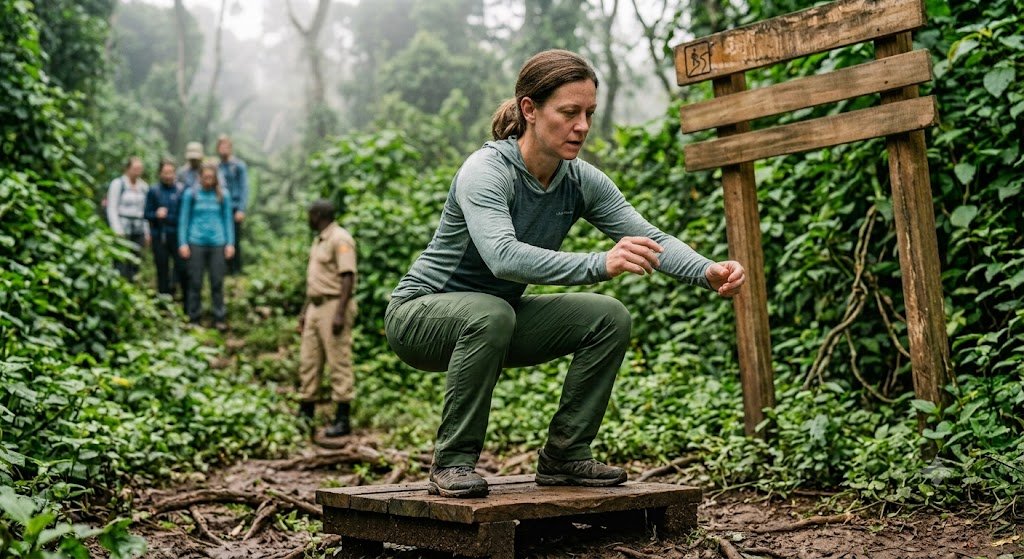
Strength workouts for trekking preparation
Preparing for Bwindi gorilla trekking requires more than excitement and a valid permit. The experience takes place inside Bwindi Impenetrable National Park, a mountainous rainforest environment where visitors walk through dense vegetation, uneven trails, steep slopes, and changing weather conditions. A proper preparation plan helps travelers develop the strength, endurance, and confidence needed to enjoy this unforgettable wildlife adventure.
Bwindi gorilla trekking fitness preparation should focus on improving walking endurance, strengthening the legs, developing balance, and preparing the body for several hours of outdoor activity. The difficulty of each trek can vary depending on the location of the gorilla family, trail conditions, and daily movements of the gorillas.
Before traveling, visitors should understand what physical demands to expect and create a realistic training routine. Learning about the actual trekking experience through our Bwindi gorilla trekking experience guide helps travelers understand the environment they will encounter during their adventure.
Understanding the Physical Demands of Bwindi Gorilla Trekking
Bwindi Impenetrable National Park is famous for its thick rainforest, dramatic landscapes, and mountain gorilla populations. Trekking through this environment requires visitors to move carefully through natural forest paths that may include muddy sections, steep climbs, and areas without clearly marked walking routes.
The physical challenge comes from the combination of distance, elevation changes, and unpredictable terrain. Some trekkers may reach a gorilla family after a shorter walk, while others may spend several hours hiking before locating the group.
A strong fitness foundation allows visitors to conserve energy and appreciate the surroundings instead of focusing only on physical exhaustion.
Building Endurance Before Bwindi Gorilla Trekking
Endurance is one of the most important fitness factors for Bwindi gorilla trekking. Visitors should practice activities that improve their ability to remain active for extended periods.
Regular walking is one of the best preparation methods because it closely matches the movement required during the trek. Begin with comfortable distances and gradually increase the duration as your fitness improves.
Adding hills, stairs, and outdoor walking routes makes training more effective because Bwindi trekking involves elevation changes and uneven forest conditions.
Strength Training for Bwindi Gorilla Trekking
Strong muscles help travelers handle the physical demands of rainforest trekking. The legs, hips, and core are especially important because they support climbing, balance, and movement across challenging surfaces.
Exercises such as squats, lunges, step-ups, and core strengthening movements help prepare the body for hiking activities. These exercises improve stability and reduce fatigue during long walking periods.
Strength training should focus on functional fitness rather than extreme workouts. The goal is to make everyday trekking movements easier and more comfortable.
Practicing Hiking Before Your Bwindi Gorilla Trek
Hiking practice is one of the closest ways to prepare for Bwindi gorilla trekking. It exposes your body to conditions similar to those found in forest environments.
Whenever possible, practice walking on trails with different surfaces, including hills, natural paths, and uneven ground. This helps improve balance and confidence before arriving in Uganda.
Travelers can also combine hiking practice with carrying a small backpack to simulate the equipment they will have during the actual trek.
Preparing for Bwindi’s Forest Terrain and Weather Conditions
Bwindi’s rainforest environment can change quickly. Rain, humidity, muddy paths, and dense vegetation are normal parts of the trekking experience.
Physical preparation should therefore include activities that improve stability and adaptability. Walking on different surfaces helps your body become comfortable with changing conditions.
Understanding the environment before traveling also improves mental preparation. Our Bwindi gorilla trekking difficulty information explains why fitness and preparation are important before entering the forest.
Choosing the Right Bwindi Trekking Sector
Bwindi Impenetrable National Park has different trekking sectors, and each area offers a unique experience. The physical requirements may vary depending on where your assigned gorilla family is located.
Some travelers prefer sectors known for easier access, while others are interested in more challenging trekking experiences. Discussing your fitness level with your tour operator can help you choose a suitable option.
Understanding sector differences before your trip allows better preparation and realistic expectations.
Fitness Preparation for Different Traveler Levels
Every traveler has a different starting fitness level. Beginners, regular hikers, and experienced outdoor travelers should approach preparation differently.
Beginners should focus on building consistent walking habits and improving general endurance. Regular hikers may concentrate on increasing hiking duration and preparing for more challenging terrain.
The goal for every traveler is to arrive physically prepared and confident enough to enjoy the gorilla encounter.
Preparing Your Equipment Before Bwindi Gorilla Trekking
Physical preparation works best when combined with proper equipment planning. Comfortable hiking boots, suitable clothing, and a lightweight backpack contribute significantly to trekking comfort.
Good footwear helps with muddy and uneven forest trails, while appropriate clothing protects against weather changes and vegetation.
A detailed equipment checklist can be found in our gorilla trekking packing and clothing guide, which explains important items to carry during the adventure.
Mental Preparation Before Bwindi Gorilla Trekking
Physical fitness is only one part of successful gorilla trekking preparation. Mental readiness is equally important because every trek is different.
Visitors should be prepared for changing conditions, longer walks than expected, and the natural unpredictability of rainforest environments.
A positive mindset helps travelers remain patient and enjoy the journey as much as the final gorilla encounter.
Recovery Before Your Gorilla Trekking Day
Rest and recovery are important before the actual trekking day. Arriving tired can reduce your enjoyment and make the physical experience more difficult.
In the days before trekking, focus on good sleep, hydration, balanced meals, and light movement rather than intense training.
A rested body performs better and allows you to fully appreciate the forest experience.
Additional Activities Combined With Bwindi Gorilla Trekking
Many travelers combine gorilla trekking with other outdoor experiences in Uganda. Activities such as hiking, wildlife viewing, and cultural experiences can create a more complete safari journey.
Travelers planning combined adventures should consider their overall activity level and allow enough recovery time between activities.
For visitors interested in extending their adventure, our volcano hiking and gorilla trekking guide provides information about combining challenging outdoor experiences.
Final Preparation Checklist Before Bwindi Gorilla Trekking
Before departing for Bwindi, ensure that you have developed your walking endurance, practiced outdoor movement, prepared suitable equipment, and understood the trekking conditions.
A successful Gorilla Trekking Fitness Guide should help travelers prepare both physically and mentally. Proper preparation allows visitors to enjoy the forest journey, observe mountain gorillas comfortably, and create lasting memories.
Understanding trekking schedules and daily expectations also helps with preparation. Our gorilla trekking timing guide explains how the trekking day is organized and why endurance matters.
Preparing for Volcanoes National Park Gorilla Trekking: Fitness and Physical Preparation Guide
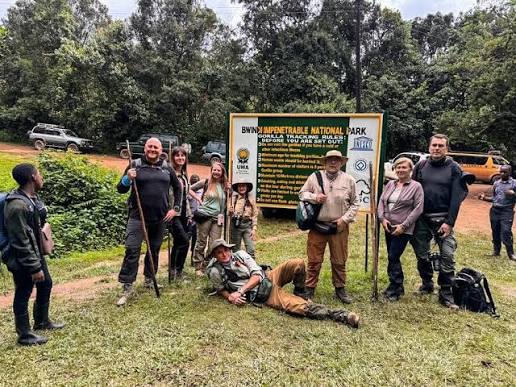
Fitness preparation for Bwindi trekking
Preparing for Volcanoes National Park gorilla trekking requires understanding the unique physical demands of trekking through Rwanda’s mountainous rainforest environment. Located in the Virunga Mountains, Volcanoes National Park offers one of Africa’s most remarkable wildlife experiences, but reaching mountain gorillas requires endurance, strength, and preparation.
Unlike ordinary wildlife viewing activities, gorilla trekking involves walking through forest trails, climbing slopes, navigating uneven terrain, and adapting to changing weather conditions. A good physical preparation plan improves your confidence and allows you to fully enjoy the experience of encountering mountain gorillas in their natural habitat.
Your preparation should focus on cardiovascular endurance, leg strength, balance, and flexibility. Learning about the actual trekking environment through our Rwanda gorilla trekking preparation guide helps travelers understand the conditions they may experience before beginning their adventure.
Understanding the Physical Requirements of Volcanoes National Park Gorilla Trekking
Volcanoes National Park gorilla trekking takes place in a high-altitude volcanic landscape where trails can vary significantly depending on the location of gorilla families. Some treks may involve shorter walks, while others require longer hikes through challenging terrain.
The main physical requirements include the ability to walk for several hours, handle elevation changes, maintain balance on uneven surfaces, and remain active in humid forest conditions.
Travelers do not need to be professional hikers or athletes. However, having a reasonable fitness foundation makes the trek more comfortable and enjoyable.
Building Endurance Before Volcanoes Gorilla Trekking
Endurance is one of the most important elements of preparation for Volcanoes National Park gorilla trekking. Since gorillas move freely through the forest, the distance covered during a trek cannot always be predicted.
Regular walking, hiking, cycling, and other cardiovascular activities help your body become comfortable with extended periods of movement.
Begin training gradually and increase activity levels over time. Consistent preparation is more effective than attempting intense workouts shortly before your safari.
Strength Training for Mountain Gorilla Trekking in Rwanda
Strength training prepares the muscles needed for climbing, walking, and maintaining stability during forest trekking. The legs, hips, and core are especially important because they support movement through uneven landscapes.
Exercises such as squats, lunges, step-ups, and core strengthening movements help develop functional strength for outdoor activities.
The goal is not maximum strength but improved endurance and stability for the movements required during the trek.
Preparing for Volcanoes National Park Terrain
The terrain around Volcanoes National Park can include forest paths, volcanic slopes, muddy areas, and sections with thick vegetation. Travelers should prepare their bodies for changing surfaces and unpredictable conditions.
Practicing hiking on natural trails before your trip is one of the best ways to prepare. Walking on hills and uneven ground improves balance and builds confidence.
Understanding the trekking environment also helps travelers choose suitable preparation methods and equipment.
Cardio Training for Rwanda Gorilla Trekking Fitness
Cardiovascular fitness supports your ability to maintain energy during long trekking sessions. A strong cardiovascular system allows your body to use oxygen efficiently while walking uphill and through forest terrain.
Recommended cardio activities include walking, hiking, stair climbing, cycling, and swimming. These activities can be adjusted according to your current fitness level.
Travelers who regularly practice endurance activities often find the physical aspects of gorilla trekking more manageable.
Practicing Hiking Before Your Volcanoes Gorilla Trek
Hiking practice provides one of the closest preparations for the real gorilla trekking experience. It combines walking endurance, balance, climbing ability, and outdoor adaptation.
If possible, include longer hikes in your preparation schedule. Try different trail conditions to become comfortable with changing surfaces.
For travelers combining multiple adventure activities, our volcano hiking and gorilla trekking guide explains how these experiences involve similar physical preparation requirements.
Choosing the Right Fitness Level for Rwanda Gorilla Trekking
Different travelers have different fitness backgrounds, and preparation should match individual ability. Beginners should focus on building consistency, while experienced hikers can increase distance and difficulty.
Guides and park staff often consider visitor ability when organizing trekking groups. Being honest about your fitness level helps ensure a suitable experience.
Proper preparation allows travelers of different ages and fitness levels to enjoy mountain gorilla encounters.
Preparing Your Trekking Gear and Equipment
Physical preparation should always be combined with proper equipment planning. Comfortable hiking boots, suitable clothing, rain protection, and a lightweight backpack contribute greatly to trekking comfort.
The right gear reduces physical strain and helps you handle changing forest conditions more effectively.
Our gorilla trekking packing and clothing guide explains important equipment choices for a comfortable and safe trekking experience.
Mental Preparation for Volcanoes Gorilla Trekking
Mental readiness is an important part of preparing for gorilla trekking. The experience requires patience because gorilla locations change daily and trekking conditions are influenced by nature.
A positive mindset helps travelers appreciate the entire journey, including the forest walk, wildlife encounters, and cultural experiences along the way.
Being prepared for different possibilities makes the adventure more enjoyable.
Health Considerations Before Gorilla Trekking in Rwanda
Before participating in Volcanoes National Park gorilla trekking, travelers should consider their general health and physical readiness. Anyone with concerns about strenuous activity should seek professional medical advice before traveling.
Good hydration, proper nutrition, adequate rest, and gradual training all contribute to better trekking performance.
Preparation should begin early enough to allow your body to adapt naturally.
Understanding Trek Duration and Daily Expectations
The duration of gorilla trekking in Volcanoes National Park varies depending on the location of gorilla groups. Some visitors may complete shorter hikes, while others may spend several hours searching through the forest.
Knowing what to expect helps travelers prepare physically and mentally. Our gorilla trekking timing guide explains how the trekking day is organized and why endurance preparation is important.
Common Preparation Mistakes Before Volcanoes Gorilla Trekking
One common mistake is waiting until the last minute before starting fitness preparation. Building endurance and strength requires gradual improvement.
Another mistake is focusing only on one type of exercise. Successful preparation requires a combination of cardio, strength training, flexibility, and outdoor practice.
Travelers should also avoid carrying unnecessary equipment because extra weight increases fatigue during long walks.
Final Thoughts on Preparing for Volcanoes National Park Gorilla Trekking
Preparing for Volcanoes National Park gorilla trekking involves developing physical endurance, improving strength, choosing proper equipment, and understanding the trekking environment.
With the right preparation, travelers can confidently explore Rwanda’s volcanic forests and enjoy the unforgettable experience of meeting mountain gorillas.
For additional information about factors that may affect your trekking experience, our gorilla trekking requirements guide provides useful preparation information.
Gorilla Trekking Fitness for Beginners: Complete Preparation Guide
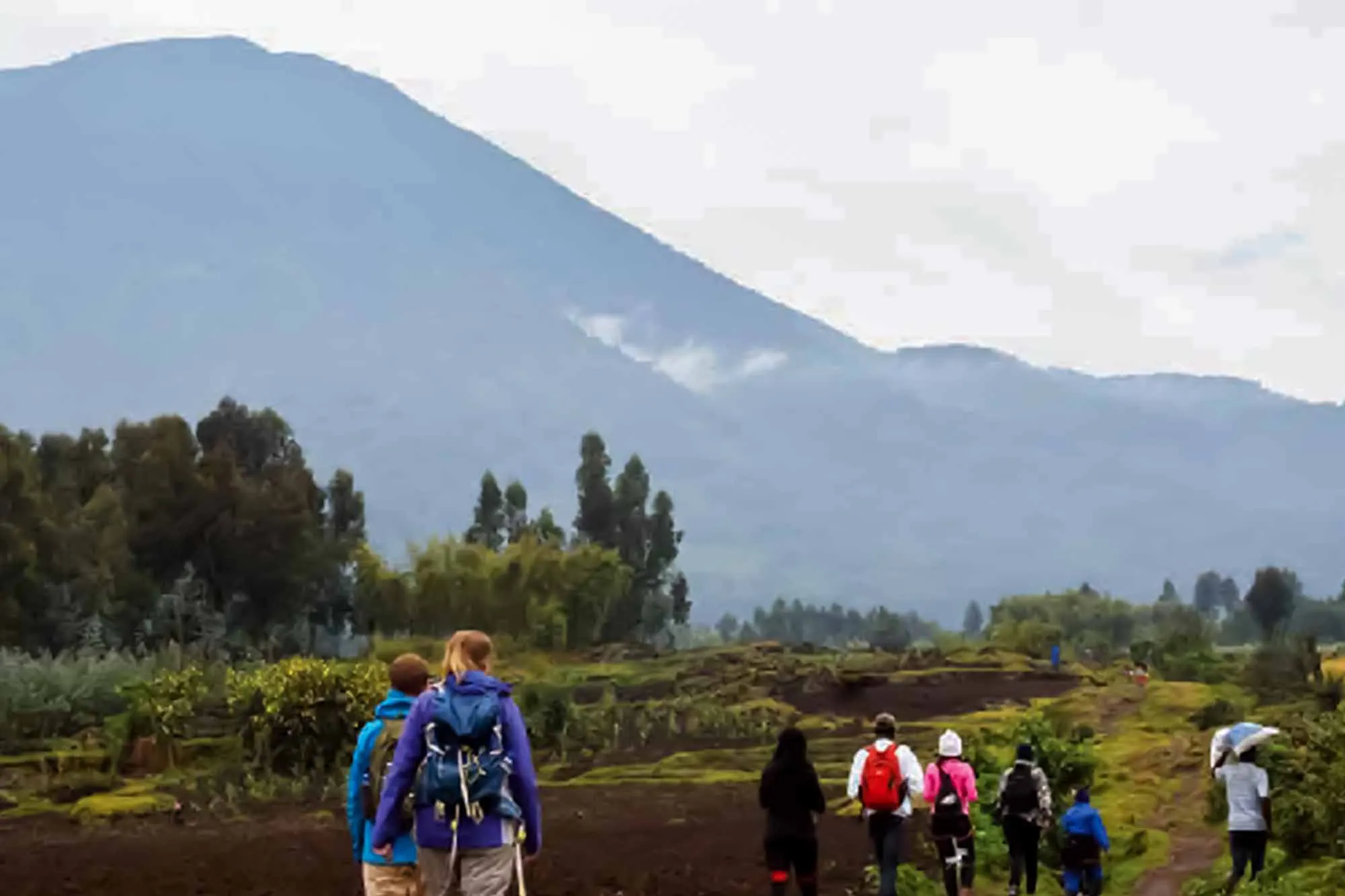
Preparing for Volcanoes National Park trekking
Gorilla trekking is an unforgettable wildlife experience, but many first-time travelers wonder whether they are physically prepared for the adventure. This Gorilla Trekking Fitness Guide for beginners explains how new trekkers can build confidence, improve endurance, and prepare their bodies for the unique demands of walking through tropical forests.
Beginners do not need to be professional athletes or experienced hikers to participate in gorilla trekking. However, having a reasonable level of fitness makes the experience more comfortable and enjoyable. The trek may involve several hours of walking, steep sections, uneven trails, muddy paths, and changing weather conditions.
A beginner-friendly preparation plan should focus on gradual improvement. Walking regularly, strengthening important muscles, practicing outdoor activities, and understanding what to expect during the trek are essential steps toward successful preparation.
Can Beginners Do Gorilla Trekking?
Many first-time travelers successfully complete gorilla trekking every year. Previous hiking experience is helpful but not required. The most important factor is preparing your body before the trip and choosing a trekking experience that matches your ability.
Gorilla trekking groups are organized with guidance from experienced park staff who understand the different fitness levels of visitors. Communicating your ability level helps guides provide appropriate support during the adventure.
Beginners should approach gorilla trekking as an achievable outdoor experience that requires preparation rather than extreme athletic ability.
Understanding the Challenges Beginners May Experience
First-time trekkers may find certain parts of the journey challenging because rainforest environments are different from normal walking conditions. Trails can include slippery ground, thick vegetation, hills, and areas requiring careful movement.
The unpredictable location of gorilla families means trekking distances can vary. Some visitors may complete shorter walks, while others may spend more time exploring the forest before reaching the gorillas.
Understanding these challenges before traveling allows beginners to prepare realistically and approach the experience with confidence.
Beginner Walking Training Before Gorilla Trekking
Walking should be the foundation of every beginner’s Gorilla Trekking Fitness Plan. Since trekking involves extended movement, regular walking helps your body adapt gradually.
Start with comfortable walks several times each week. As your fitness improves, increase distance, introduce hills, and practice walking on different surfaces.
Outdoor walking is especially valuable because it helps prepare your balance, coordination, and confidence before entering a forest environment.
Simple Strength Exercises for Beginner Trekkers
Beginners should include basic strength exercises because gorilla trekking requires strong legs and good stability. Strong muscles make climbing, walking, and maintaining balance easier.
Exercises such as squats, lunges, step-ups, and planks help strengthen the muscles used during trekking. These exercises can be performed at home without complicated equipment.
The goal is developing functional strength that supports real trekking movements rather than focusing on extreme workouts.
Building Beginner Cardio Fitness for Gorilla Trekking
Cardiovascular endurance helps beginners maintain energy throughout the trek. Activities such as walking, cycling, swimming, and stair climbing improve the body’s ability to handle longer periods of movement.
A beginner should increase activity gradually. Sudden intense workouts shortly before traveling can lead to unnecessary tiredness instead of improving preparation.
A consistent cardio routine several weeks before departure creates a stronger foundation for the adventure.
Preparing Mentally as a First-Time Gorilla Trekker
Mental preparation is just as important as physical preparation. Beginners should understand that every gorilla trek is different because nature determines the experience.
Weather conditions, forest terrain, and gorilla movements can change daily. Remaining patient and positive allows travelers to appreciate the entire journey.
The forest walk itself is part of the adventure, not just the final gorilla encounter.
What Beginners Should Expect During the Trek
A typical gorilla trekking day begins with a briefing where guides explain safety rules, trekking procedures, and expectations. Afterward, visitors enter the forest with experienced trackers.
The duration of the trek depends on the location of the gorilla family. Some journeys may be shorter, while others may require several hours of walking.
Beginners should carry essential items and prepare for changing conditions. Our gorilla trekking schedule guide explains how the trekking day is organized.
Choosing the Right Equipment for Beginner Trekkers
Proper equipment makes a major difference for beginners. Comfortable hiking boots, suitable clothing, rain protection, and a lightweight backpack improve safety and comfort.
New trekkers should avoid wearing unsuitable footwear or carrying unnecessary items because these can increase fatigue during the walk.
A complete preparation checklist helps beginners understand what they need before entering the forest. Our gorilla trekking packing guide explains important clothing and equipment choices.
Beginner Fitness Timeline Before Gorilla Trekking
The amount of preparation time depends on your current fitness level. Someone who already walks regularly may need less preparation, while someone with limited activity should begin earlier.
A gradual timeline allows beginners to improve endurance, build strength, and become comfortable with longer walking sessions.
Starting early reduces pressure and allows the body to adapt naturally before the safari.
Common Beginner Mistakes Before Gorilla Trekking
One common mistake is assuming that no preparation is needed. Although many people can complete gorilla trekking, preparation improves the overall experience.
Another mistake is focusing only on walking while ignoring strength, flexibility, and recovery. A balanced approach prepares the entire body.
Beginners should also avoid purchasing new hiking shoes immediately before the trek. Comfortable footwear should be tested before travel.
Fitness Tips for Older Beginner Trekkers
Older travelers can participate in gorilla trekking with appropriate preparation and realistic planning. Fitness preparation should focus on mobility, endurance, balance, and comfort.
Discussing your ability level with your tour operator helps ensure suitable arrangements. Support options such as porters can also make the experience more manageable.
Understanding your personal limits allows you to enjoy the adventure safely and confidently.
Preparing for Uganda and Rwanda Gorilla Trekking as a Beginner
Beginners visiting Uganda or Rwanda should understand that each destination offers a unique trekking environment. Forest conditions, terrain, and altitude can influence the physical experience.
Learning about destination differences helps travelers prepare appropriately. Our Rwanda gorilla trekking guide provides information about preparing for Volcanoes National Park.
For Uganda experiences, understanding the physical demands of Bwindi and other trekking locations helps beginners plan effectively.
Nutrition and Hydration Tips for Beginner Trekkers
Proper nutrition supports energy levels during preparation and on trekking day. Beginners should maintain balanced meals and drink enough water before physical activities.
During trekking, carrying water and small energy snacks helps maintain strength during longer walks.
Good preparation includes caring for your body before, during, and after the adventure.
Final Thoughts on Gorilla Trekking Fitness for Beginners
Gorilla trekking is achievable for beginners who prepare properly. A combination of walking practice, strength exercises, cardio training, suitable equipment, and a positive mindset creates the foundation for a successful experience.
The goal of beginner fitness preparation is not becoming an expert athlete but developing enough endurance and confidence to enjoy the journey through the forest.
Travelers can also explore additional preparation information through our Uganda gorilla trekking guide, our gorilla trekking requirements guide, and our gorilla trekking and hiking adventure guide.
Gorilla Trekking Fitness for Older Travelers: Complete Preparation Guide

Beginner-friendly trekking fitness guide
Gorilla trekking is an unforgettable wildlife experience that can be enjoyed by travelers of different ages, including older visitors who prepare properly. While age alone does not determine whether someone can participate, physical preparation, realistic planning, and understanding the trekking conditions are important for a comfortable and rewarding adventure.
A Gorilla Trekking Fitness Guide for older travelers should focus on improving endurance, maintaining mobility, strengthening important muscles, and preparing the body for walking through forest environments. Mountain gorilla trekking involves natural terrain that may include hills, uneven trails, muddy sections, and changing weather conditions.
Older travelers do not need to become professional hikers before their safari. Instead, the goal is to develop enough fitness, confidence, and stamina to enjoy the forest journey and the incredible opportunity to observe mountain gorillas in their natural habitat.
Can Older Travelers Do Gorilla Trekking?
Many older travelers successfully complete gorilla trekking experiences every year. The most important factors are overall health, physical readiness, and proper preparation before the trip.
Gorilla trekking is not based only on age. Fitness level, walking ability, previous outdoor experience, and personal comfort with physical activity are more important factors when determining readiness.
Older visitors should discuss their plans with their travel provider and prepare according to their own abilities. Understanding the trekking environment before departure helps create realistic expectations.
Understanding the Physical Demands for Older Gorilla Trekkers
The physical demands of gorilla trekking come mainly from walking through natural forest environments. Trekkers may encounter slopes, thick vegetation, uneven ground, and changing weather conditions.
The distance covered during the trek varies depending on where the gorilla family is located. Some visitors may have a shorter walk, while others may spend several hours exploring the forest.
Older travelers who improve their endurance and mobility before the safari are usually better prepared for these conditions.
Building Endurance Before Gorilla Trekking
Endurance training is one of the most valuable preparation activities for older travelers. Regular walking helps improve stamina and allows the body to adapt gradually to longer periods of activity.
Begin with comfortable walking distances and slowly increase duration. Walking on gentle hills or natural paths can help prepare the body for forest terrain.
Consistent preparation is more effective than attempting difficult workouts shortly before travel.
Strength Training for Older Gorilla Trekkers
Strength training helps maintain the muscle power needed for walking, climbing, and maintaining balance. Older travelers should focus on functional strength rather than intense exercise programs.
Simple movements such as controlled squats, step-ups, and gentle leg strengthening exercises can support trekking preparation.
Strong legs and a stable core improve confidence when moving through uneven forest environments.
Mobility and Flexibility Preparation
Mobility is especially important for older travelers because comfortable movement helps reduce physical strain during trekking activities.
Stretching exercises focused on the legs, hips, and lower back can improve movement quality and support better walking ability.
Regular mobility practice before the safari helps prepare joints and muscles for outdoor activity.
Choosing the Right Gorilla Trekking Experience
Not all gorilla trekking experiences have the same level of difficulty. Trail conditions, gorilla locations, and terrain can influence how demanding the trek becomes.
Older travelers should communicate their fitness level when arranging their safari. Tour operators can provide guidance and help select suitable options based on individual needs.
Understanding differences between destinations is also useful. The Uganda and Rwanda gorilla trekking comparison guide explains how different destinations vary in accessibility and trekking conditions.
Using Porters During Gorilla Trekking
Porters provide valuable support during gorilla trekking, especially for travelers who want assistance carrying equipment or additional support on challenging sections of the trail.
Using a porter can make the experience more comfortable by reducing the physical burden of carrying personal items such as water, cameras, and rain gear.
Many travelers find that porter assistance allows them to focus more on enjoying the forest experience.
Preparing Equipment for Older Gorilla Trekkers
Proper equipment improves comfort and safety for older travelers. Comfortable hiking boots, suitable clothing, rain protection, and a lightweight backpack are important preparation items.
Footwear with good support is especially important because forest trails can become slippery or uneven depending on weather conditions.
The gorilla trekking packing and clothing guide explains important equipment choices for travelers preparing for rainforest conditions.
Mental Preparation for Older Gorilla Trekkers
Mental preparation is equally important as physical preparation. Gorilla trekking requires patience because nature determines how long the search for gorillas may take.
Older travelers should approach the experience with flexibility and appreciation for the entire journey, including the forest walk, wildlife surroundings, and cultural experiences.
A positive attitude helps transform physical challenges into memorable adventure moments.
Health and Wellness Preparation Before Gorilla Trekking
Older travelers should prioritize overall wellness before their safari. Good sleep, proper nutrition, hydration, and gradual exercise all contribute to better trekking readiness.
Travelers with concerns about physical activity should seek professional medical advice before undertaking demanding outdoor activities.
Starting preparation early provides enough time to improve fitness gradually and comfortably.
What Older Travelers Should Expect on Trekking Day
The trekking day usually begins with a briefing where guides explain safety procedures and trekking expectations. Visitors then enter the forest with experienced trackers.
The duration of the trek depends on the location of the gorilla family. Some treks may be completed within a shorter period, while others may require more walking.
The gorilla trekking schedule guide provides information about how the trekking day is organized and what visitors should expect.
Nutrition and Hydration for Older Trekkers
Proper nutrition supports energy levels during preparation and on trekking day. Older travelers should maintain balanced meals that provide enough energy for physical activity.
Hydration is also important because forest conditions can involve humidity and extended periods of walking.
Carrying enough drinking water and suitable snacks helps maintain energy throughout the experience.
Combining Gorilla Trekking With Other Activities
Many older travelers combine gorilla trekking with additional safari or nature experiences. However, activity planning should consider recovery time and personal fitness levels.
Combining activities carefully creates a more enjoyable and comfortable travel experience.
The volcano hiking and gorilla trekking guide explains how combined adventure activities require appropriate preparation and planning.
Common Mistakes Older Travelers Should Avoid
One common mistake is underestimating the importance of preparation. Even active older travelers benefit from specific training before entering forest environments.
Another mistake is carrying unnecessary equipment. A lighter backpack reduces fatigue and improves comfort.
Travelers should also avoid comparing themselves with younger trekkers because everyone experiences the forest differently.
Final Thoughts on Gorilla Trekking Fitness for Older Travelers
Older travelers can successfully enjoy gorilla trekking with proper preparation, realistic expectations, and suitable planning. The most important preparation areas include endurance, strength, mobility, equipment selection, and mental readiness.
The purpose of fitness preparation is not to achieve athletic performance but to create enough confidence and comfort to enjoy one of Africa’s most extraordinary wildlife encounters.
For additional preparation information, the Rwanda gorilla trekking guide provides useful details about trekking conditions, planning, and visitor expectations.
Gorilla Trekking Fitness Exercises: Complete Workout Guide for Trekking Success
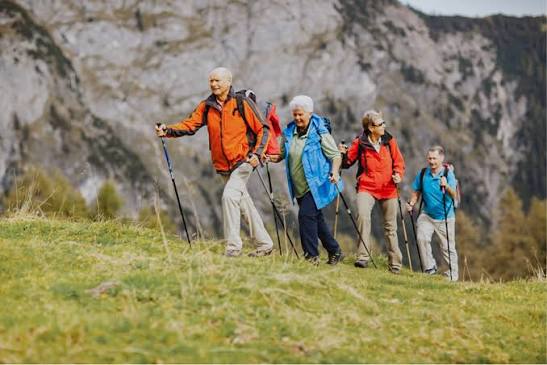
Fitness preparation for older trekkers
Preparing your body with the right gorilla trekking fitness exercises is one of the most effective ways to improve your experience during a mountain gorilla trekking adventure. Although gorilla trekking is not a competitive sport, it requires endurance, strength, balance, and mental readiness because visitors walk through forests, climb slopes, and navigate natural terrain.
A proper Gorilla Trekking Fitness Guide should include exercises that improve walking ability, strengthen important muscles, and prepare the body for long periods of outdoor activity. The best training approach focuses on practical movements that match the real demands of trekking.
Whether you are preparing for Bwindi Impenetrable National Park in Uganda or Volcanoes National Park in Rwanda, a consistent fitness routine can make your journey more comfortable. Understanding the destination and trekking expectations through our Uganda gorilla trekking safari guide helps travelers prepare effectively before departure.
Why Gorilla Trekking Fitness Exercises Are Important
Gorilla trekking involves more than normal walking. Visitors may spend several hours moving through rainforest environments where trails can include steep sections, muddy paths, thick vegetation, and uneven surfaces.
Fitness exercises help your body adapt to these conditions by improving muscle endurance, cardiovascular capacity, and overall movement ability.
The purpose of training is not to become an athlete but to develop enough physical preparation to enjoy the experience without unnecessary fatigue.
Walking Exercises for Gorilla Trekking Preparation
Walking is the most important exercise for anyone preparing for gorilla trekking because it directly matches the main activity during the adventure.
Begin with regular walks and gradually increase the distance and duration. As your fitness improves, include hills, stairs, and outdoor trails to simulate trekking conditions.
Long walks improve stamina and teach your body how to maintain energy over extended periods.
Hiking Exercises for Gorilla Trekking Fitness
Hiking is one of the best gorilla trekking fitness exercises because it combines endurance, balance, climbing ability, and outdoor movement.
Practicing hiking before your safari helps your body adapt to natural terrain and changing conditions.
Travelers planning challenging adventures can also learn from our volcano hiking and gorilla trekking guide, which explains preparation requirements for combined outdoor experiences.
Squats for Stronger Gorilla Trekking Legs
Squats strengthen the major muscles used during trekking, including the thighs, hips, and glutes. These muscles support climbing, walking, and maintaining stability on uneven ground.
Beginners can start with bodyweight squats before increasing difficulty. Proper technique is more important than the number of repetitions.
Regular squat exercises improve leg endurance and make uphill walking easier.
Lunges for Balance and Trail Stability
Lunges are valuable exercises for gorilla trekking because they improve single-leg strength and balance. Forest trails often require careful movement where every step may involve uneven surfaces.
Forward lunges, reverse lunges, and walking lunges can help prepare the muscles needed for trekking movements.
Improved balance reduces difficulty when walking through challenging sections of the forest.
Step-Up Exercises for Mountain Trekking
Step-up exercises closely imitate the movement required when climbing hills and stepping over obstacles during gorilla trekking.
Using a stable platform, travelers can practice controlled movements that strengthen the legs and improve coordination.
Step-ups are especially useful for travelers who cannot regularly access hiking trails.
Core Exercises for Gorilla Trekking Balance
A strong core supports posture, balance, and body control during outdoor activities. Gorilla trekking requires stability when walking on slopes and uneven paths.
Exercises such as planks, side planks, and controlled abdominal movements strengthen the muscles responsible for stability.
Core training improves comfort when carrying a backpack during long trekking sessions.
Cardio Exercises for Gorilla Trekking Endurance
Cardiovascular exercises improve your ability to maintain energy during long forest walks. Activities such as cycling, swimming, stair climbing, and brisk walking strengthen endurance.
Cardio training should increase gradually. The goal is building stamina rather than exhausting the body before the trip.
A balanced cardio routine helps travelers handle unpredictable trekking distances.
Flexibility Exercises Before Gorilla Trekking
Flexibility and mobility exercises help prepare joints and muscles for outdoor movement. Stretching improves comfort and supports better movement during long walks.
Focus on areas commonly used during trekking, including the legs, hips, calves, and lower back.
Regular stretching can also support recovery after training sessions.
Strength Training With a Backpack
Practicing with a lightweight backpack helps simulate actual trekking conditions. Visitors often carry water, cameras, rain jackets, and personal items during the trek.
Walking with a backpack allows your body to adapt gradually to carrying additional weight.
Avoid carrying unnecessary items because extra weight increases fatigue.
Beginner Gorilla Trekking Exercise Routine
Beginners should start with simple exercises and gradually increase intensity. A good routine combines walking, basic strength movements, and stretching.
Consistency is more important than difficult workouts. Regular preparation creates better results than occasional intense training.
First-time travelers can also review our Rwanda gorilla trekking guide to understand the environment they are preparing for.
Advanced Gorilla Trekking Fitness Exercises
Experienced hikers can increase training difficulty by adding longer hikes, steeper climbs, and more challenging strength exercises.
Advanced preparation should still include recovery because arriving tired can reduce enjoyment during the safari.
The objective is improving endurance and confidence, not overtraining.
Recovery Exercises After Training
Recovery is an important part of any Gorilla Trekking Fitness Training Plan. Stretching, hydration, and rest allow muscles to repair and improve.
Light walking and mobility exercises can help maintain flexibility during recovery periods.
Balanced training and recovery produce better preparation results.
Common Mistakes When Doing Gorilla Trekking Exercises
One common mistake is focusing only on cardio while ignoring strength and balance. Trekking requires different physical abilities working together.
Another mistake is beginning intense exercise shortly before departure. The body needs time to adapt gradually.
Travelers should also avoid testing new equipment during the final days before trekking.
Final Thoughts on Gorilla Trekking Fitness Exercises
The right gorilla trekking fitness exercises prepare your body for endurance, strength, balance, and outdoor movement. Walking, hiking, strength training, cardio exercises, and flexibility work together to create complete preparation.
A well-prepared traveler can focus more on the incredible experience of observing mountain gorillas instead of struggling with physical challenges.
For additional preparation advice, the gorilla trekking packing and clothing guide explains how equipment choices support physical comfort during the trek.
Gorilla Trekking Fitness Checklist: Complete Physical Preparation Guide
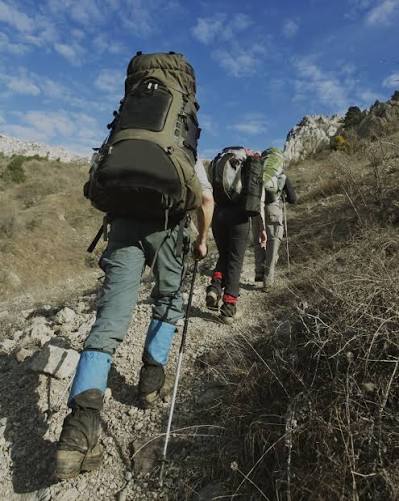
Complete trekking fitness workout guide
A Gorilla Trekking Fitness Checklist helps travelers understand the essential physical preparation required before taking part in a mountain gorilla trekking adventure. While gorilla trekking is accessible to many people with different fitness levels, preparing your body improves comfort, confidence, and enjoyment during the experience.
Gorilla trekking involves walking through rainforest environments, climbing slopes, navigating uneven trails, and spending several hours outdoors. A proper preparation checklist ensures that travelers focus on the most important areas, including endurance, strength, mobility, equipment preparation, and mental readiness.
Before starting your preparation, understanding the trekking environment is important. The Uganda gorilla trekking safari guide provides useful background information about the destination, trekking experience, and what visitors should expect.
Assess Your Current Fitness Level Before Gorilla Trekking
The first step in any Gorilla Trekking Fitness Checklist is understanding your current physical condition. Knowing your strengths and areas that need improvement helps create a realistic preparation plan.
Ask yourself important questions such as how comfortable you are with long walks, hills, outdoor activities, and carrying a backpack.
A fitness assessment does not mean you need to be an athlete. It simply helps you identify the level of preparation required before your trip.
Build Walking Endurance Before Your Gorilla Trek
Walking endurance is one of the most important preparation areas because trekking involves continuous movement through natural environments.
Start with regular walks and gradually increase distance and duration. Include different surfaces such as hills, trails, and uneven paths whenever possible.
Walking practice helps your body adapt to the physical demands of spending several hours in the forest.
Improve Leg Strength for Gorilla Trekking
Strong legs provide the foundation for successful gorilla trekking. The legs support climbing, walking, balancing, and moving through challenging terrain.
Include exercises such as squats, lunges, step-ups, and calf raises in your preparation routine.
Functional leg strength improves comfort and reduces fatigue during long trekking sessions.
Strengthen Your Core for Better Trekking Balance
Core strength is an important part of physical preparation because it helps maintain stability while walking on uneven ground.
A strong core supports posture, improves balance, and helps your body remain stable when carrying trekking equipment.
Simple exercises such as planks and controlled core movements can significantly improve trekking readiness.
Include Cardio Training in Your Fitness Checklist
Cardiovascular endurance allows your body to maintain energy during long walks and uphill sections. It is one of the most important elements of a complete gorilla trekking preparation plan.
Recommended activities include brisk walking, hiking, cycling, swimming, and stair climbing.
Gradually increasing cardio activity helps your body become more efficient and prepared for outdoor challenges.
Practice Hiking Before Your Gorilla Trekking Safari
Hiking practice provides realistic preparation because it combines endurance, strength, balance, and outdoor movement.
Whenever possible, practice hiking on natural trails that include slopes and uneven surfaces. This helps your body adjust to conditions similar to rainforest trekking.
Travelers planning combined adventures can also review the volcano hiking and gorilla trekking guide for information about preparing for demanding outdoor activities.
Prepare Your Flexibility and Mobility
Flexibility allows your body to move comfortably during trekking activities. Mobility exercises prepare joints and muscles for walking, climbing, and changing positions.
Focus on stretching the hips, legs, calves, and lower back because these areas experience significant movement during trekking.
Regular mobility exercises also support recovery after training sessions.
Choose and Test Your Trekking Equipment
Equipment preparation is an important part of the Gorilla Trekking Fitness Checklist. The right equipment improves comfort and reduces physical stress during the adventure.
Important items include comfortable hiking boots, suitable clothing, rain protection, and a lightweight backpack.
The gorilla trekking packing and clothing guide explains essential equipment choices for different trekking conditions.
Practice Walking With a Backpack
Many travelers carry personal items during gorilla trekking, including water, cameras, snacks, and rain gear. Practicing with a backpack before the trip helps your body adjust.
Start with a lightweight backpack and increase gradually if needed.
Avoid carrying unnecessary items because extra weight increases fatigue during long walks.
Prepare for Different Weather Conditions
Rainforest weather can change quickly, and travelers should prepare for humidity, rain, and cooler forest conditions.
Training outdoors in different conditions helps improve adaptability and confidence.
Proper clothing and preparation allow visitors to remain comfortable throughout the trekking experience.
Maintain Proper Nutrition During Preparation
Good nutrition supports energy, recovery, and overall fitness improvement. A balanced diet helps your body respond effectively to training.
Focus on regular meals, enough protein, carbohydrates for energy, and proper hydration.
Good preparation includes taking care of your body before arriving at the destination.
Allow Enough Time for Preparation
A common mistake among travelers is beginning preparation too late. Fitness improvements happen gradually, and the body needs time to adapt.
Starting several weeks before your safari allows you to improve endurance and strength without unnecessary pressure.
A gradual approach creates better results than intense last-minute workouts.
Prepare Mentally for the Gorilla Trekking Experience
Mental preparation is just as important as physical preparation. Gorilla trekking is a natural experience where conditions can change unexpectedly.
Visitors should remain patient and understand that the journey through the forest is part of the adventure.
A positive mindset allows travelers to appreciate every part of the experience.
Understand Trekking Duration and Expectations
The length of a gorilla trek depends on the location of gorilla families and daily forest conditions.
Some visitors complete shorter walks while others may spend several hours searching for gorillas.
The gorilla trekking timing guide explains how trekking days are organized and what visitors should expect.
Common Gorilla Trekking Fitness Preparation Mistakes
One mistake is training only one area of fitness. Successful trekking requires a combination of endurance, strength, flexibility, and balance.
Another mistake is ignoring recovery. Rest days are important because they allow muscles to repair and become stronger.
Travelers should also avoid using new equipment immediately before trekking because comfort and reliability are important.
Final Gorilla Trekking Fitness Checklist Before Departure
Before leaving for your safari, confirm that you have practiced walking, improved your endurance, prepared your equipment, and allowed enough recovery time.
Review your clothing, footwear, travel plans, and physical readiness to ensure a smooth experience.
For additional destination preparation information, the Rwanda gorilla trekking guide provides useful information about trekking conditions and planning.
Gorilla Trekking Fitness Training Plan: 30-Day Preparation Guide
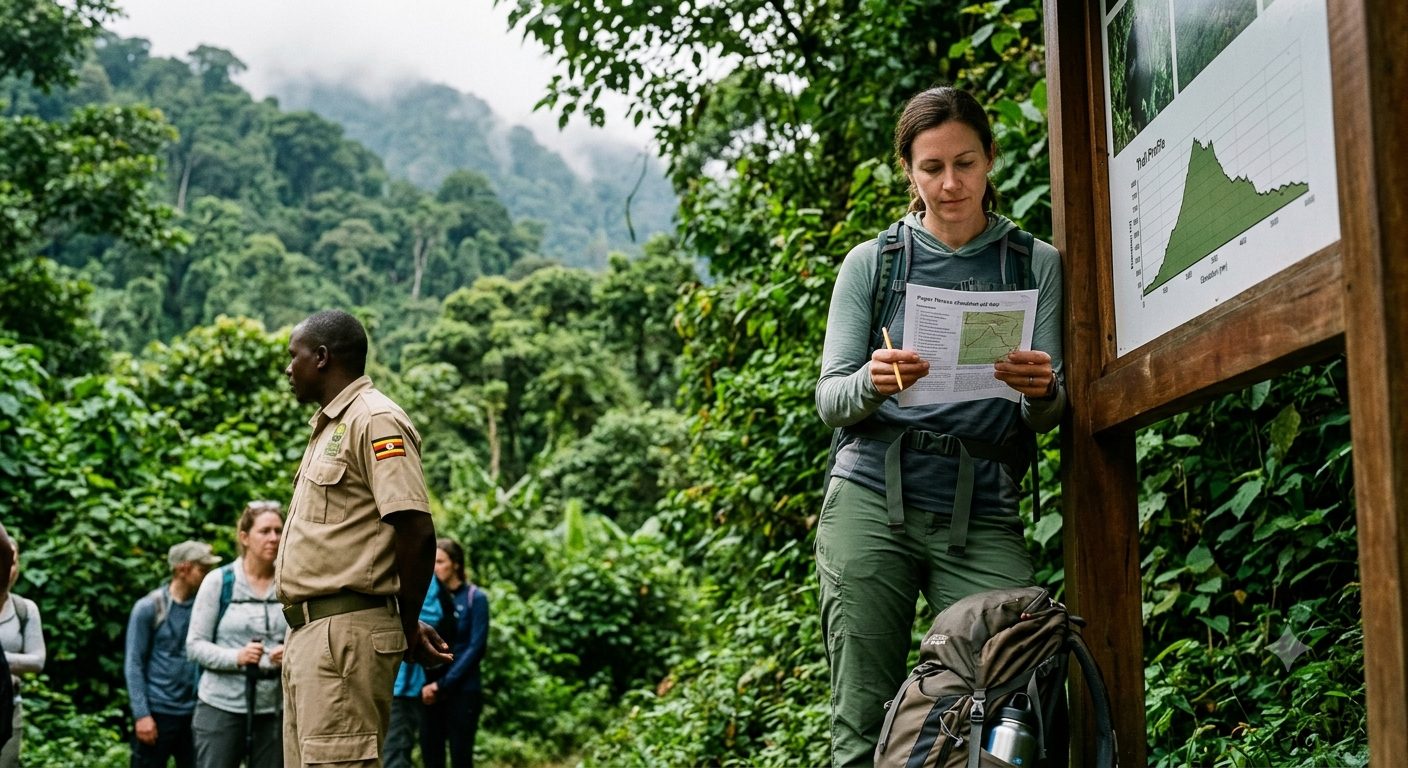
Essential trekking preparation checklist
A structured Gorilla Trekking Fitness Training Plan helps travelers prepare their bodies for the physical demands of mountain gorilla trekking. Unlike ordinary sightseeing activities, gorilla trekking involves walking through tropical forests, climbing hills, navigating uneven terrain, and spending several hours outdoors in changing weather conditions.
A 30-day preparation program is suitable for travelers who want to improve their endurance, strength, balance, and confidence before their safari. The goal is not to become a professional athlete but to build enough physical ability to comfortably complete the trek and enjoy the incredible experience of seeing mountain gorillas in their natural habitat.
Before starting your training, it is important to understand the actual demands of the activity. Gorilla trekking fitness requirements vary depending on the location of gorilla families, trail conditions, altitude, and the length of the trek. Our Uganda gorilla trekking safari guide explains why fitness preparation is an important part of planning your adventure.
Why Follow a 30-Day Gorilla Trekking Fitness Training Plan?
Many travelers underestimate the physical preparation needed for gorilla trekking. Although people with different fitness levels can participate, proper preparation improves comfort, reduces fatigue, and increases confidence during the journey.
A 30-day plan provides enough time for gradual improvement. Instead of making sudden changes to your routine, you can slowly increase walking distance, strengthen important muscles, and improve your cardiovascular endurance.
The most effective preparation combines walking practice, strength exercises, mobility training, and recovery periods.
Week One: Building Your Fitness Foundation
The first week focuses on creating a consistent exercise routine. Beginners should concentrate on comfortable activities that prepare the body for increased movement.
Start with regular walking sessions several times during the week. Include gentle hills or stairs if possible because gorilla trekking often involves elevation changes.
During this stage, the main goal is creating consistency and allowing your body to adapt to increased activity levels.
Week One Strength Exercises for Gorilla Trekking
Strength training during the first week should focus on basic movements. Exercises such as bodyweight squats, step-ups, and gentle lunges help prepare the legs for hiking activities.
Core exercises are also useful because a strong core improves balance and stability when walking on uneven forest trails.
Perform exercises carefully and focus on correct movement rather than intensity.
Week Two: Increasing Gorilla Trekking Endurance
During the second week, gradually increase the duration of your walking and cardio activities. Longer walks help your body prepare for the possibility of spending several hours in the forest.
Introduce more challenging routes with slopes or uneven surfaces. This helps simulate the natural conditions experienced during gorilla trekking.
Travelers should continue strength exercises while allowing enough recovery time between training sessions.
Week Two Cardio Training for Gorilla Trekking
Cardio training improves the body’s ability to maintain energy during long trekking sessions. Activities such as walking, cycling, swimming, and stair climbing can improve endurance.
The objective is improving stamina rather than completing extremely difficult workouts.
A balanced cardio routine helps travelers handle long forest walks more comfortably.
Week Three: Improving Strength and Stability
The third week focuses on improving functional strength. Gorilla trekking requires the ability to step over obstacles, maintain balance, climb slopes, and move carefully through natural environments.
Increase the difficulty of strength exercises gradually. Add more repetitions or slightly longer sessions while maintaining proper form.
Strong legs, hips, and core muscles provide important support during trekking.
Advanced Preparation Activities During Week Three
Travelers who already have good fitness levels can include longer outdoor walks or hiking sessions during this stage.
Practicing with a small backpack can help simulate the experience of carrying personal items such as water, cameras, and rain gear.
Outdoor preparation provides valuable experience because real forest environments differ from indoor workouts.
Week Four: Final Gorilla Trekking Fitness Preparation
The final week should focus on maintaining fitness while allowing the body to recover before travel. Avoid exhausting workouts immediately before departure.
Continue light walking, stretching, and mobility exercises to keep your body active.
The objective during the final week is arriving at your destination feeling strong, rested, and prepared.
Flexibility and Mobility Training Before Gorilla Trekking
Flexibility training supports comfortable movement and helps prepare joints and muscles for outdoor activity.
Stretching exercises for the legs, hips, and back can improve mobility and reduce stiffness during long walking periods.
Mobility training is especially useful for travelers who spend most of their time sitting or have limited outdoor activity.
Preparing for Different Gorilla Trekking Difficulty Levels
Not every gorilla trek has the same physical difficulty. Some trails may be shorter and easier, while others involve longer walks through challenging terrain.
Fitness preparation should consider the destination and trekking location. Uganda’s Bwindi Impenetrable National Park and Rwanda’s Volcanoes National Park provide different trekking experiences.
Our Uganda versus Rwanda gorilla trekking comparison guide explains differences in terrain, accessibility, and fitness requirements.
Nutrition During Your Gorilla Trekking Training Plan
Proper nutrition supports energy levels during your 30-day preparation period. A balanced diet helps the body recover after workouts and build strength.
Travelers should focus on regular meals, sufficient hydration, and foods that provide steady energy.
Good nutrition before the safari helps improve overall performance during trekking.
Rest and Recovery During Fitness Preparation
Recovery is an important part of every Gorilla Trekking Fitness Training Plan. Rest allows muscles to repair and become stronger.
Include rest days between demanding workouts and ensure you get enough sleep throughout your preparation period.
Overtraining before a safari can reduce energy levels and affect your enjoyment of the experience.
Preparing Your Trekking Equipment During Training
Training is also the right time to test your trekking equipment. Comfortable hiking boots should be worn before travel to ensure they fit properly.
Practice walking with your backpack and outdoor clothing to identify anything uncomfortable before your safari.
The gorilla trekking packing and clothing guide provides useful information about essential equipment choices.
Common Mistakes During Gorilla Trekking Fitness Preparation
One common mistake is waiting until the last few days before the trip to begin exercising. Fitness improvements require gradual progress.
Another mistake is focusing only on cardio while ignoring strength and flexibility. Gorilla trekking requires a combination of different physical abilities.
Travelers should also avoid pushing their bodies too hard without proper recovery.
Final Week Checklist Before Gorilla Trekking
Before departure, confirm that you are comfortable walking longer distances, your equipment is ready, and your body has recovered from training.
Review important trekking information, understand the daily schedule, and prepare mentally for changing forest conditions.
The gorilla trekking timing guide explains what visitors should expect on the trekking day.
Final Thoughts on the Gorilla Trekking Fitness Training Plan
A 30-day Gorilla Trekking Fitness Training Plan gives travelers a practical way to prepare for one of Africa’s most unforgettable wildlife experiences. By combining endurance training, strength exercises, mobility work, proper nutrition, and recovery, visitors can approach their trek with confidence.
The purpose of preparation is not perfection but readiness. A well-prepared traveler can focus on enjoying the rainforest, appreciating the journey, and creating lasting memories with mountain gorillas.
For travelers combining physical adventures, our volcano hiking and gorilla trekking guide provides additional information about preparing for demanding outdoor experiences.
Gorilla Trekking Fitness Preparation Mistakes to Avoid Before Your Safari
Month-long trekking training schedule
Preparing for gorilla trekking requires proper planning, realistic training, and understanding the physical demands of moving through rainforest environments. Many travelers successfully complete mountain gorilla trekking experiences, but some preparation mistakes can make the journey more difficult than necessary.
A strong Gorilla Trekking Fitness Guide should not only explain what exercises to do but also highlight common mistakes that can affect comfort, confidence, and overall enjoyment. Avoiding these mistakes helps travelers arrive physically prepared and ready to appreciate the incredible experience of observing mountain gorillas in their natural habitat.
Whether you are trekking in Uganda or Rwanda, preparation should include endurance training, strength development, equipment planning, and mental readiness. Understanding the destination before traveling through resources such as the Uganda gorilla trekking safari guide helps visitors create realistic expectations.
Starting Gorilla Trekking Preparation Too Late
One of the biggest mistakes travelers make is waiting until the last few days before their safari to begin fitness preparation. Gorilla trekking requires gradual improvement because the body needs time to adapt to increased activity.
Sudden intense workouts shortly before traveling may cause unnecessary tiredness, muscle soreness, or reduced energy during the actual trek.
A better approach is starting preparation weeks or months before departure, allowing enough time to improve endurance, strength, and confidence naturally.
Focusing Only on Cardio Training
Cardio exercises such as walking, cycling, and swimming are important for gorilla trekking preparation, but focusing only on endurance is a common mistake.
Gorilla trekking also requires strength, balance, and stability because travelers move through uneven forest terrain, climb slopes, and walk on changing surfaces.
A complete Gorilla Trekking Fitness Training Plan should combine cardiovascular exercises with strength training and mobility exercises.
Ignoring Leg Strength Preparation
The legs perform most of the work during gorilla trekking. Weak leg muscles can make climbing, walking, and maintaining balance more challenging.
Many travelers prepare by walking regularly but forget to strengthen the muscles needed for hills and uneven trails.
Exercises such as squats, lunges, step-ups, and calf raises help build the functional strength required for trekking.
Not Practicing Walking on Uneven Terrain
Indoor workouts can improve fitness, but they do not completely prepare the body for natural forest environments.
Gorilla trekking involves muddy paths, forest trails, slopes, and uneven ground. Practicing outdoor walking helps improve balance and confidence.
Travelers should include hiking or trail walking whenever possible before their safari.
Choosing the Wrong Trekking Equipment
Another common mistake is arriving with unsuitable clothing or footwear. The wrong equipment can increase discomfort and make trekking more difficult.
Comfortable hiking boots, weather-appropriate clothing, and proper rain protection are essential for rainforest conditions.
The gorilla trekking packing and clothing guide explains important equipment choices that improve comfort during the trek.
Wearing New Hiking Boots During the Trek
Buying hiking boots shortly before the safari and wearing them for the first time during trekking is a mistake that many travelers make.
New footwear may feel uncomfortable and may not provide the support needed for long walks.
Travelers should test their boots before departure and ensure they are comfortable for extended outdoor activity.
Carrying Too Much Weight During Gorilla Trekking
Many visitors pack unnecessary items and carry heavy backpacks during the trek. Extra weight increases fatigue and makes walking more difficult.
A lightweight backpack containing only essential items allows travelers to move more comfortably.
Important items usually include water, camera equipment, rain protection, and personal necessities.
Ignoring Recovery During Fitness Training
Some travelers believe that training harder always produces better results. However, ignoring recovery can reduce performance and increase tiredness.
Rest days, proper sleep, hydration, and stretching are important parts of preparation.
A balanced training approach allows the body to become stronger while avoiding unnecessary exhaustion.
Not Preparing for Weather Changes
Rainforest environments can experience changing weather conditions throughout the day. Travelers who do not prepare for rain, humidity, or cooler temperatures may find the experience uncomfortable.
Training outdoors and carrying suitable clothing helps improve adaptability.
Understanding trekking conditions before traveling helps visitors prepare correctly.
Underestimating the Importance of Hydration
Proper hydration is essential during gorilla trekking because visitors may spend several hours walking in warm and humid conditions.
Travelers should drink enough water before and during the trek to maintain energy levels.
Hydration should be part of both fitness training and safari preparation.
Ignoring Mental Preparation for Gorilla Trekking
Physical fitness alone does not guarantee a successful trekking experience. Mental preparation is equally important because every trek is different.
Gorilla locations change naturally, and some visitors may walk longer distances than expected before finding a gorilla family.
Patience and a positive mindset help travelers appreciate the complete forest experience.
Comparing Your Fitness With Other Travelers
Another mistake is comparing your physical ability with other trekkers. Gorilla trekking groups often include people with different ages, backgrounds, and fitness levels.
Each traveler should focus on personal preparation and realistic goals.
Proper planning allows people with different abilities to enjoy the adventure.
Ignoring Professional Guidance
Some travelers attempt to plan everything without seeking advice from experienced safari providers or guides.
Professional guidance can help visitors understand trekking conditions, equipment requirements, and suitable preparation methods.
Travelers planning Rwanda experiences can learn more through the Rwanda gorilla trekking guide, which provides useful information about preparation and expectations.
Not Understanding Trek Difficulty Differences
Gorilla trekking difficulty varies depending on location, terrain, weather, and gorilla movement patterns.
Some travelers assume every trek is identical, but different destinations and sectors can provide different physical experiences.
The Uganda and Rwanda gorilla trekking comparison guide explains how trekking experiences may differ between destinations.
Failing to Plan Recovery After Trekking
Many travelers focus only on reaching the gorillas and forget that recovery afterward is also important.
Light stretching, hydration, rest, and proper nutrition help the body recover after a physically demanding day.
Planning recovery time improves the enjoyment of the rest of your safari activities.
Final Gorilla Trekking Fitness Preparation Advice
Avoiding common preparation mistakes helps travelers approach gorilla trekking with greater confidence and comfort. The most successful preparation combines endurance training, strength exercises, proper equipment selection, and realistic expectations.
The goal of fitness preparation is not perfection but readiness. A prepared traveler can focus on the incredible experience of walking through the forest and observing mountain gorillas in their natural environment.
For additional planning information, the gorilla trekking timing guide explains the structure of the trekking day and helps visitors prepare appropriately.
Conclusion
Gorilla trekking is one of Africa’s most rewarding wildlife experiences, and proper preparation makes it even more enjoyable. By avoiding common fitness mistakes, choosing suitable equipment, and building physical confidence before departure, travelers can experience the adventure with comfort and excitement.
A well-prepared traveler is able to appreciate every moment of the journey, from entering the rainforest to experiencing the unforgettable encounter with mountain gorillas.