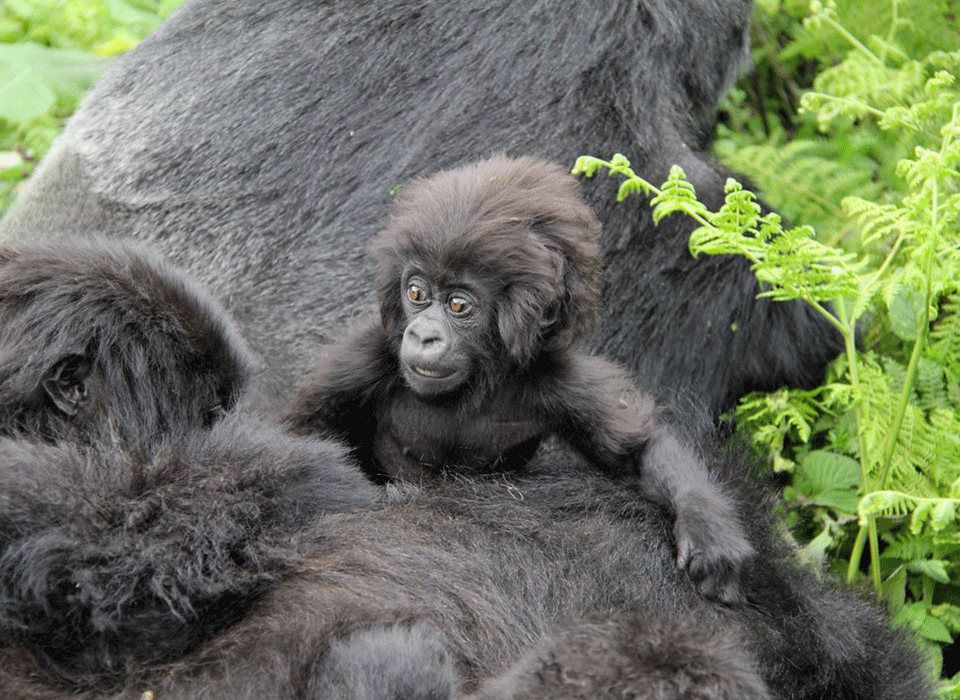
Low-Season Primate Permit Discounts in Uganda
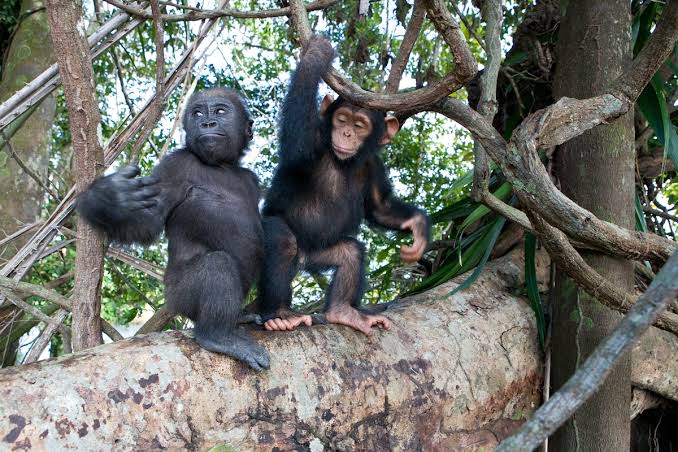
Plan smart. Travel responsibly.
Experience Uganda’s Low-season primate permit discounts
Uganda is one of Africa’s most rewarding destinations for travellers who want to encounter mountain gorillas and chimpanzees in their natural habitats. From the mist-covered slopes of Bwindi Impenetrable National Park to the tropical rainforest of Kibale National Park, the country offers extraordinary primate experiences that can form the centrepiece of an unforgettable holiday.
For travellers watching their budget, the low season deserves special attention. Uganda’s announced 2026 low-season permit promotion covers April, May and November for eligible visitors. When the promotion applies to your visitor category and trekking date, it can reduce the cost of standard gorilla and chimpanzee trekking permits.
However, a discounted permit is not the same as a discounted complete safari. Accommodation, transport, meals, park activities and other services may be charged separately. The best strategy is to confirm the permit tariff first, then build a realistic itinerary around your approved trekking dates.
Use this guide to understand the seasonal offer, compare potential savings, choose suitable primate destinations and prepare a safari that balances affordability, comfort and conservation.
2026 Low-Season Gorilla and Chimpanzee Permit Discount Rates
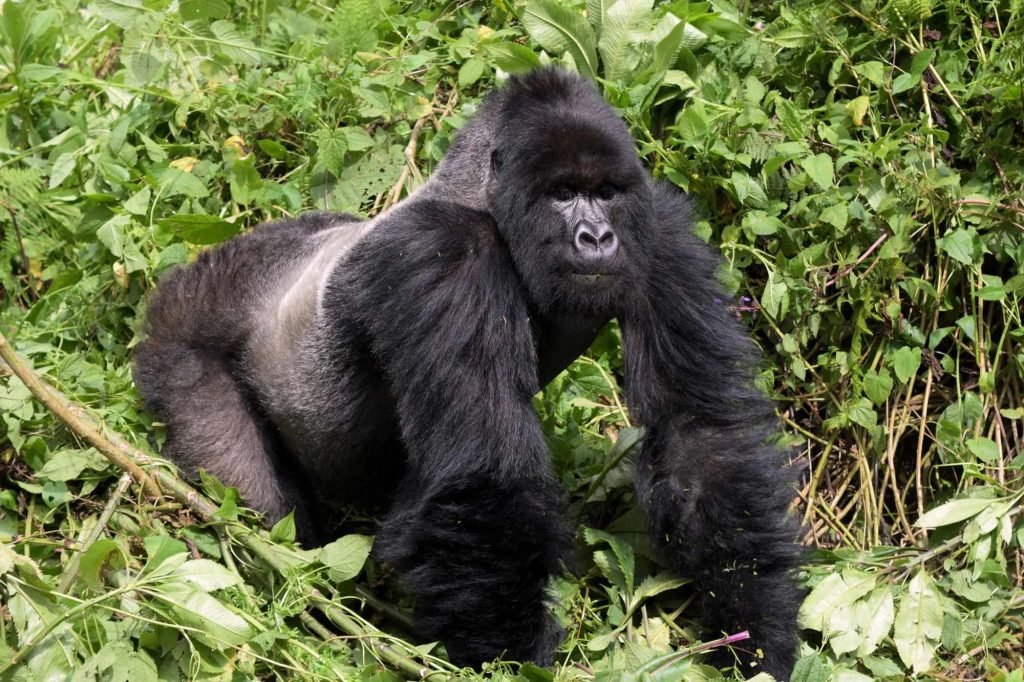
The announced low-season promotion offers reduced rates for eligible foreign non-residents and foreign residents during April, May and November. The following figures are the reported promotional rates for standard trekking permits, not habituation permits.
| Permit type | Visitor category | Reported low-season rate |
|---|---|---|
| Standard gorilla trekking | Foreign non-resident | US$600 |
| Standard gorilla trekking | Foreign resident | US$500 |
| Standard chimpanzee trekking | Foreign non-resident | US$200 |
| Standard chimpanzee trekking | Foreign resident | US$150 |
Rates are subject to confirmation with Uganda Wildlife Authority (UWA). Verify the tariff for your exact trekking date, nationality or residency category, and the type of activity before paying.
Gorilla trekking
US$600
Reported promotional rate for foreign non-residents, per person.
Chimpanzee trekking
US$200
Reported promotional rate for foreign non-residents, per person.
For a detailed explanation of the permit process, visit our Uganda gorilla trekking permit guide and our Kibale National Park guide.
Which Months Qualify for Low-Season Discounts?
The announced promotional months are April, May and November. These months generally fall within Uganda’s wetter periods, making them attractive to flexible travellers who value seasonal savings and lush rainforest scenery.
April
Expect wet forest trails and vivid green landscapes. Allow extra time for transfers and prepare for muddy hiking conditions.
May
A potentially rewarding month for travellers who are comfortable with rain, forest photography and flexible outdoor plans.
November
A green-season option for visitors looking for a quieter atmosphere and a chance to combine primates with other Uganda experiences.
Rainfall varies by region and year. Wet-season travel does not guarantee a shorter trek, easier wildlife sightings or a lower total package price. Check your preferred dates and permit availability before arranging flights and accommodation.
For more seasonal advice, read our guide to the best time for gorilla trekking month by month and learn more about the best time to trek mountain gorillas.
Where to Go Gorilla Trekking in Uganda
Mountain gorilla trekking in Uganda takes place in Bwindi Impenetrable National Park and Mgahinga Gorilla National Park. Both destinations offer guided forest treks, but their landscapes, access routes, accommodation choices and permit availability differ.
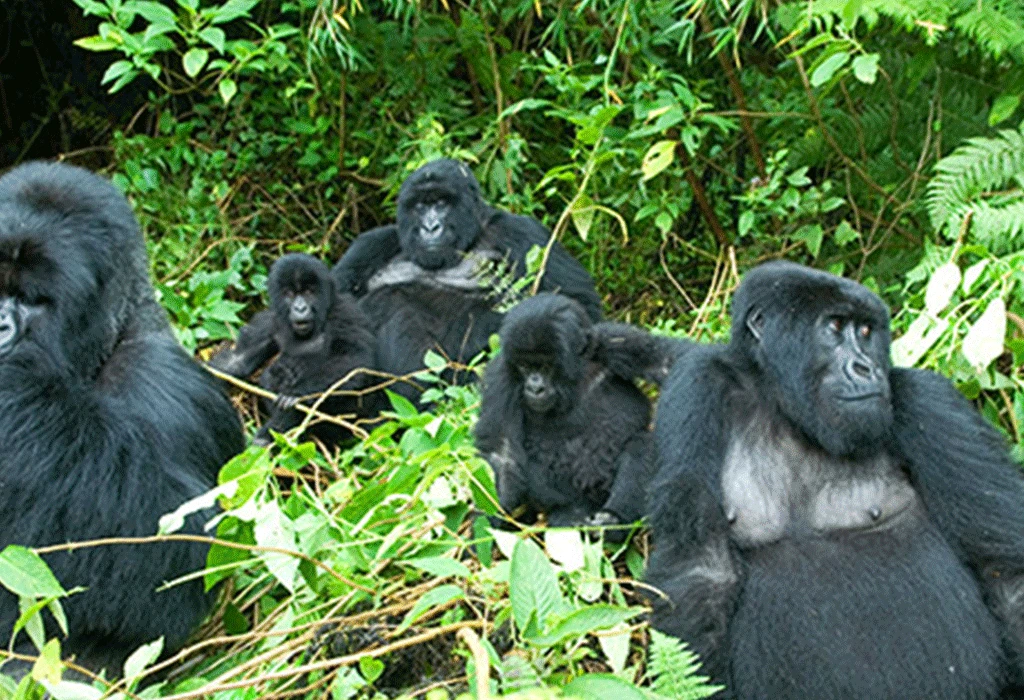
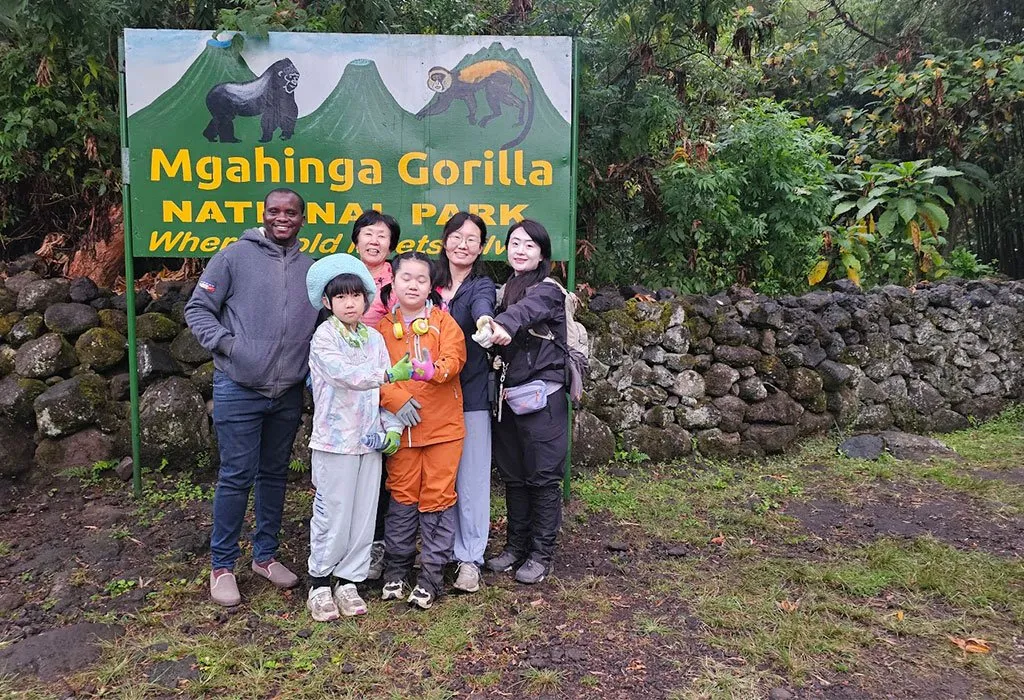 Mgahinga offers gorilla trekking in a dramatic landscape of volcanic slopes and montane forest. It can be a good option for travellers who want to explore the Virunga region, subject to the availability of permits on their preferred dates.
What Does a Gorilla Permit Include?
A standard permit generally authorises one scheduled gorilla tracking experience, including the applicable park entry and guided tracking arrangements under UWA rules. Once the habituated gorilla family is located, visitors are normally allowed up to one hour with the gorillas. Accommodation, transport, meals, porters and personal expenses should be budgeted separately unless your written safari quotation specifically includes them.
Gorilla trekking can be physically demanding. Trails may be steep, slippery and uneven, and the length of the trek depends on the gorillas’ location. Prepare with appropriate footwear, rain protection and drinking water, and consider hiring a porter.
Before choosing your dates, read our practical guide on how to book a Uganda gorilla safari and our guide to gorilla trekking availability in Uganda.
Where to Go Chimpanzee Trekking in Uganda
Chimpanzee trekking complements a gorilla safari by introducing visitors to another of Uganda’s remarkable great apes. The most widely known destination is Kibale National Park, where guided walks enter tropical forest in search of habituated chimpanzee communities.
Kibale National Park
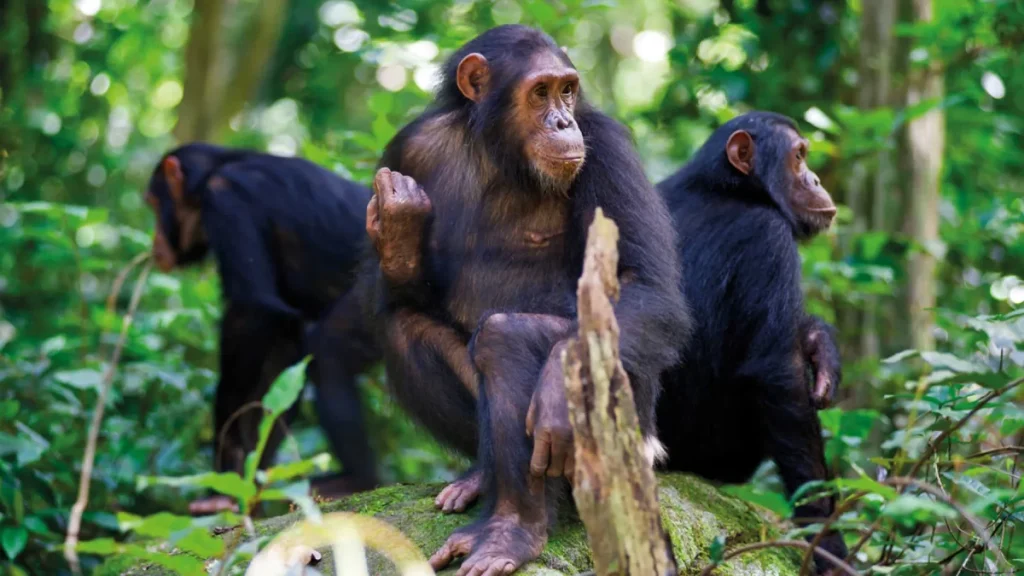
Kibale is a strong choice for travellers seeking a dedicated chimpanzee experience. The forest also supports a wide variety of other primates and birdlife. Many itineraries combine chimpanzee tracking with a guided walk in Bigodi Wetland Sanctuary, where visitors can learn about community conservation and enjoy additional wildlife viewing.
Under the announced 2026 low-season promotion, standard chimpanzee tracking permits have reported rates of US$200 for foreign non-residents and US$150 for foreign residents during April, May and November. These promotional rates should not be confused with chimpanzee habituation permits or with rates for other tracking locations.
Read more in our Kibale National Park guide and explore our double chimpanzee trekking in Uganda page if you want to compare a single trek with a two-trek experience.
Other Chimpanzee Tracking Options
Depending on your route and the applicable activity tariffs, chimpanzee tracking may also be available in other protected areas, including Kyambura Gorge in Queen Elizabeth National Park and the Budongo Forest area. Availability, permit rates, departure times and the experience itself differ by location. Confirm the exact activity and price before making payment.
If you are interested in a longer encounter focused on observing habituation work, ask about the separate Uganda gorilla and chimpanzee trekking safari options. Habituation experiences have their own permits, rules and pricing, and should not be assumed to qualify for the standard trekking discount.
Why Consider a Low-Season Primate Safari?
Potential permit savings
Eligible visitors may pay less for standard trekking permits on qualifying dates under the announced promotion.
Green rainforest scenery
Rain can produce rich forest colours and atmospheric conditions for landscape and wildlife photography.
Possible lodge offers
Some accommodation providers may offer seasonal rates, but discounts vary by property, room type and booking terms.
A quieter travel feel
Visitor numbers can be lower at certain times, although the availability of permits and individual trekking groups is never guaranteed.
Suggested 6-Day Low-Season Gorilla and Chimpanzee Safari
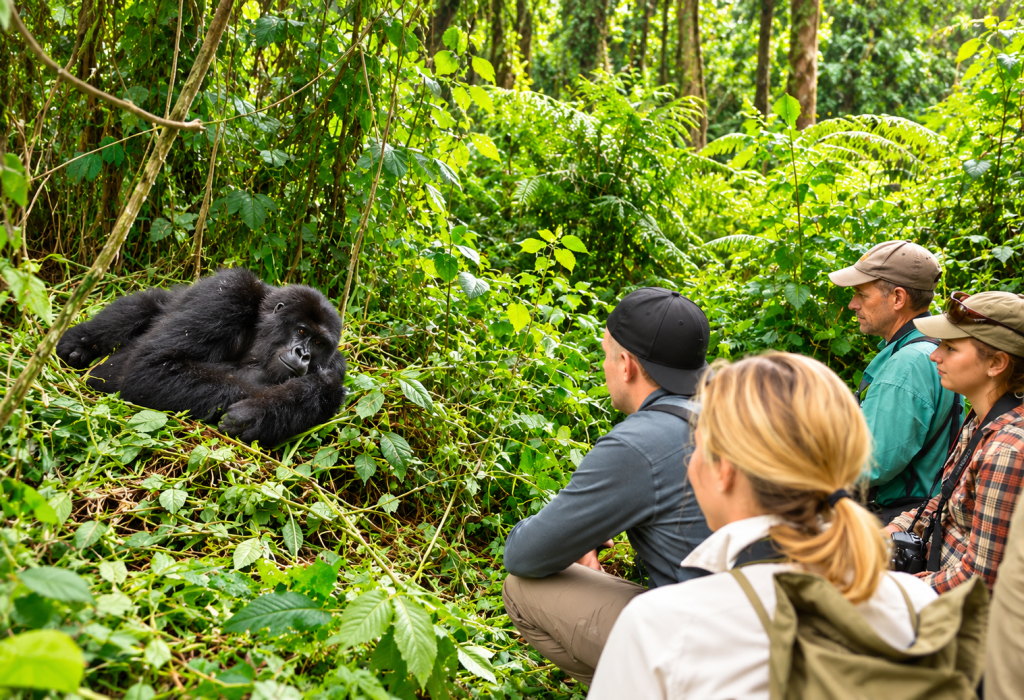 This sample itinerary combines Kibale National Park with Bwindi Impenetrable National Park. It is a planning framework rather than a guaranteed departure. The final route should reflect confirmed permits, the gorilla trekking sector, road conditions and your international flight schedule.
DAY 1
Arrival in Entebbe
Meet your safari representative at Entebbe International Airport and transfer to your hotel. Depending on your arrival time, relax by Lake Victoria or enjoy a short local excursion. Rest well before the journey into western Uganda.
DAY 2
Travel to Kibale National Park
Drive through Uganda’s countryside towards Kibale. Depending on traffic, road conditions and stops, the transfer may take much of the day. Arrive at your lodge, review the next day’s briefing arrangements and prepare your trekking gear.
DAY 3
Chimpanzee Trekking and Bigodi Wetland
Attend the ranger briefing before entering the forest with your guide. Follow the tracking team in search of chimpanzees and observe them according to the applicable visitor rules. If time and availability permit, visit Bigodi Wetland Sanctuary in the afternoon for birdwatching and community-led nature experiences.
DAY 4
Transfer to Bwindi Impenetrable National Park
Travel south towards Bwindi, enjoying changing landscapes and rural scenery. Your route and overnight lodge should be selected according to the confirmed gorilla permit sector. Avoid choosing accommodation far from the trekking briefing point simply because it appears cheaper.
DAY 5
Mountain Gorilla Trekking
Start early with breakfast before attending the ranger briefing. Trek through the forest with the assigned guides and trackers, following all wildlife protection instructions. After locating the gorilla family, enjoy the permitted viewing period. Return to your lodge to relax and reflect on the experience.
DAY 6
Return to Entebbe or Continue Your Safari
Travel back towards Entebbe or arrange a suitable domestic flight where available. Because road journeys can be long, avoid booking an international departure too close to your expected arrival time. If you have extra days, consider adding a wildlife safari or a relaxing stay near Lake Bunyonyi.
Important: This six-day route includes substantial driving. Travellers with limited mobility, families or anyone wanting a more relaxed pace may prefer extra nights. We can adjust the itinerary around permit dates and accommodation availability.
Explore our four-day gorilla and chimpanzee safari, six-day Uganda gorilla and chimpanzee safari and ten-day gorillas, chimpanzees and Big Five safari.
How to Build an Affordable Uganda Primate Safari Budget
Permit discounts can help reduce the cost of the activities themselves, but the overall value of a trip depends on how well the other services are planned. Request a written quotation that separates the permit charges from accommodation, transport and optional activities.
1. Confirm the correct permit category
Permit prices vary according to the applicable visitor category and the tariff in force on your trekking date. Provide accurate nationality and residency information and the documents requested by the booking operator. Never assume that a low-season promotional price applies to every category.
2. Compare accommodation by location and value
Choose a lodge that fits your confirmed trekking sector and budget. A lower room rate may not produce a lower overall cost if it adds long transfers, extra fuel or an additional overnight stay. Compare room types, meal plans, cancellation terms and the distance to the briefing point.
3. Choose the right transport plan
Private road transfers offer flexibility, while domestic flights can reduce travel time on selected routes but may add cost. Consider the number of travellers, luggage, arrival time and how much of Uganda you want to see before choosing.
4. Combine experiences sensibly
Pairing gorillas and chimpanzees can make a longer trip more rewarding, but the two parks are not next door to each other. Allow enough time for transfers and rest. If your priority is a lower budget, focus on one primate destination rather than adding too many activities.
5. Check cancellation and rescheduling rules
The announced low-season permits are reported to be non-reschedulable. Before payment, ask for the written conditions applying to your booking and make sure your travel dates, flights and accommodation are compatible. Do not assume that a permit can be changed because a hotel booking can.
6. Keep a contingency allowance
Set aside money for drinks, tips, porter services, laundry, travel insurance, visa costs where applicable and unexpected transport or weather-related changes. Make sure your quotation clearly states what is included and excluded.
How to Book Discounted Low-Season Permits
- Choose your travel window. Identify whether April, May or November suits your schedule and comfort with wet-weather trekking.
- Request permit availability. Share the exact dates, number of travellers and applicable visitor categories.
- Verify the tariff. Ask for confirmation of the current official rate, the eligible activity and the restrictions on rescheduling or cancellation.
- Match your accommodation to the permit. For gorilla trekking, confirm the correct Bwindi sector or Mgahinga arrangements before finalising the lodge.
- Review the complete quotation. Check permits, accommodation, meals, transport, park activities and exclusions.
- Pay through the agreed booking process. Keep your receipt, written confirmation and the contact details of your safari operator.
For official tariff information, consult the Uganda Wildlife Authority conservation tariff publication and the UWA publications page. Since tariff schedules can change, ask the operator to confirm the rates applicable to your actual travel date.
Extend Your Safari Beyond the Primates
If your schedule and budget allow, Uganda offers plenty of experiences to complement gorilla and chimpanzee trekking. Consider adding a savannah game drive, a boat cruise, a scenic lake stop or a cultural experience with a reputable local community tourism provider.
- Discover savannah wildlife and a boat cruise on the Kazinga Channel in Uganda and East Africa safari itineraries.
- Compare primate travel in the two countries through our Uganda and Rwanda gorilla trekking guide.
- Review our month-by-month trekking guide before deciding whether to prioritise discounts or drier conditions.
Frequently Asked Questions
1. Which months have low-season permit discounts in Uganda?
The announced 2026 promotion covers April, May and November. Confirm that the promotion is still in effect for your intended date and visitor category before booking.
2. How much is a discounted gorilla trekking permit?
The reported promotional rate is US$600 for foreign non-residents and US$500 for foreign residents. Ask for confirmation of the official tariff that applies to your trek date.
3. How much is a discounted chimpanzee permit?
The reported low-season rate for standard chimpanzee tracking is US$200 for foreign non-residents and US$150 for foreign residents. Different rates may apply to other visitor categories and tracking locations.
4. Do the discounts apply to gorilla habituation?
Do not assume that they do. Gorilla habituation is a separate activity with its own permit and pricing. Confirm the current official conditions before purchasing.
5. Can I change the date of a discounted permit?
The announced low-season permits are reported to be non-reschedulable. Confirm the written conditions before payment and make sure your flights and accommodation fit the trekking date.
6. Are low-season permits guaranteed to be available?
No. Permits are limited and remain subject to availability. A lower seasonal rate does not guarantee a place on a specific date.
7. Is April a good month for gorilla trekking?
April can be attractive for travellers interested in a potential promotional permit rate and lush forest scenery. Expect wet, muddy trails and allow extra time for trekking and road transfers.
8. Can I track gorillas and chimpanzees on the same safari?
Yes. A multi-day itinerary can combine chimpanzee tracking in Kibale with gorilla trekking in Bwindi or Mgahinga. The trip requires appropriate permits for both activities and enough time for transfers.
9. Does the permit include accommodation and transport?
Usually not. Accommodation, private transport, meals and optional activities should be treated as separate costs unless your written safari package explicitly includes them.
10. How far in advance should I book?
Book as soon as your dates are firm, particularly if you need a specific trekking sector or lodge. The low season does not guarantee last-minute availability.
11. Which park is best for chimpanzee trekking?
Kibale National Park is one of Uganda’s leading destinations for chimpanzee tracking. Other locations may be suitable depending on your route, budget and available permits.
12. How can I request a low-season safari quotation?
Send your intended dates, number of travellers, visitor categories, preferred accommodation standard and desired activities through our contact page or WhatsApp. We can help you plan around confirmed permit availability and applicable rates.