Kibale Chimpanzee Trekking Difficulty

UGANDA PRIMATE SAFARIS
Kibale Chimpanzee Trekking Difficulty
Discover how challenging chimpanzee trekking in Kibale Forest is, what the trails are like, how long the experience takes and how to prepare for an unforgettable encounter with wild chimpanzees in Uganda.
Kibale National Park | Western Uganda | Chimpanzee Tracking
How Difficult Is Chimpanzee Trekking in Kibale Forest?
Chimpanzee trekking in Kibale Forest National Park is generally considered an easy to moderately challenging wildlife activity. It involves walking through tropical rainforest trails in search of habituated chimpanzee communities accompanied by experienced Uganda Wildlife Authority ranger guides.
Unlike mountain gorilla trekking in Bwindi Impenetrable National Park, which may involve steep slopes and challenging mountain terrain, Kibale generally has gentler forest landscapes. However, this does not mean that every chimpanzee trek is effortless.
The difficulty depends on the location of the chimpanzees, the weather, the condition of the forest trails and the distance visitors must cover before finding the animals. Some groups encounter chimpanzees relatively quickly, while others may spend several hours walking through the forest.
Visitors should therefore have reasonable physical fitness, comfortable hiking footwear and a willingness to walk through natural forest conditions.
Easy–Moderate
General trekking difficulty.
2–5 Hours
Indicative overall forest trekking duration. Actual time varies.
1 Hour
Standard chimpanzee viewing time after locating the community.
Kanyanchu
Main chimpanzee trekking briefing and starting area.
Understanding the Difficulty of Kibale Chimpanzee Trekking
1. The Terrain Is Generally Less Steep
One of the reasons Kibale is considered a relatively accessible chimpanzee trekking destination is its gently rolling forest terrain. Compared with mountainous gorilla trekking environments, much of Kibale’s forest landscape involves gradual slopes and relatively manageable walking conditions.
Nevertheless, visitors should expect natural forest obstacles, including exposed tree roots, fallen branches, uneven surfaces and occasional steep sections.
The terrain may also become slippery following rainfall, requiring careful movement and suitable footwear.
2. Muddy Trails Can Make Walking More Difficult
Kibale is a tropical rainforest that receives rainfall throughout the year. During wetter periods, some forest trails become muddy and slippery.
Walking through muddy ground requires additional effort because visitors must maintain their balance while navigating wet surfaces and uneven terrain.
Waterproof hiking boots with strong grip are particularly useful. You should also consider carrying a walking stick if you need additional stability.
3. Dense Vegetation Requires Careful Navigation
Kibale Forest contains thick vegetation, tall trees, vines and layers of undergrowth. Some sections are relatively easy to navigate, while others require visitors to carefully move around vegetation and natural obstacles.
During the search for chimpanzees, visitors may need to follow guides away from established walking paths depending on the animals’ movements.
This can make the experience more physically demanding than an ordinary nature walk.
4. Chimpanzees Are Highly Mobile Animals

Chimpanzees are active primates that move between trees and different sections of the forest while searching for food, socialising and communicating.
Unlike wildlife viewing in a fixed location, chimpanzee tracking involves following the natural movements of the animals.
When a chimpanzee community moves deeper into the forest, visitors may need to walk longer distances to maintain a suitable viewing position.
This unpredictability is one of the main reasons why trekking difficulty differs from one day to another.
5. Humidity Can Increase Physical Fatigue
The rainforest environment can be humid, particularly during warmer parts of the day. Walking through dense vegetation while wearing hiking clothes may therefore feel tiring.
Visitors should drink sufficient water, wear breathable clothing and follow the guide’s instructions regarding rest breaks.
Maintaining a comfortable pace is more important than trying to walk quickly through the forest.
Factors That Determine How Difficult Your Trek Will Be
Although Kibale is generally accessible to visitors with reasonable fitness, several factors influence the physical effort required during a chimpanzee trekking experience.
6. Location of the Chimpanzee Community
The distance between the briefing point and the chimpanzees is one of the biggest factors affecting trekking difficulty. If the community is nearby, the walk may be relatively short. If the animals have travelled farther into the forest, visitors may need to hike for several hours.
7. Weather Conditions
Rainfall influences trail conditions and the comfort of visitors. Wet weather can create muddy surfaces and make certain sections more difficult to navigate. Dry conditions generally make walking easier, although the forest remains naturally uneven.
8. Personal Fitness Level
Visitors who regularly walk, exercise or participate in outdoor activities may find the experience easier than those who lead a mostly sedentary lifestyle.
However, you do not need to be an athlete. Reasonable fitness, comfortable footwear and the ability to walk for several hours are useful preparation.
9. The Pace of the Trek
Chimpanzees sometimes move quickly through the forest. Rangers and trackers guide visitors as the group follows the animals while maintaining appropriate safety procedures.
Your experience may therefore involve periods of slow walking followed by more active movement when the chimpanzees change location.
10. The Type of Chimpanzee Experience
Standard chimpanzee trekking and chimpanzee habituation are different activities. Standard tracking is generally shorter, while habituation involves spending a longer period in the forest observing a chimpanzee community undergoing the habituation process.
The extended experience may involve more walking, additional waiting and longer periods on uneven terrain. It is particularly suitable for visitors who enjoy detailed wildlife observation.
Kibale Chimpanzee Trekking Compared with Gorilla Trekking
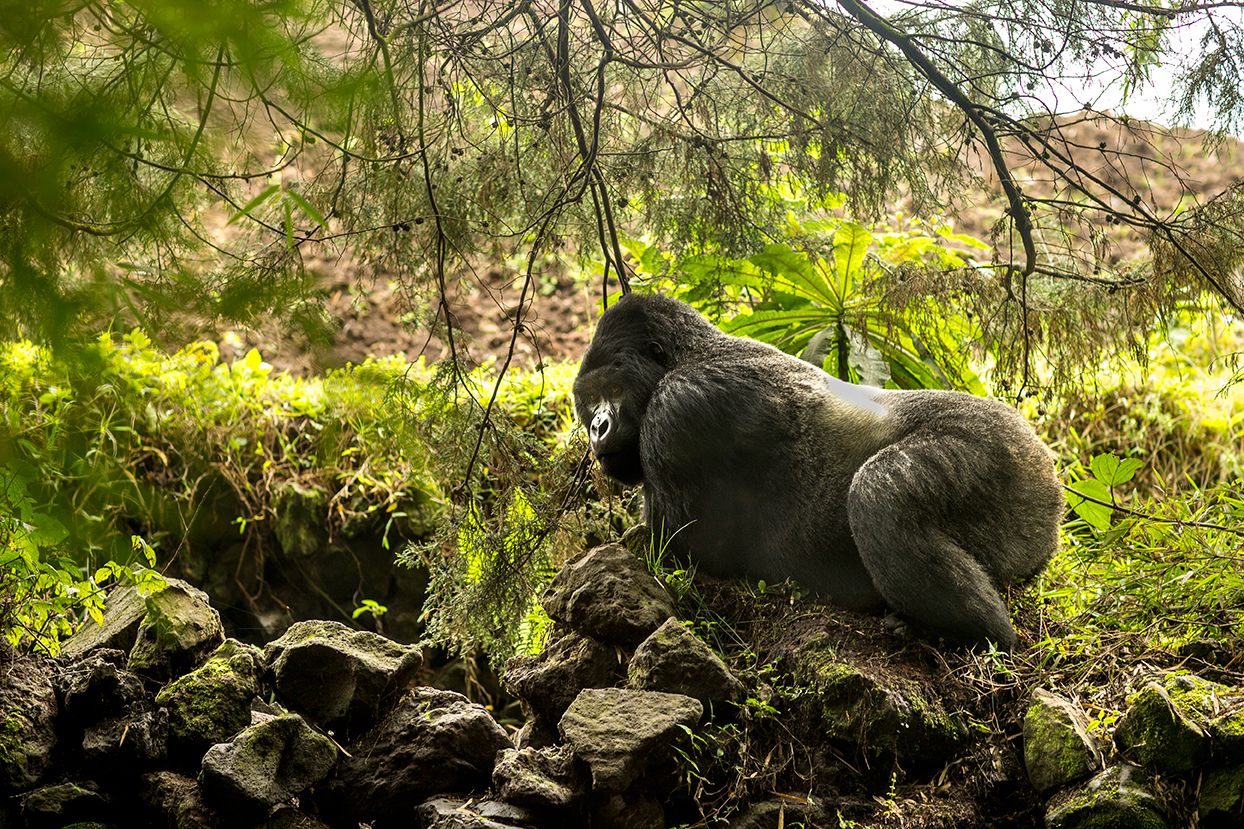
Travellers planning a primate safari in Uganda often wonder whether chimpanzee trekking or mountain gorilla trekking is more physically demanding.
Both activities involve walking through natural forest environments, but their terrain and trekking conditions are different.
| Comparison | Kibale Chimpanzees | Bwindi Gorillas |
|---|---|---|
| General difficulty | Easy to moderate | Moderate to challenging, depending on sector and family location |
| Terrain | Generally rolling forest terrain | Steeper mountainous forest terrain |
| Walking conditions | Roots, mud and dense vegetation | Steep slopes, mud and thick vegetation |
| Standard viewing | Up to one hour | Up to one hour |
| Main challenge | Following mobile chimpanzees | Navigating mountainous terrain |
For visitors who prefer a less mountainous forest experience, Kibale is often a good choice. However, chimpanzees are highly mobile, and a long tracking session can still be tiring.
Travellers interested in experiencing both activities can combine Bwindi gorilla trekking with chimpanzee tracking in Kibale.
How Long Does Chimpanzee Trekking in Kibale Take?
Standard chimpanzee trekking in Kibale can take approximately two to five hours overall, although actual durations may be shorter or longer depending on chimpanzee movements and forest conditions.
The experience includes the morning briefing, walking through the forest, searching for the chimpanzees and observing the community once located.
11. The Morning Briefing
The activity generally begins with an early morning briefing at the designated trekking location. Rangers explain the rules, safety precautions and procedures visitors must follow inside the forest.
12. Searching for Chimpanzees
After the briefing, visitors enter the forest with experienced ranger guides and trackers. They search for the chimpanzees using information about their recent movements, calls, feeding areas and other signs of activity.
13. Observing the Chimpanzee Community
Once the chimpanzees are located, visitors are generally permitted up to one hour of observation during standard trekking.
During this time, you may see chimpanzees feeding, grooming, climbing trees, playing, resting or communicating with other members of their community.
14. Returning from the Forest
After the observation period, visitors follow their ranger guide back towards the designated exit point. The total walking distance depends on where the chimpanzees were found and the route taken.
How to Prepare Physically for Kibale Chimpanzee Trekking
Although Kibale trekking does not normally require the same level of physical preparation as a challenging mountain hike, preparing your body can make the experience more comfortable.
15. Practise Walking Before Your Safari
Start walking regularly several weeks before your trip. Gradually increase your walking duration so your body becomes comfortable with spending extended periods on your feet.
16. Practise on Uneven Ground
Walking on natural trails, gentle slopes and uneven surfaces helps improve balance and confidence. This is useful because forest paths may contain exposed roots, fallen branches and slippery sections.
17. Build Your Leg Strength
Simple exercises such as squats, step-ups and gentle stair climbing can help strengthen your legs and improve stability while walking through the forest.
18. Improve Your Walking Endurance
Gradually extend your walking sessions and practise maintaining a comfortable pace. Take breaks when necessary and avoid overexerting yourself before the safari.
19. Wear Your Hiking Boots Before Travelling
Do not wait until trekking day to wear new hiking boots. Practise walking in them beforehand to ensure they fit properly and do not cause blisters or discomfort.
20. Discuss Mobility Requirements in Advance
If you have limited mobility, balance concerns or difficulty walking for extended periods, communicate this to your safari operator before booking. This allows the available arrangements and suitability of the activity to be discussed honestly.
What to Wear and Carry for Chimpanzee Trekking
Appropriate clothing and equipment help you navigate the forest more comfortably and protect yourself from vegetation, insects and changing weather.
Additional Items to Carry
- Camera with spare batteries and memory cards.
- Binoculars for observing wildlife in the canopy.
- Energy snacks for after the trek.
- Waterproof bag for protecting electronic equipment.
- Walking stick if you need additional support.
- Sunscreen for use before and after the forest walk.
Health, Safety and Responsible Chimpanzee Trekking
Chimpanzees are susceptible to several human diseases. Visitors must follow the conservation guidelines provided by the Uganda Wildlife Authority and their ranger guides.
- Do not participate when experiencing symptoms of an infectious illness. Inform your operator and park authorities.
- Maintain the required distance from chimpanzees.
- Never touch or feed the animals.
- Avoid unnecessary noise and sudden movements.
- Do not use flash photography.
- Do not leave litter in the forest.
- Follow the ranger’s instructions throughout the trek.
- Remain with your designated trekking group.
Responsible tourism protects chimpanzees while supporting the long-term conservation of Kibale Forest and the livelihoods of surrounding communities.
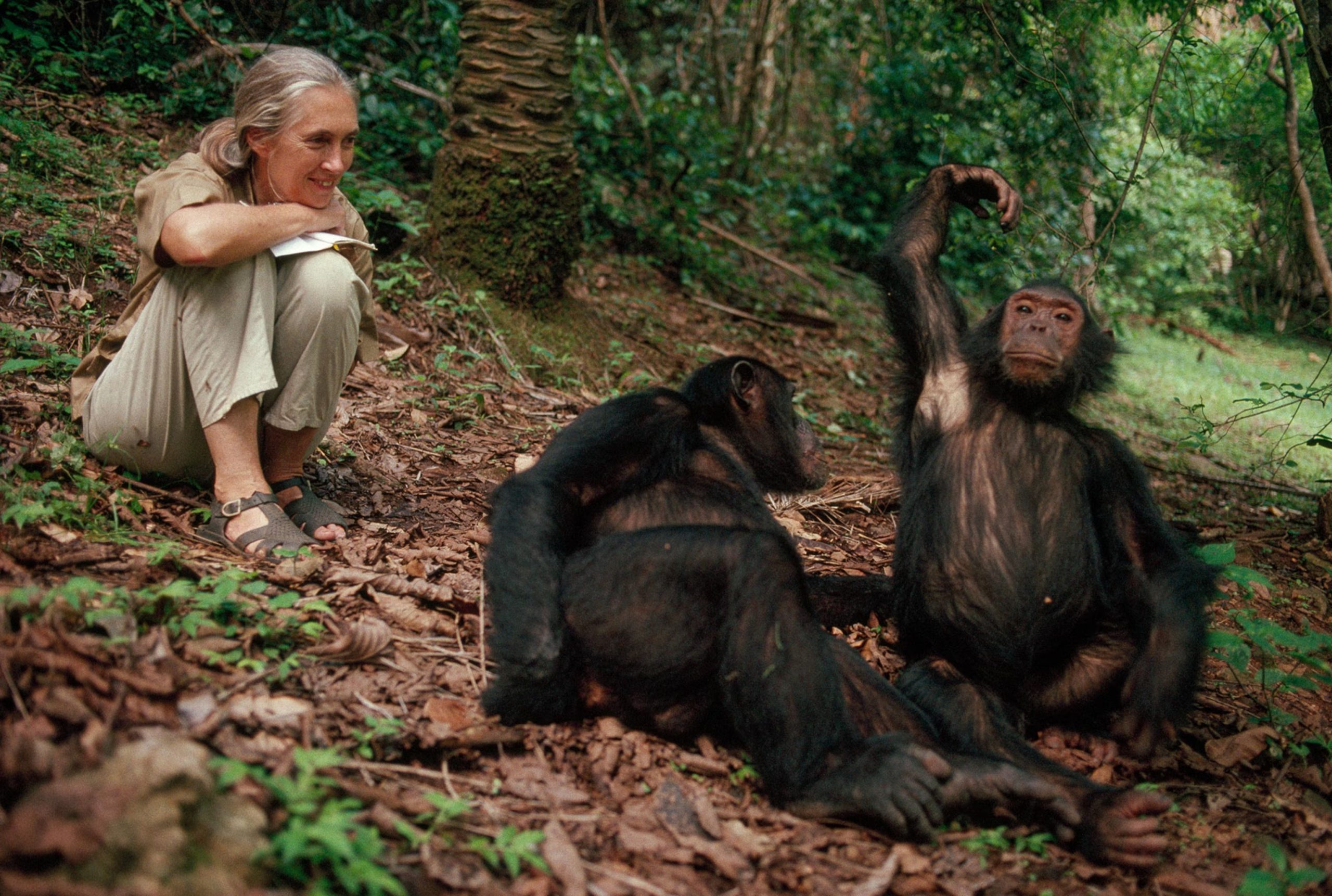
Chimpanzee Trekking vs Chimpanzee Habituation in Kibale
Visitors can choose between standard chimpanzee trekking and the Chimpanzee Habituation Experience, depending on their interests, available time and preferred level of wildlife immersion.
Standard Chimpanzee Trekking
Standard trekking provides an opportunity to search for a habituated chimpanzee community and spend up to one hour observing the animals after locating them.
It is suitable for most visitors who want to experience wild chimpanzees without spending an entire day in the forest.
Chimpanzee Habituation Experience
The habituation experience is a longer activity that allows visitors to accompany researchers, trackers and guides as they observe a chimpanzee community undergoing habituation.
Visitors can spend up to four hours with the chimpanzees under the applicable programme conditions. It offers additional opportunities to understand chimpanzee behaviour, feeding patterns, communication and social interactions.
Because the activity involves a longer period in the forest, it can be more demanding than standard chimpanzee trekking.
Other Activities to Combine with Kibale Chimpanzee Trekking
Kibale offers more than chimpanzee encounters. Visitors can extend their stay to explore other attractions and activities in the surrounding region.
Bigodi Wetland Sanctuary
The Bigodi Wetland Sanctuary is an excellent destination for guided nature walks, birdwatching and observing other primates. Visitors may encounter monkeys and a variety of wetland bird species while learning about community conservation.
Fort Portal and the Crater Lakes
Fort Portal is a beautiful town in western Uganda surrounded by green hills, tea plantations and volcanic crater lakes. Visitors can enjoy scenic drives, photography and cultural experiences.
Queen Elizabeth National Park
Travellers can combine Kibale with Queen Elizabeth National Park for game drives, wildlife viewing and a boat cruise along the Kazinga Channel.
Bwindi Gorilla Trekking
For an extended primate safari, combine chimpanzee tracking in Kibale with mountain gorilla trekking in Bwindi. This creates an opportunity to encounter two of Africa’s most fascinating great apes during one holiday.
Explore More Kibale and Uganda Safari Guides
Continue planning your chimpanzee trekking adventure with these related destinations and safari experiences.
1. Kibale Forest National Park →
2. Kibale Chimpanzee Trekking →
3. Primates of Kibale National Park →
6. Kibale National Park Guide →
7. Kibale National Park Chimpanzees →
8. Three-Day Uganda Chimpanzee Safari →
9. Uganda and Rwanda Chimpanzee Trekking →
10. Chimpanzee Trekking in Uganda →
11. Chimpanzee Habituation Experience →
12. Bigodi Wetland Sanctuary →
14. Queen Elizabeth National Park →
15. Bwindi Impenetrable National Park →
16. Gorilla Trekking in Uganda →
Frequently Asked Questions About Kibale Chimpanzee Trekking Difficulty
1. Is chimpanzee trekking in Kibale difficult?
Kibale chimpanzee trekking is generally easy to moderately challenging. Most visitors with reasonable fitness can participate, although muddy trails, uneven ground and long walks may increase the difficulty.
2. How many hours do you walk during chimpanzee trekking?
The overall experience commonly takes around two to five hours, depending on the location of the chimpanzees and forest conditions. Some treks are shorter, while others take longer.
3. Do I need to be physically fit for chimpanzee trekking?
You should have reasonable physical fitness and be comfortable walking on uneven forest trails. Regular walking and light exercise before travelling can help you prepare.
4. Is Kibale chimpanzee trekking harder than gorilla trekking?
Kibale is generally less mountainous than Bwindi and therefore involves less sustained steep climbing. However, following mobile chimpanzees can still require considerable walking.
5. Can older travellers participate in chimpanzee trekking?
Older travellers can participate if they meet the applicable age requirements and can manage the physical demands of the activity. Those with mobility concerns should discuss their needs before booking.
6. What happens when it rains during chimpanzee trekking?
Trekking can take place in rainy conditions when park authorities consider it suitable. Visitors should carry waterproof clothing and wear hiking boots with good grip.
7. Is chimpanzee habituation more difficult than standard trekking?
Chimpanzee habituation is generally more physically demanding because it involves spending a longer period in the forest. It requires additional walking, patience and endurance.
8. What is the best footwear for Kibale chimpanzee trekking?
Waterproof hiking boots with good ankle support and strong grip are recommended. They help protect your feet and improve stability on muddy and uneven trails.
9. Can I hire a porter for chimpanzee trekking?
Ask your safari operator about available porter assistance and arrangements at the trekking location. A porter can help carry your backpack and provide support where appropriate.
10. Can I combine Kibale chimpanzee trekking with gorilla trekking?
Yes. You can combine Kibale with Bwindi Impenetrable National Park or Mgahinga Gorilla National Park for an extended Uganda primate safari.
Ready for a Kibale Chimpanzee Trekking Adventure?
Experience the excitement of tracking wild chimpanzees through the beautiful rainforests of Kibale National Park. UgandaRwanda Safaris can help arrange your chimpanzee permits, accommodation, transportation and complete safari itinerary.
Whether you prefer standard chimpanzee trekking or an extended habituation experience, let us help you plan your adventure.
UgandaRwanda Safaris | Explore Uganda’s Primate Destinations