Photography Tours in Rwanda
Photography Tours in Rwanda
Rwanda, often referred to as “The Land of a Thousand Hills,” presents one of the best opportunities for capturing diverse terrains and exotic animals. For a wildlife photographer, Rwanda has a lot to offer; from the Mountain gorillas in the green-endowed forests to the beautiful features of the wildlife, such as the background of the rolling volcanic cones and the sparkling lakes. Here you will find useful information for photography tours in Rwanda, including the best places to photograph, important tips to follow, and some ideas about how to have an amazing photographic trip.
Top Photography Destinations
Volcanoes National Park
Mountain Gorillas
You will not miss mountain gorillas at Volcanoes National Park. Observing these animals in the wild is always something special for which everyone goes on the photography tour. The habitat of the gorillas, which is the misty mountainous forest, and their facial expressions provide dramatic and personal photographic settings. Morning shoots are advisable when hiking since this provides the best light conditions, where the effects of diffused light are seen passing through the canopy.
Golden Monkeys
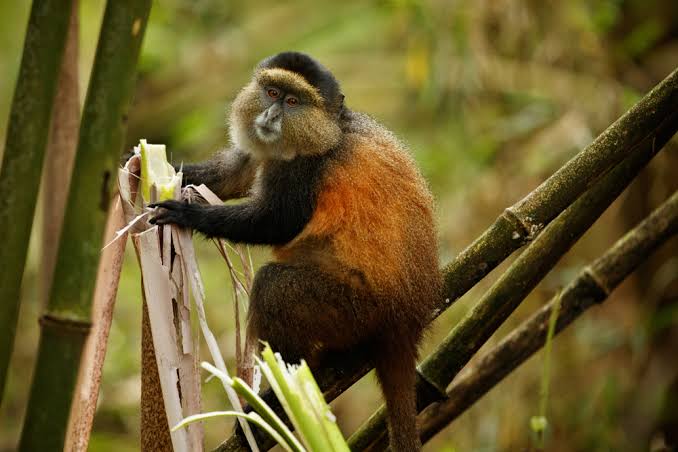
Other than taking pictures of gorillas, this park is also a habitat for the golden monkeys; they have beautiful, bright fur and are active, hence perfect candidates for photography. It seems that tracking these monkeys provides a different photographic viewpoint than the gorillas.
Landscape Photography
Some of the country’s richest features for photography are pointed in the park, such as Mount Karisimbi and Mount Bisoke, among others. You should then take the rolling mist as well as the green valleys for the best scenery shots.
Savannah Wildlife
Akagera National Park
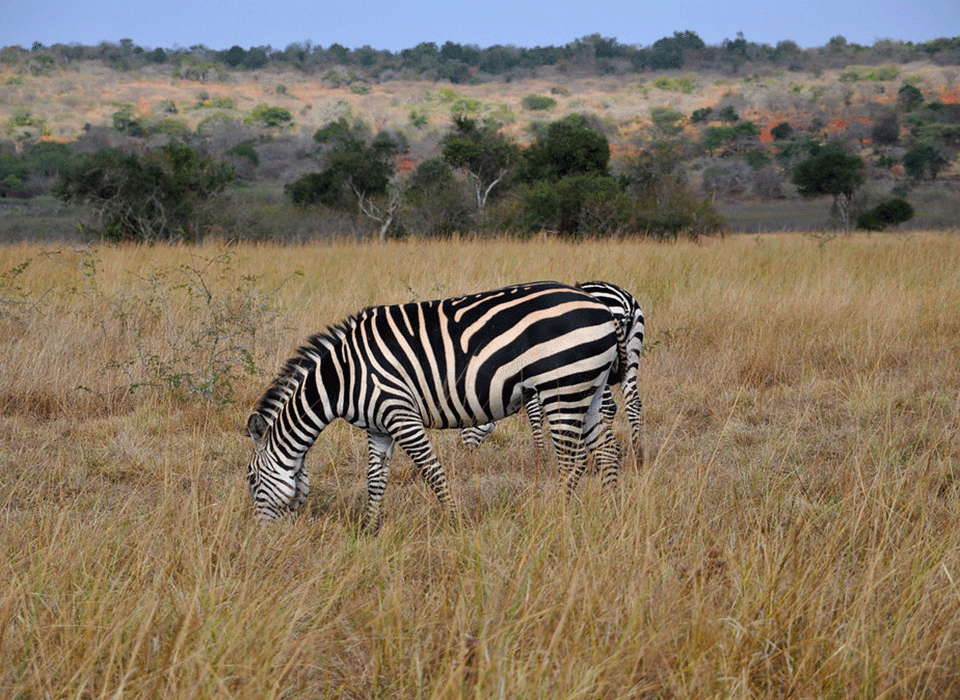
Its variety of landscapes of savannah, wetland, and woodland provides an opportunity to shoot typical African wildlife. Some of the major subjects in focus include lions, elephants, buffalo, giraffes, and hippos. The stunning views also include an exquisite chance for panoramic photography of the savannah and wetland of the park.
Bird Photography
With over 500 recorded bird species, it delights bird watchers. Birds in this park include the fish eagle, crested crane, and various kinds of storks, as well as herons that photographers can capture.
Primates and Birds
Nyungwe
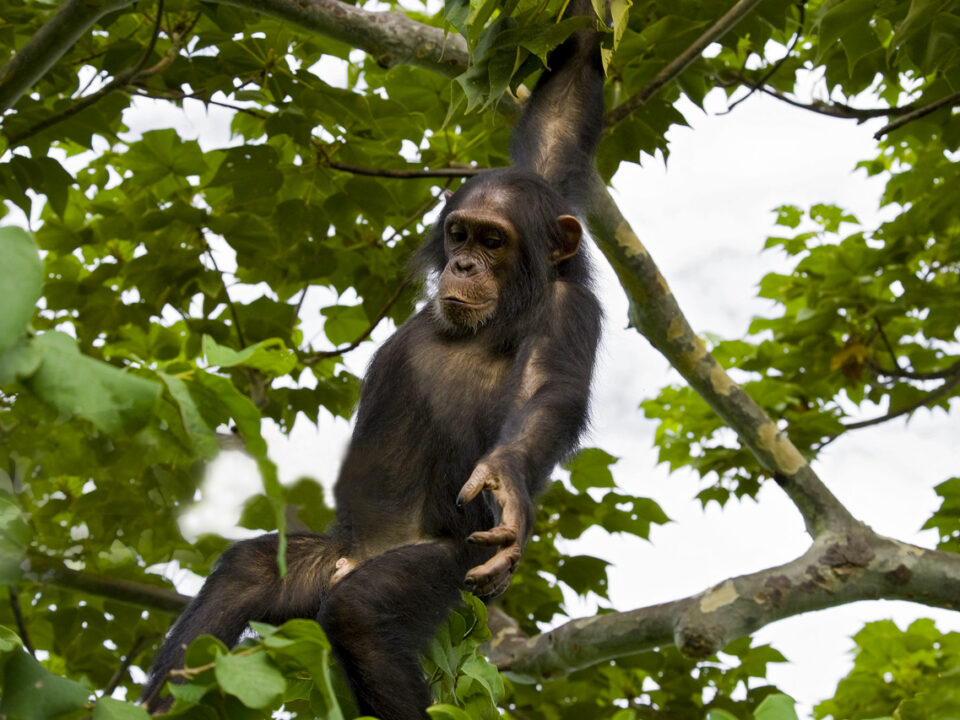
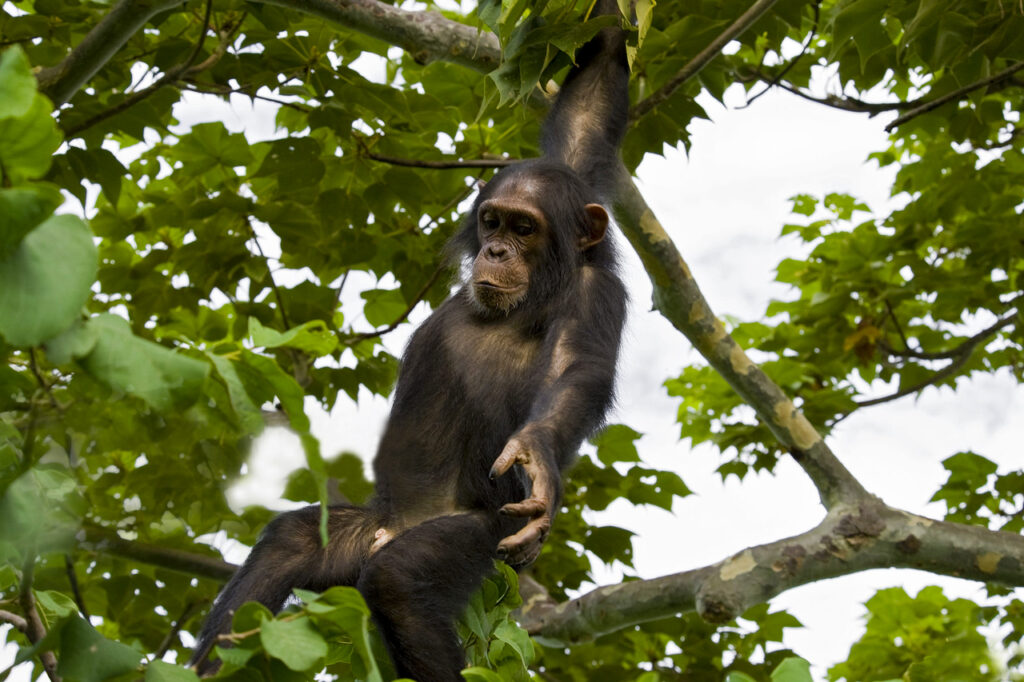
Nyungwe forest is a biodiverse kingdom, good for photographing primates such as chimpanzees and colobus monkeys. With natural lighting provided by sunlight in the canopy of a rainforest and different interesting plants in the park, one is well-placed to capture good wildlife shots. Bird lovers can also take pictures of some of the strange birds, such as the Rwenzori turaco and the blue-headed sunbird.
Waterfalls and Scenery
Having a picture of the park’s waterfalls, for instance, the Kamiranzovu Swamp, introduces movement to landscape photography. The thick vegetation cover, er as well as the attractive spots for taking shots of the forest, are best photographed during the different light periods.
Lake Kivu
There is very little to disturb the reflective surface of Lake Kivu and its shores, hence providing the best environment to take landscape photos. The lake shores offer reflections and vivid colours that are very suitable for shooting beautiful sunsets.
Local Life
There are places by the lakes where fishermen’s villages are located, where you can capture local people and their way of fishing and their daily routines.
Photography Tips for Getting Fantastic Pictures
Golden Hours
Natural lighting works best, and photographers can achieve this during early morning, just as the sun rises, or in the evening, just before the sun sets. These are effective shooting times since the light makes the natural scenery look more beautiful and creates better pictures of animals.
Patience and Persistence
Wildlife photography also calls for time. Take your time to wait for the anima, ls, and just patiently wait for a good shooting opportunity. Many times, the banal becomes drama, though the photographer remains patient and produces images that are extraordinary in capturing the character of what is being photographed.
Respect for Wildlife
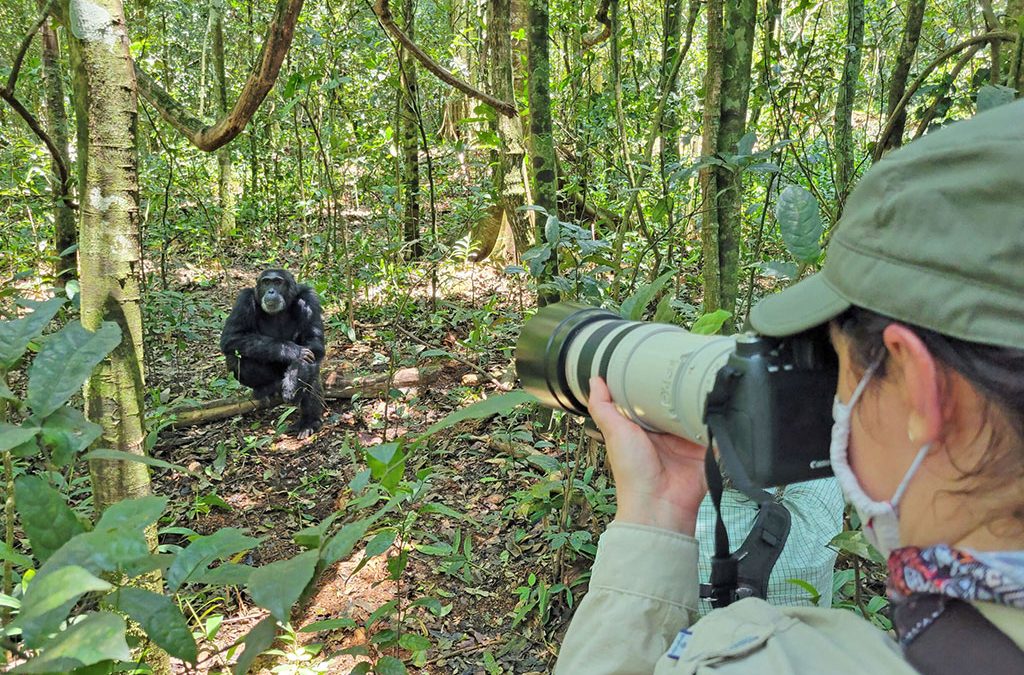
The safety of the animal you intend to photograph should at all times come first. Always abide by the regulations provided by park administrators, including the no feeding regulation, and avoid approaching too close to the wildlife. In order not to interfere with the animals, one should use zoom lenses to take close-up pictures.
Use of Tripods and Stabilisers
For taking photographs of landscapes, nd taking photos at night, using a tripod can be extremely beneficial, for it allows the steadying of the camera, thus the acquisition of higher quality photos. Stabilisers are also helpful when shooting a video or aiming to capture moving objects in pictures.
Lens Selection
When making a choice, opt for lenses depending on the type of photography you want to master. For shooting animals, you need a telephoto lens because you have to shoot from a distance, and for landscape shooting, a wide-angle lens will be the best. A macro lens is also handy in making close-up shots of plants and small animals.
Camera Settings
Change your camera settings depending on the lighting and what is going to be captured. For example, le for shooting wildlife due to the fast-moving subject, a high shutter speed assists in capturing motion, and a low ISO level can reduce noise level in high light. With regards to landscapes, set a small aperture denoted by a higher f-stop number in order to have the ability to capture a large depth of field.
Photography Tours and Workshops
A great number of operators in Rwanda focus on such photography experience – tours and workshops that providers plan to meet the needs of photographers. These tours afford the visitor the chance to visit the best sites and receive instructions from the tour guide, as well as other assistance in taking quality pictures.
Gorilla and Wildlife Photography Tours
Such tours are all about taking pictures of Rwandan wildlife, such as gorillas and other wildlife. They usually comprise hiking, a briefing on how to capture images, and the chance to go through varied ecosystems.
Landscape Photography Workshops
Some of the field-based workshops that could be in landscape photography may involve tours of different physical terrains in Rwanda and the proper procedures on how to capture the most appropriate shots of the Rwandan landscapes.
Custom Photography Tours: Most of the tour operators offer flexible tours that will be of interest depending on the type of photographs you want to take. These tours can be extended to involve visits to different parks, occasions, or the sighting of certain animals of interest.
Planning Your Photography Trip
Best Time to Visit
Rwanda experiences two dry seasons, one from June to September and the second from December to February, and is therefore ideal for wildlife photography. During such times of the day, ay the climate is usually comparatively good, and the animals are more in the open and thus easier to observe.
Permits and Regulations
Make sure you get the right permits for gorilla trekking or any other activity that you are interested in undertaking. Always respect and observe park rules to avoid harm to both human beings and animals.
Gear and Equipment
Do not forget to pack all the necessary photography equipment, such as battery back-ups, camera, and lens cleaning materials, as well as protection from weather conditions for your gear. One thing is that Rwanda is a country of diversity in terms of geography, meaning some areas can be rainy while others can be sunny.
Local Guides
Hiring people within the locality who understand the best sites for photo shoots and have some understanding of the animals will go a long way in improving your experience. They are full of useful tips and can help you utilise your photographic chances as much as possible.
Conclusion
Sightseeing tours in Rwanda present an incredibly unique chance to photograph Rwanda and its amazing wildlife. Photographers can capture an absolute variety of subjects in Rwanda, ranging from rich and beautiful territorial features, diverse wildlife, and cultural experiences. When choosing the proper timing for the visit, being non-intrusive with animals, and following the advice of the professionals, one may capture a set of stunning photos that would help in illustrating Rwanda’s tourism potential of both nature and culture.