When Can I Book Uganda Safaris for the Peak Season

How Early Should You Book a Uganda Safari for Peak Season? Uganda Peak Season Safari Booking
Booking your Uganda safari 6–12 months in advance is the safest planning approach for peak-season travel. This is particularly important if you want to see mountain gorillas, track chimpanzees, stay at a specific luxury lodge or travel as a family or large group.
Uganda’s busiest safari periods generally run from June through September and December through February. July, August and the festive holidays can have especially strong demand.
Travellers planning a wildlife-only safari may find suitable arrangements within three to six months of departure. Last-minute safaris are also possible when permits, transport and lodging remain available, but choices become more limited.
Months ahead for popular primate safaris
Main busy safari season
Popular dry-season travel period
Why Booking Your Uganda Safari Early Matters
Uganda has become one of Africa’s most attractive destinations for travellers interested in mountain gorillas, chimpanzees, traditional wildlife safaris and extraordinary natural scenery. From the forests of Bwindi and Kibale to the savannahs of Queen Elizabeth and Murchison Falls, the country offers a remarkable variety of wildlife experiences.
However, the most popular travel months can present a challenge for guests who begin organizing their holidays too close to departure. Gorilla trekking permits are limited, some small luxury lodges have only a handful of rooms and the best itineraries often require coordinating several destinations.
The result is that travellers may still find a flight to Entebbe but discover that their preferred gorilla trekking date is fully booked. Others secure permits but find that the lodges closest to the correct trekking sector have no suitable rooms remaining.
Early booking reduces these difficulties. It gives you more flexibility to choose your travel dates, compare accommodation categories and coordinate permits with a realistic route. It also makes it easier to plan family holidays, special celebrations and wildlife photography trips.
At Safari Vacations and Travel Services, we help travellers organize tailor-made Uganda safaris with private transportation, professional driver-guides and accommodation matched to their budget and interests. Our planning process begins with understanding what matters most to you, then checking the relevant availability before committing to the itinerary.
For a broader overview, read our complete guide to booking a Uganda safari.
SECTION ONE • PEAK-SEASON BOOKING TIMES
When Is Uganda’s Peak Safari Season?
Uganda can be visited throughout the year. However, travel demand tends to increase during the drier months, when many international visitors schedule holidays and conditions are generally favourable for national park activities.
June to September: The Main Safari Season
June, July, August and September form Uganda’s principal high-demand tourism period. These months overlap with summer holidays in Europe and North America, making them particularly attractive to families, couples and groups.
Rainforest trails are often comparatively drier, although rain can still occur in Bwindi and Kibale. Savannah parks also offer excellent wildlife viewing as animals use permanent water sources and vegetation can be easier to see through.
July and August are especially popular for gorilla trekking. If you must travel during these months, beginning preparations nine to twelve months ahead provides a better selection of permits and accommodation.
Travellers planning flexible wildlife-only safaris may still find good options closer to departure, but the most popular lodge categories can become limited.
See our Uganda travel seasons and planning guide for additional background.
December to February: The Festive and Short Dry Season
December through February is another excellent period for Uganda safaris. It attracts travellers escaping colder northern-hemisphere weather, families on school holidays and visitors celebrating Christmas or New Year abroad.
The days surrounding Christmas and New Year can be particularly competitive. Some lodges have minimum-stay conditions or special festive rates, while gorilla trekking permits may be reserved well before the holiday period begins.
If you are planning a Christmas safari, start searching for accommodation and permits as early as possible. January and February may offer somewhat more flexibility than the busiest holiday dates, but demand remains strong at popular properties.
Travel agencies cannot guarantee availability simply because a date is several months away. Confirmation depends on the exact sector, lodge and services requested.
March to May: Greener Landscapes and More Flexibility
March to May is generally associated with Uganda’s longer rainy period. Some travellers avoid these months because forest trails may be muddy and outdoor activities can be affected by heavier rainfall.
However, this season also has advantages. The landscapes are beautifully green, fewer visitors may be competing for accommodation, and some lodges introduce attractive seasonal offers.
Uganda has also offered discounted gorilla and chimpanzee tracking permits during selected low-season months, subject to official conditions. These promotions should never be assumed to apply automatically to every booking.
If your dates are flexible and you are comfortable with changing weather, the green season can provide good value while still offering memorable wildlife encounters.
October and November: An Alternative to Peak-Season Demand
October and November form another wetter period in much of Uganda, though the actual rainfall varies by destination and year.
Travellers choosing these months may enjoy greener forest scenery and more options at certain lodges. For wildlife photographers, the lush landscapes can be particularly appealing.
Gorilla and chimpanzee trekking continue during these months, subject to normal park operations. The main challenge is that trails can become slippery and some road journeys may take longer.
November may also qualify for selected low-season primate permit promotions, making it worth considering for travellers prioritizing value over the driest conditions.
Uganda Peak-Season Booking Calendar
Use this practical calendar to decide when to begin planning. These are recommended lead times rather than fixed deadlines.
| Travel period | Demand | When to start booking |
|---|---|---|
| June–September | High | 6–12 months ahead |
| July–August gorilla safaris | Very high | Preferably 9–12 months ahead |
| Christmas and New Year | Very high | Preferably 9–12 months ahead |
| January–February | High | 6–9 months ahead |
| March–May | Usually lower | 1–3 months or earlier for special activities |
| October–November | Usually lower | 1–3 months or earlier for fixed dates |
SECTION TWO • PERMITS AND ACCOMMODATION
Which Uganda Safari Activities Should Be Booked First?
The most reliable way to plan a peak-season Uganda safari is to identify the activities with the strictest availability, then build the rest of the trip around them.
1. Mountain Gorilla Trekking Permits
Mountain gorilla trekking is one of Uganda’s most sought-after experiences. It takes place in Bwindi Impenetrable National Park and Mgahinga Gorilla National Park, both located in southwestern Uganda.
Permits are limited to protect the animals and maintain responsible visitor numbers. Under standard tracking arrangements, no more than eight visitors may visit a habituated gorilla family per day.
Because of these restrictions, a date can become fully booked even when suitable hotels and vehicles remain available.
Travellers should confirm the trekking date and sector before finalizing accommodation. In Bwindi, the four main sectors are Buhoma, Ruhija, Rushaga and Nkuringo, and travelling between them may take several hours.
For foreign non-residents, Uganda’s standard gorilla trekking permit has been listed at US$800 per person. Confirm the applicable official tariff for your travel date and visitor category before payment.
Our Uganda primate trekking guide explains the permit arrangements.
2. Gorilla Habituation Experiences
The Gorilla Habituation Experience provides a different encounter from standard gorilla trekking. Visitors participate in an extended forest experience and may spend up to four hours observing a semi-habituated gorilla family under official supervision.
The number of available habituation places is smaller than for standard trekking, making early reservations especially valuable.
Travellers interested in the activity should not assume that a standard gorilla trekking permit can be upgraded on arrival. Habituation has its own permit category, location and operational arrangements.
When planning for a busy period, securing the habituation permit should be one of the earliest steps.
Our gorilla habituation and chimpanzee trekking guide discusses combining these experiences.
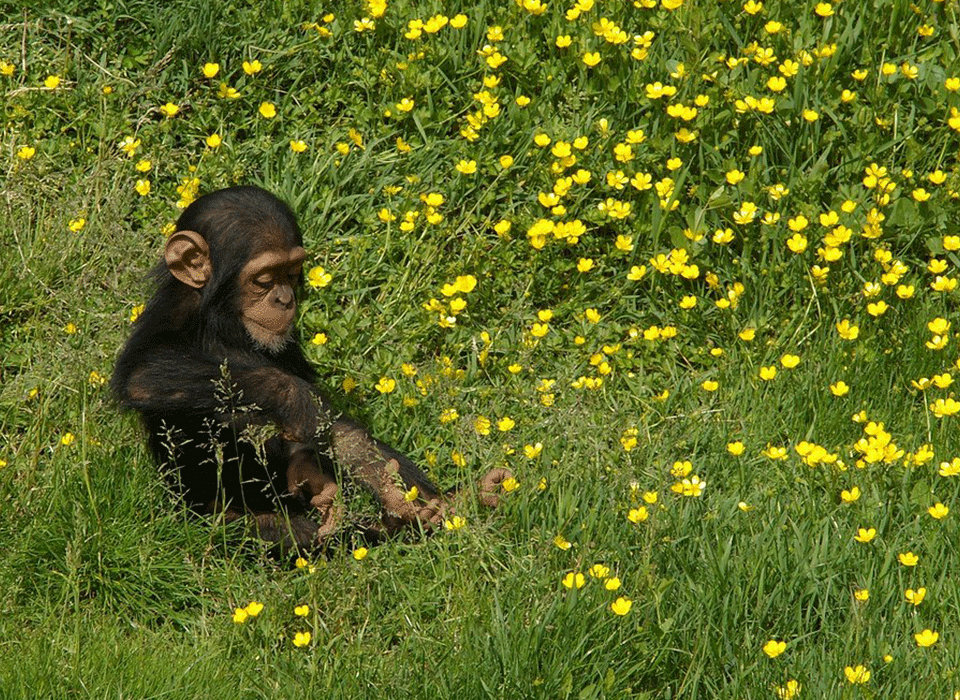
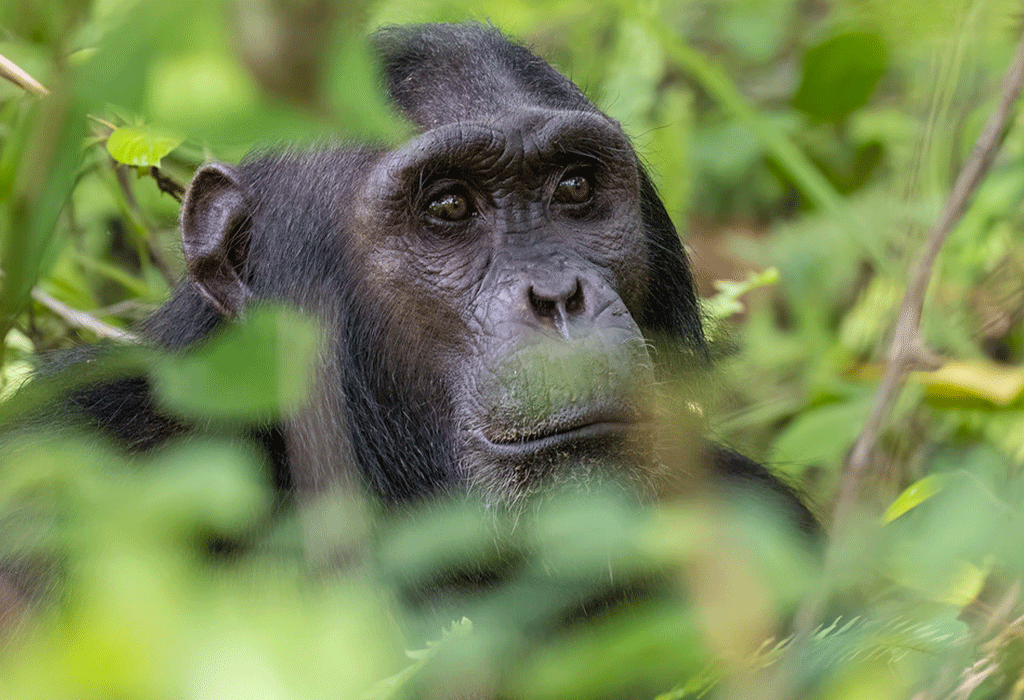
3. Kibale Chimpanzee Trekking
Kibale National Park is Uganda’s premier chimpanzee trekking destination. Visitors join ranger-guided excursions to search for habituated chimpanzees in a beautiful tropical rainforest.
During peak season, popular morning departures may become limited, particularly for couples or families who want to visit together on a specific date.
It is advisable to book chimpanzee tracking alongside gorilla permits when designing a primate-focused itinerary. Once both experiences are confirmed, your operator can coordinate the necessary road transfers and lodge reservations.
Chimpanzee habituation also requires a separate permit and may have more limited availability than standard tracking.
Read our Uganda gorilla and chimpanzee safari planning guide.
4. Popular Lodges in Bwindi
Accommodation near Bwindi is particularly important because gorilla trekking begins with an early morning briefing. A room in the wrong sector can leave travellers facing a very long transfer before the trek.
Peak-season demand can be high at well-known properties, particularly those offering premium forest views, comfortable rooms and convenient access to a specific trekking headquarters.
Examples of lodges travellers may consider include Mahogany Springs in Buhoma, selected properties near Rushaga and Nkuringo, and other luxury or midrange options appropriate to the booked sector.
Always ask your operator to confirm the exact property, room category and meal plan. A similar-sounding lodge in another sector may not provide the same practical access to the activity.
5. Luxury Safari Lodges in Other National Parks
Early accommodation reservations also matter in Queen Elizabeth, Murchison Falls, Kibale and other popular parks.
Travellers interested in small luxury properties often have fewer available rooms to choose from. During the busiest months, these properties may fill before larger midrange hotels.
Booking early allows you to compare locations, views, room configurations and value. For example, a lodge inside or close to a park may reduce driving time and give guests more flexibility for early game drives.
Review accommodation alongside activities rather than choosing hotels entirely independently of the safari route.
6. Domestic Flights and Fly-In Safaris
Uganda’s domestic flight network can reduce lengthy road journeys, especially for travellers heading from Entebbe towards Bwindi.
Kihihi Airstrip is commonly used for Buhoma and sometimes Ruhija, while Kisoro is convenient for southern Bwindi and Mgahinga.
Fly-in safari arrangements should be coordinated with the confirmed gorilla permit and accommodation sector. Flight schedules, weather, seat availability and luggage restrictions can affect the final itinerary.
During busy periods, travellers requiring particular connections may benefit from arranging domestic flights well in advance.
7. Family and Group Safari Reservations
Families and larger groups have additional booking considerations because several services must be available for the same dates.
For example, a group of eight people wishing to trek gorillas together needs eight permits on the same date, along with suitable rooms and sufficient transportation capacity.
Groups travelling with children must also consider minimum ages for activities. Gorilla trekking requires visitors to be at least 15 years old, so alternative activities may be needed for younger family members.
Group travel should therefore be planned around confirmed permits, appropriate room configurations and a practical daily schedule rather than simply choosing the cheapest available hotel.
8. Private Safari Vehicles and Driver-Guides
A private safari vehicle is a major part of the holiday experience, particularly when travelling between Uganda’s national parks over long distances.
During peak season, specialist 4×4 safari vehicles and experienced guides may be committed to existing tours well before departure.
Booking earlier allows travellers to discuss vehicle preferences, seating arrangements, luggage space and any required amenities.
Safari Vacations and Travel Services organizes private safari transportation with professional driver-guides, including vehicles suited to couples, families and small groups.
Our custom Uganda safari packages explain how we tailor transport and accommodation.
POPULAR PEAK-SEASON SAFARI EXPERIENCES
Three Uganda Safaris Worth Booking Early
These safari styles are particularly popular during the dry seasons. The earlier you organize them, the more freedom you generally have to choose your preferred travel dates and accommodation category.


SECTION THREE • STEP-BY-STEP BOOKING GUIDE
How to Book Your Uganda Peak-Season Safari
A well-organized safari begins long before your arrival at Entebbe International Airport. The following process helps protect the activities that matter most to you and makes it easier to coordinate the rest of the journey.
Step 1: Choose Your Preferred Travel Dates
Start with the period when you would most like to visit Uganda. Consider your work calendar, school holidays, available leave and personal interests.
If you are travelling during July, August or Christmas, flexibility of even a few days may make a significant difference to the permits and lodge rooms available.
For example, if a particular gorilla trekking date is fully booked, shifting the safari by one or two days may allow a much more convenient itinerary.
When possible, provide your operator with a preferred arrival date and a small range of acceptable alternatives.
Step 2: Decide Which Wildlife Experiences Matter Most
Some travellers visit Uganda primarily for mountain gorillas, while others want a broader safari combining chimpanzees, savannah wildlife and scenic relaxation.
Making these priorities clear helps your operator check the most important permits first.
A traveller with five days may prefer a concentrated Bwindi and Kibale itinerary. Someone with ten or twelve days may have time for Queen Elizabeth, Murchison Falls, Lake Mburo and other destinations.
Rather than adding too many national parks, choose a route that gives you enough time to appreciate each experience.
Our ultimate Uganda wildlife safari guide introduces longer itineraries.
Step 3: Share Your Accommodation Preferences and Budget
Uganda offers budget, midrange and luxury safari accommodation. The ideal choice depends on the comfort you expect, the facilities available and the experiences included in your itinerary.
Tell your operator whether you prefer comfortable midrange lodges, premium forest properties or affordable accommodation with good access to the parks.
For families, mention the number of adults and children, room-sharing arrangements and any mobility or dietary requirements.
A clear budget allows a safari consultant to recommend realistic options rather than spending time comparing properties that do not match your expectations.
Step 4: Confirm Permit Availability Before Paying for Flights
If gorilla trekking is the main purpose of your Uganda holiday, ask your operator to check the official permit availability before you purchase highly restrictive non-refundable international flights.
Permits correspond to specific dates and trekking sectors. Once the appropriate permits are available, the operator can plan accommodation and transport around the confirmed activity.
For multi-park itineraries, chimpanzee permits should also be checked before finalizing the route.
This sequence helps avoid a situation in which international flights are booked but the necessary trekking permits are no longer available.
Step 5: Review the Detailed Safari Itinerary
Before committing to the booking, ask for a written day-by-day itinerary covering all major activities, accommodation and transfer arrangements.
Check that the safari begins and ends in the correct locations. Uganda trips commonly start at Entebbe, while some shorter gorilla safaris can begin in Kigali, Rwanda, subject to immigration requirements.
Pay attention to driving times, especially when travelling from Entebbe to Bwindi or between Kibale, Queen Elizabeth and southern Bwindi.
Comfortable safaris should leave enough time for rest, meals and unexpected travel delays.
Step 6: Confirm the Package Inclusions and Exclusions
A safari quotation should explain whether official permits, accommodation, meals, private transportation, fuel, professional guiding, park entrance fees and airport transfers are included.
Potential exclusions include international flights, visas, travel insurance, porter services, personal expenses and tips.
If the package includes domestic flights, check baggage restrictions and transfer arrangements between the airstrip and the lodge.
Transparent pricing makes it easier to compare different offers fairly and prevents misunderstandings after arrival.
Step 7: Pay the Required Deposit and Obtain Confirmation
After agreeing on the itinerary, your operator normally provides an invoice detailing the required deposit, payment instructions and balance due date.
Safari Vacations and Travel Services commonly requests a 60% deposit to secure permits and accommodation, with the balance payable approximately one month before arrival, subject to the specific booking agreement.
Because official permits and some accommodation reservations involve cancellation restrictions, request the relevant terms before making payment.
Once the reservations are processed, ask for written confirmation of the critical services and the final itinerary.
Step 8: Prepare for Travel to Uganda
After the main reservations are confirmed, begin preparing the practical travel details. Check your passport validity, visa requirements, vaccination guidance and travel insurance.
Visitors intending to trek gorillas should bring appropriate hiking boots, rain protection, long trousers and other suitable forest clothing.
Share your international flight details with the safari team and confirm your airport pickup instructions.
Uganda’s mountain forests can experience rain during any month, so preparation remains important even when travelling in the dry season.
Can You Book a Last-Minute Uganda Safari During Peak Season?
Yes. Last-minute Uganda safaris can sometimes be arranged, even during the busiest months. However, the available options depend entirely on the date, activity and accommodation requested.
For wildlife-only trips, it may be possible to secure a suitable lodge and vehicle relatively close to departure. Gorilla and chimpanzee trekking are more restrictive because each session has limited permit availability.
If your preferred gorilla date is unavailable, consider asking about another trekking sector, a nearby date or a revised itinerary that includes a different activity first.
For example, you might start with Queen Elizabeth National Park or Lake Mburo before travelling to Bwindi on an available trekking date.
Do not assume a permit is available until its status has been confirmed through the proper booking process.
Our Uganda safari booking questions cover related practical concerns.
SECTION FOUR • COSTS AND SMART PLANNING
How Peak Season Affects Uganda Safari Prices
Peak-season travel can influence the overall price of your Uganda safari, particularly through accommodation and transport availability.
Accommodation Rates Can Be Higher
Many safari lodges use seasonal pricing. During periods of strong demand, discounts may be less available and some properties may apply higher nightly rates.
Booking ahead gives you time to compare several properties in your preferred comfort category rather than selecting from a smaller group of remaining rooms.
For travellers seeking luxury experiences, early confirmation can be particularly valuable because some premium lodges have relatively limited capacity.
Gorilla Permit Prices Are Officially Set
Gorilla trekking permit prices are set by Uganda Wildlife Authority, not individually by safari companies.
The standard permit rate is therefore linked to the applicable official tariff and visitor category rather than simply how early you book.
Some designated low-season periods may have reduced permit prices. However, discounts can be subject to specific booking, rescheduling and cancellation conditions.
Always confirm the applicable official rate for the actual trekking date.
Private Safaris Provide More Flexibility
A private safari allows travellers to choose a route and travel pace suited to their interests. It is particularly useful for couples, families and small groups who want to combine several national parks.
The package cost depends partly on the number of people sharing the vehicle. Two or four travellers may have a lower per-person transportation cost than a solo guest.
The best approach is to request a quotation based on your actual party size, accommodation preference and preferred experiences.
Consider the Green Season If Your Budget Is Flexible
Travellers who are not tied to school holidays may benefit from comparing peak-season dates with April, May or November.
These periods can offer attractive scenery, fewer visitors and opportunities for lower accommodation rates or applicable primate permit promotions.
However, rainy-season travel requires realistic expectations. Forest trails can be slippery, and some roads may be more challenging after heavy rainfall.
The best decision depends on whether you prioritize generally drier conditions, budget, specific wildlife experiences or a quieter holiday.
Frequently Asked Questions About Uganda Peak Season Safari Booking
1. When should I book a Uganda safari for peak season?
Ideally six to twelve months ahead, especially for gorilla trekking, chimpanzee tracking, luxury lodges and fixed family travel dates.
2. What months are considered peak season in Uganda?
June through September and December through February are the principal high-demand safari periods.
3. Is July a good month for gorilla trekking?
Yes. July is a popular month because conditions are often comparatively dry. Gorilla permits should be reserved well in advance.
4. How early should I book gorilla permits?
Six to twelve months ahead is a sensible target for fixed peak-season dates. Later availability is possible but cannot be guaranteed.
5. Can gorilla trekking permits sell out?
Yes. Daily permits are limited, and popular dates or particular Bwindi sectors can become fully booked.
6. Should I book flights before gorilla permits?
If gorilla trekking is essential, check permit availability before purchasing highly restrictive non-refundable flights.
7. When should I book a Christmas Uganda safari?
Preferably nine to twelve months ahead, particularly if you need gorilla permits and a specific lodge for the festive holidays.
8. Is August busy for Uganda safaris?
Yes. August overlaps with international summer holidays and is popular for gorilla trekking and wildlife safaris.
9. How early should I book Kibale chimpanzee trekking?
Booking several months ahead is advisable for peak-season dates, especially when combining chimpanzees with gorillas.
10. Are Uganda safaris more expensive during peak season?
They can be. Accommodation rates and availability may change with demand, while permit tariffs follow official UWA pricing.
11. Can I book a last-minute gorilla safari?
Sometimes. Availability depends on the specific date, trekking sector and remaining permits.
12. Which Bwindi sector should I book?
Choose the sector according to available permits, suitable accommodation, access routes and your preferred itinerary.
13. Is peak season the best time for wildlife viewing?
The generally drier months are popular because savannah wildlife may be easier to observe. However, Uganda offers rewarding safaris throughout the year.
14. When should families book a Uganda safari?
Families are advised to plan six to twelve months ahead for peak-season travel, especially when multiple rooms or several permits are required.
15. Can I book a luxury fly-in safari during peak season?
Yes, subject to availability. Early reservations are recommended because preferred lodges, flights and connecting services can have limited capacity.
16. Is the rainy season cheaper for Uganda safaris?
It can be. Some accommodation providers offer lower rates and selected primate permit promotions may apply under official conditions.
17. How much deposit is required to book a Uganda safari?
Safari Vacations and Travel Services commonly requests a 60% deposit, with the balance generally due one month before travel, subject to your confirmed booking agreement.
18. How can I book a peak-season Uganda safari?
Contact Safari Vacations and Travel Services with your preferred dates, group size, number of days and accommodation preferences. We can check critical availability and prepare a tailored quotation.
Conclusion: When Is the Best Time to Book a Uganda Peak-Season Safari?
The best time to book a Uganda safari for the peak season is generally six to twelve months before your intended travel dates. Starting early is particularly valuable when your itinerary includes mountain gorillas, chimpanzees, luxury accommodation or a family holiday during July, August, Christmas or New Year.
Early reservations do not guarantee a particular permit or lodge, but they usually give you a better range of options. You can compare accommodation, choose a practical route and coordinate the activities that matter most to your holiday.
If you have already decided to travel sooner, you should still enquire. Last-minute safaris can sometimes be arranged when there is suitable availability, and a flexible itinerary may open up alternative dates or destinations.
Safari Vacations and Travel Services can help you create a private Uganda safari that combines gorilla trekking, chimpanzees, wildlife viewing and relaxing experiences at a comfortable pace.
For additional travel advice, explore our Uganda peak-season safari booking information.
PLAN AHEAD • TRAVEL WITH CONFIDENCE
Secure Your Preferred Uganda Safari Dates
Planning a Uganda safari for June, July, August, September, Christmas, or New Year? Let Safari Vacations and Travel Services help you check gorilla and chimpanzee permit availability, select comfortable lodges, and design a personalized safari itinerary.
Safari Vacations and Travel Services Ltd
WhatsApp: +256 776 423286
www.ugandarwanda-safaris.com