Rwanda’s reputation as a safe tourist destination
Introduction to Rwanda’s Tourism Industry
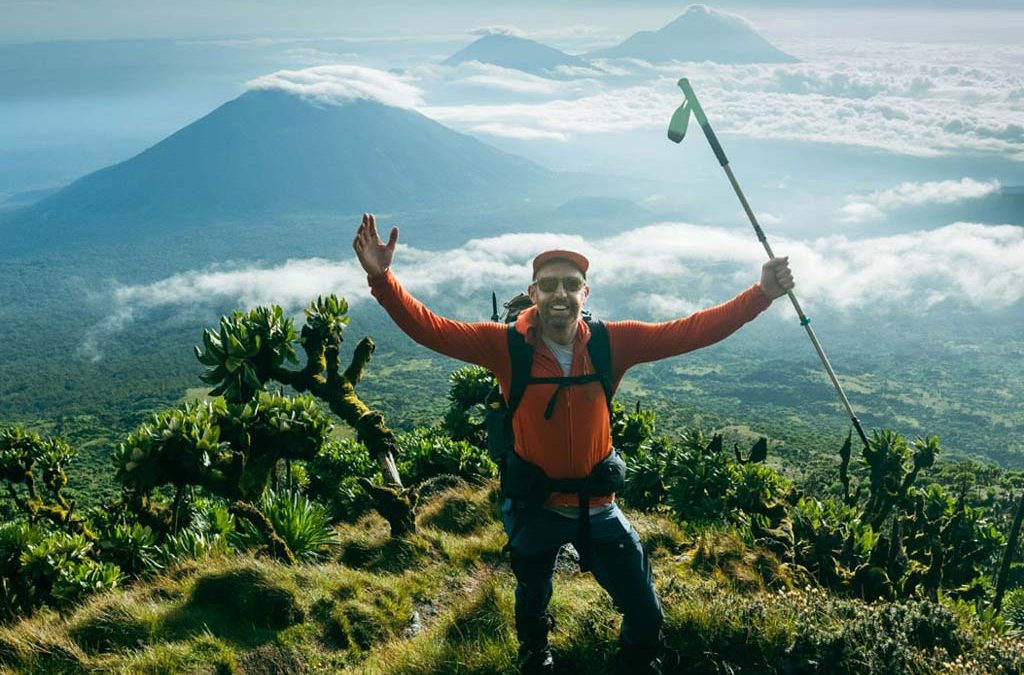
Rwanda, often called the “Land of a Thousand Hills,” is a small yet stunning country in East Africa. It is known for its breathtaking landscapes, rich culture, and diverse wildlife. In recent years, Rwanda’s tourism industry has flourished, making it one of the leading destinations in Africa. A key factor behind this success is Rwanda’s reputation as a safe tourist destination, which has attracted visitors from around the world. This blog will explore the various aspects of Rwanda’s tourism industry, including its history, safety measures, wildlife conservation efforts, infrastructure development, cultural attractions, and health services for tourists.
Overview of Rwanda’s Geographic Location and Size
Rwanda is a landlocked country bordered by Uganda to the north, Tanzania to the east, Burundi to the south, and the Democratic Republic of Congo to the west. Despite its small size—about 26,338 square kilometers—Rwanda boasts diverse landscapes that include mountains, savannahs, and lakes. The country’s elevation provides a temperate climate that attracts many visitors year-round.
Historical Context of Tourism in Rwanda
Tourism in Rwanda began gaining traction in the 1970s and 1980s when the government recognized its potential as a source of revenue and job creation. However, tourism faced significant challenges during the 1994 genocide against the Tutsi, which devastated the country and its economy. After the genocide, Rwanda focused on rebuilding its tourism sector as part of its recovery strategy. The government implemented policies to promote safety and sustainability in tourism, which has led to significant growth in recent years.
Safety and Security Measures in Rwanda
One of the key factors that have contributed to Rwanda’s success as a tourist destination is its commitment to safety and security.
Government Initiatives and Policies
The Rwandan government has taken various initiatives to ensure the safety of tourists. These include strict laws against crime and corruption, as well as efforts to promote peace and stability throughout the country. The government actively promotes Rwanda as a safe destination for travelers, which has helped restore confidence among potential visitors.
Community Policing and Engagement
Community policing is another essential aspect of Rwanda’s security strategy. Local communities are encouraged to participate in maintaining safety in their neighborhoods. This collaborative approach not only enhances security but also fosters trust between law enforcement and residents. Tourists can feel at ease knowing that they are visiting a country where safety is a top priority.
Wildlife Conservation Efforts
Rwanda is home to some of Africa’s most unique wildlife, including the endangered mountain gorillas. The country’s commitment to wildlife conservation plays a vital role in attracting tourists.
Gorilla Conservation Programs
Gorilla trekking is one of Rwanda’s most famous tourist activities. The government has established conservation programs aimed at protecting these magnificent creatures and their habitats. Through responsible tourism practices, visitors contribute directly to gorilla conservation efforts by purchasing trekking permits that fund protection initiatives.
National Parks and Reserves
Rwanda boasts four national parks: Volcanoes National Park, Nyungwe Forest National Park, Akagera National Park, and Gishwati-Mukura National Park. Each park offers unique wildlife experiences and stunning landscapes:
- Volcanoes National Park: Famous for its mountain gorillas and golden monkeys.
- Nyungwe Forest National Park: Known for its chimpanzee tracking opportunities and diverse bird species.
- Akagera National Park: Offers classic safari experiences with opportunities to see the Big Five.
- Gishwati-Mukura National Park: A newly established park focusing on biodiversity conservation.
These parks not only protect wildlife but also provide jobs for local communities through eco-tourism initiatives.
Infrastructure Development and Accessibility
Rwanda has made significant investments in infrastructure development to enhance accessibility for tourists.
Improvements in Roads and Transportation Networks
The Rwandan government has prioritized improving roads and transportation networks across the country. Paved roads connect major cities with national parks, making it easier for tourists to travel between destinations. Additionally, public transportation options such as buses and taxis are available for those who prefer not to drive.
Accommodation and Hospitality Services
Rwanda offers a range of accommodation options to suit various budgets—from luxury lodges near national parks to affordable guesthouses in urban areas. The hospitality sector has seen substantial growth over recent years, with new hotels opening up to cater to both international visitors and business travelers.
Cultural and Heritage Tourism
Rwanda’s rich culture and heritage are significant attractions for tourists looking for more than just wildlife experiences.
Promotion of Cultural Festivals and Events
Cultural festivals play an essential role in promoting Rwandan traditions and customs while attracting visitors from around the world. Events such as Umuganura (Harvest Festival) showcase traditional music, dance, food, and crafts that reflect Rwandan culture.
Historical Sites and Museums
Rwanda is home to several historical sites and museums that tell the story of its past:
- Kigali Genocide Memorial: A powerful site honoring victims of the genocide.
- Ethnographic Museum: Showcases Rwandan culture through artifacts.
- King’s Palace Museum: Offers insights into Rwandan royalty.
These sites provide valuable educational experiences for visitors interested in understanding Rwanda’s history.
Health and Well-being of Tourists
Ensuring the health and well-being of tourists is crucial for maintaining Rwanda’s reputation as a safe destination.
Healthcare Services and Facilities
Rwanda has made significant strides in improving healthcare services over recent years. Major cities like Kigali have modern hospitals equipped with necessary medical facilities for tourists who may require medical attention during their stay.
Safety Precautions and Travel Advisories
The Rwandan government provides travel advisories that inform tourists about health precautions they should take while visiting the country—such as vaccinations for diseases like yellow fever or malaria prevention measures.
Conclusion and Future Prospects
Rwanda’s tourism industry has come a long way since its recovery after the genocide in 1994. Today, it stands out as a model for sustainable tourism development in Africa.
Summary of Key Factors
Key factors contributing to Rwanda’s successful tourism industry include:
- A commitment to safety and security
- Strong wildlife conservation efforts
- Improved infrastructure
- Rich cultural heritage
- Quality healthcare services
These elements combine to create an attractive destination for travelers from around the globe.
Potential Areas for Further Improvement
While Rwanda’s tourism industry has made great strides, there are still areas for improvement:
- Diversifying Attractions: Expanding beyond gorilla trekking by promoting other activities such as birdwatching or cultural experiences.
- Enhancing Domestic Tourism: Encouraging locals to explore their own country can help sustain tourism during global downturns.
- Sustainability Practices: Continuing efforts toward eco-friendly practices will ensure that natural resources are preserved for future generations.
In conclusion, Rwanda offers an incredible array of experiences that appeal to various interests—from wildlife enthusiasts seeking adventure to those looking for cultural enrichment or relaxation by beautiful lakesides. With ongoing improvements in infrastructure, safety measures, conservation efforts, and hospitality services, there has never been a better time to explore this remarkable destination known as “the Land of a Thousand Hills.” Start planning your trip today!