2 Day Murchison Falls short Tour

2 Day Murchison Falls Short Tour: Nile Cruise, Game Drive and Itinerary
A practical Uganda short safari guide with real-world timing, boat cruising, savannah wildlife, accommodation advice and booking tips.

A 2 day Murchison Falls short tour is a concentrated northern Uganda adventure that pairs the Victoria Nile with savannah wildlife. From Kampala, you travel into Murchison Falls National Park for a scheduled Murchison Falls boat cruise, a comfortable overnight stay and a Murchison Falls game drive the following morning. The ideal Murchison Falls itinerary depends on your pickup location, cruise departure time, lodge and road conditions, so this guide separates core experiences from optional stops. Expect an exciting but active two days rather than a slow-paced holiday.
Why Choose a 2 Day Murchison Falls Short Tour?
A two-day safari can deliver a genuine introduction to Uganda’s largest national park, but it needs careful time management. You travel north from Kampala, spend one night near the Victoria Nile, and focus on one boat outing and one productive game drive. The reward is a dramatic combination of river scenery, savannah animals and the extraordinary waterfall for which the park is named. The compromise is a relatively long transfer in each direction and less flexibility than on a longer holiday. A Murchison Falls National Park guide helps explain the park’s wide landscapes, from palm-dotted grasslands to riverine woodland. Choose this format when your dates are fixed and you accept two active days rather than a leisurely retreat. The short duration should shape every decision, including the lodge location and which activities receive priority.
The most satisfying short safari is not necessarily the one advertising the longest list of stops. A properly paced two-day Murchison Falls safari usually concentrates on a late-afternoon boat excursion on day one and an early game drive on day two, with the exact order subject to boat departures, road conditions and park operations. A visit to the top of the falls can sometimes be added, but it should not jeopardize the main activities. If you add rhino tracking, you may need to give up another stop. Think of the trip as a carefully edited wildlife experience rather than a race to collect attractions. Clear expectations make even a brief safari feel immersive.
Where Is Murchison Falls and How Far Is the Road Journey?
Murchison Falls National Park lies in northwestern Uganda, where the Victoria Nile cuts through a powerful waterfall before continuing across the park toward Lake Albert. Most road tours begin in Kampala, although an Entebbe pickup can be arranged if the additional transfer is factored in. Driving from Kampala to the park area frequently takes around five to seven hours, depending on the entrance used, traffic, stops and the final lodge. A journey to an accommodation property beyond the entrance can take longer than a simple map estimate. The route discussed in road trips to Murchison Falls illustrates why an early pickup matters. Your driver should provide a location-specific travel plan rather than promising one fixed time for every lodge.
Road quality changes along the journey. Major highways are generally more straightforward than some park tracks, which can be dusty in dry conditions and muddy after rain. The river itself separates different wildlife-viewing areas, so your guide must know whether your lodge is on the north or south side and how to connect with the boat landing and game-drive tracks. The broader Murchison Falls safari destination covers this geography, but the practical question is simple: how much driving will you need inside the park before and after the organized activities? The answer affects your arrival time, meal breaks and rest. Leave margin for roadworks, wildlife on the tracks and normal delays.

The Best Two-Day Itinerary at a Glance
2 Day Murchison Falls Short Tour: Daily Schedule
Day one begins with a very early Kampala departure, normally before the city becomes busy. Travel north with a sensible rest stop and aim to reach the park in time for an afternoon cruise, subject to the operator’s confirmed departure time. The boat journey travels upstream on the Victoria Nile toward the base of the falls, with possible sightings of hippos, crocodiles and riverbank birds. After the cruise, transfer to your lodge for dinner and a quiet night. This is the core of a workable Nile boat safari and it avoids asking travelers to complete a full morning wildlife drive before they have even reached the park. The sequence may change if you start from a different location or have a scheduled air transfer.
Day two starts early enough for a Uganda safari game drive while animals may be active in cooler conditions. Your guide selects a route according to current park access, lodge location and wildlife movements. After breakfast or an early packed meal, check out and return toward Kampala. A stop at the waterfall viewpoint may fit on the drive out if the chosen route, opening arrangements and remaining daylight allow. This is a suggested sequence, not a fixed tour reservation: the cruise must be prearranged and wildlife sightings cannot be promised. A responsible itinerary identifies the primary activity for each day, estimated transfers and any optional stops that can be omitted without undermining the whole trip.
Day 1: Early Pickup and the Journey North
A driver-guide typically collects travelers from a Kampala hotel early in the morning and begins the drive toward the park through Uganda’s central countryside. The route can include roadside produce stalls, towns and stretches of farmland, but a short schedule leaves limited time for extended sightseeing. Keep breakfast simple, carry drinking water and have a light layer available for a cool departure. If your tour includes pickup in Entebbe, account for the extra distance and city traffic; an overnight stay in Kampala before departure may make the morning more comfortable. The first Uganda safari planning guide offers useful reminders about luggage and realistic scheduling. Your guide should confirm collection details the previous evening so the day does not begin with avoidable confusion.
At a practical roadside stop, use the facilities, stretch and purchase a snack if needed. Avoid an overly long lunch that could cause you to miss the river departure. Your guide may arrange lunch at a suitable point on the approach to the park, while some departures use packed food. Entering the park is not the end of the transfer; you still need time to reach the jetty or lodge. For travelers interested in Murchison Falls park activities, the short trip requires prioritizing the boat first and treating secondary activities as flexible. As the scenery opens into the Nile valley, the journey becomes part of the experience, with striking palms, changing vegetation and the possibility of roadside wildlife.
Check boat departures, lodge access and road transfers before reserving your two-day safari.
Day 1 Afternoon: Boat Cruise to the Base of the Falls
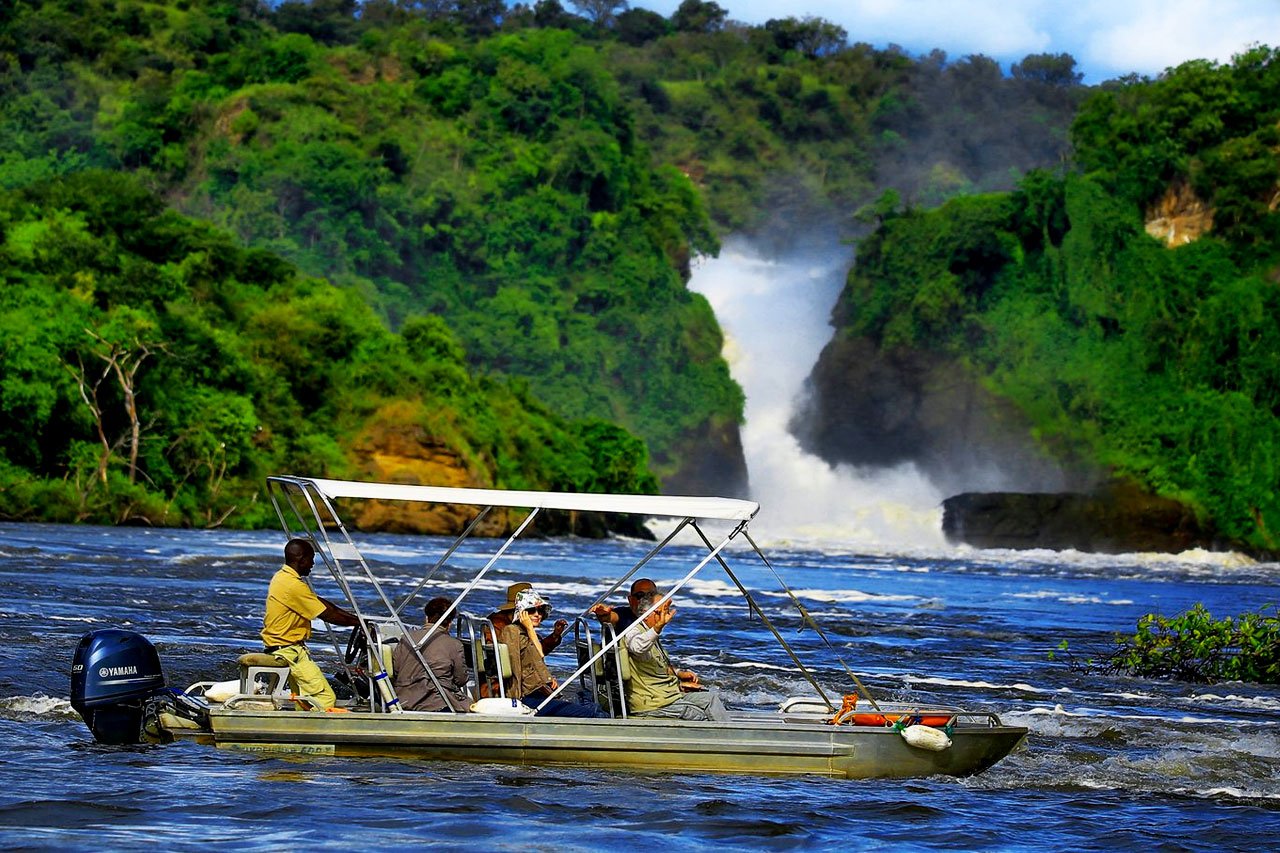
The afternoon boat safari is often the most distinctive part of the trip. From the Paraa area, a scheduled vessel generally moves upstream along the Victoria Nile toward the foot of the waterfall. Hippos may surface beside the channel, crocodiles sometimes rest on the banks, and herons, kingfishers and fish eagles can appear near the water. Elephants or buffaloes may approach the river, but such encounters depend on animal movements rather than the operator’s promise. A classic wildlife viewing and boat safari is about observing natural behavior from the water, not chasing particular species. Stay seated when instructed, keep your arms inside the boat and follow the crew’s safety briefing.
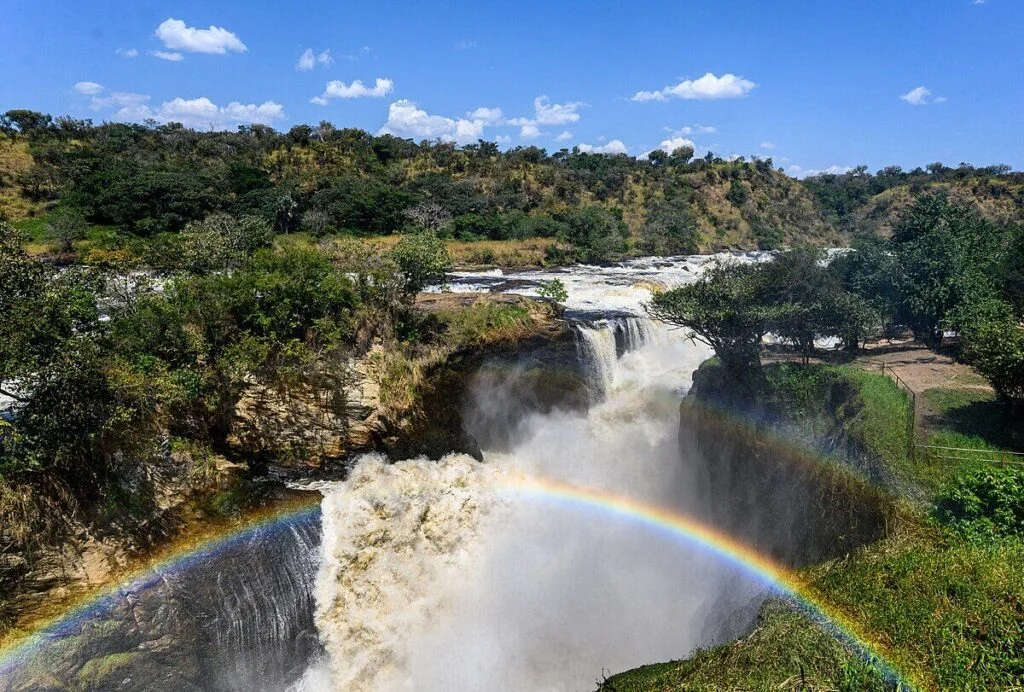
The river scenery builds toward the falls, where white water and spray mark the Nile’s passage through a narrow rocky gap. Boat trips generally approach a safe viewing area rather than entering the violent water below the gorge. Trip durations and launch times vary with the operator and river conditions; plan on several hours overall and verify the actual schedule before departure. Our broader boat safari experience in Uganda explains why these excursions appeal to photographers and birdwatchers as much as to first-time safari guests. Protect cameras from spray, use a lens cloth, and keep a waterproof bag handy. At the end of the cruise, proceed to your accommodation rather than adding a long late-night transfer to another sector.
What Makes the Waterfall So Remarkable?
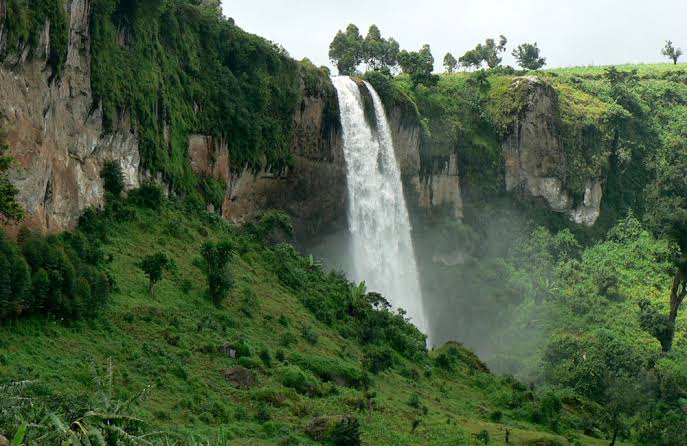
The waterfall is famous because a broad, powerful flow of the Victoria Nile is forced through a narrow rock opening before plunging downstream. From a river approach you see the cascade framed by steep walls; from the upper viewpoint you appreciate the force of the water as it enters the gorge. These are two different perspectives, and neither replaces the other. The Murchison Falls National Park highlights explain the natural setting, while a two-day itinerary must choose viewing opportunities according to actual time. If you are unable to visit the upper viewpoint on the first day, ask whether the route out of the park on day two makes a short stop possible. Avoid planning it as mandatory if doing so creates a stressful return drive.
The upper area can be noisy, wet and slippery near exposed rocks, so use designated paths and pay attention to guide instructions. A short visit provides excellent atmosphere without requiring a strenuous trek, although accessibility varies and the route should be checked for individual mobility needs. For more time around the waterfall and river landscape, an additional park night can make room for both viewpoints and an unhurried cruise. In the short tour, it is better to enjoy one perspective properly than to rush between viewpoints while watching the clock. Remember that high water, maintenance or safety restrictions may change access at short notice.

Where to Stay for the Single Safari Night
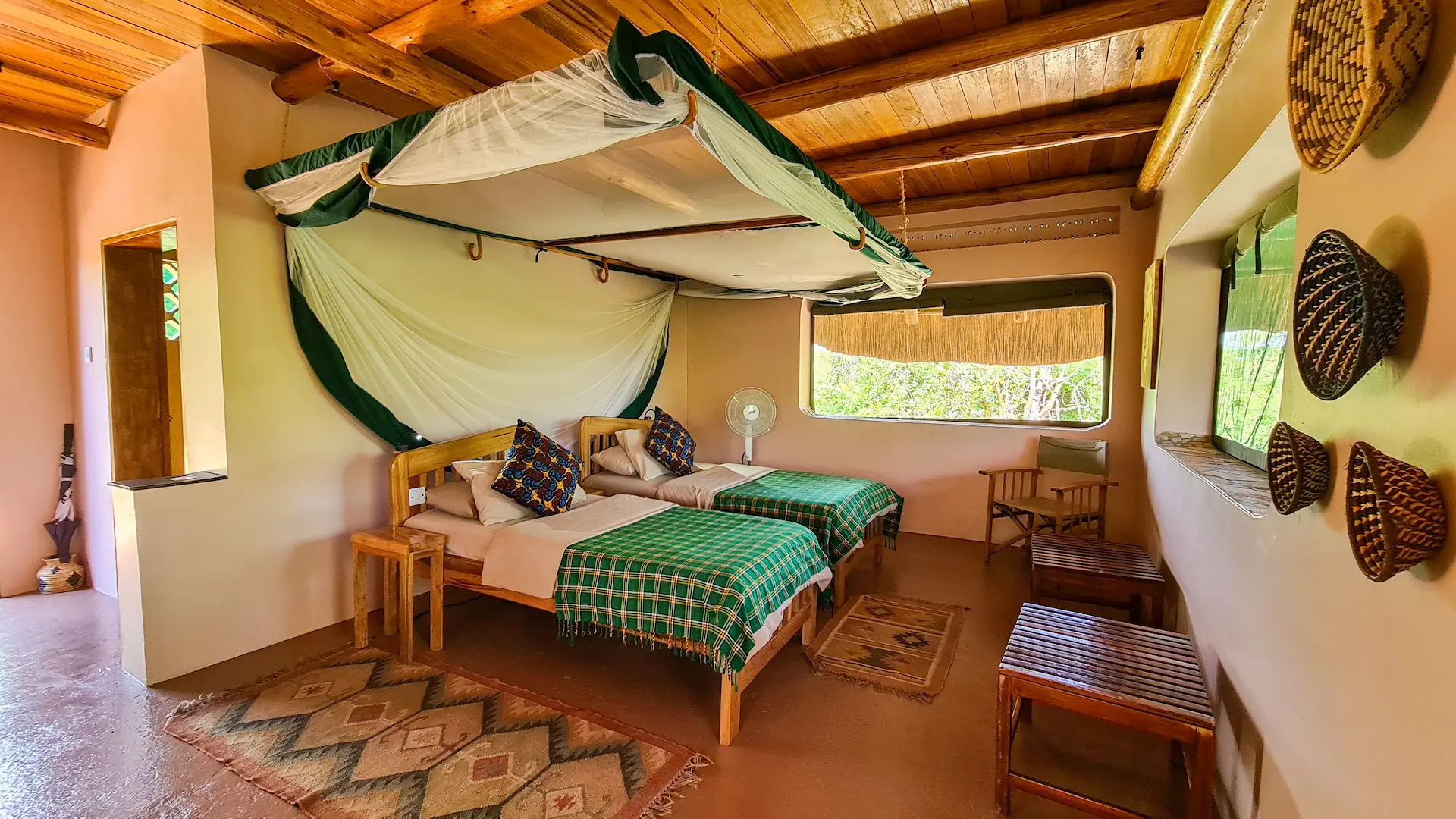
Your overnight lodge should be selected for logistics before luxury. A property close to the boat landing or the following morning’s game-drive area reduces time in the vehicle and allows a more restful evening. Budget camps, midrange lodges and upscale properties are available in and around the wider park area, but not all offer the same proximity to activities. Ask which bank of the Nile the accommodation occupies, how long the morning transfer takes, and whether the quoted itinerary includes necessary crossings. Travelers interested in a riverside stay can investigate Baker’s Lodge at Murchison Falls, while comparing it against other properties based on their own budget and route. A beautiful lodge on the wrong side of the day’s activities can cost precious hours.
Check the room arrangements, meals, electricity and luggage storage before confirming. Some properties provide an early breakfast or packed meal for game drives; others have fixed dining times. Ask the operator to identify the actual lodging name rather than a vague promise of “similar accommodation,” especially if a safari quote is described as all-inclusive. The three-day Murchison Falls safari can be a useful alternative if you would rather spend more time at the lodge and less time rushing between activities. On a two-day tour, dinner and a comfortable bed are part of what makes an early start on the second day enjoyable.
Day 2: Early-Morning Savannah Game Drive
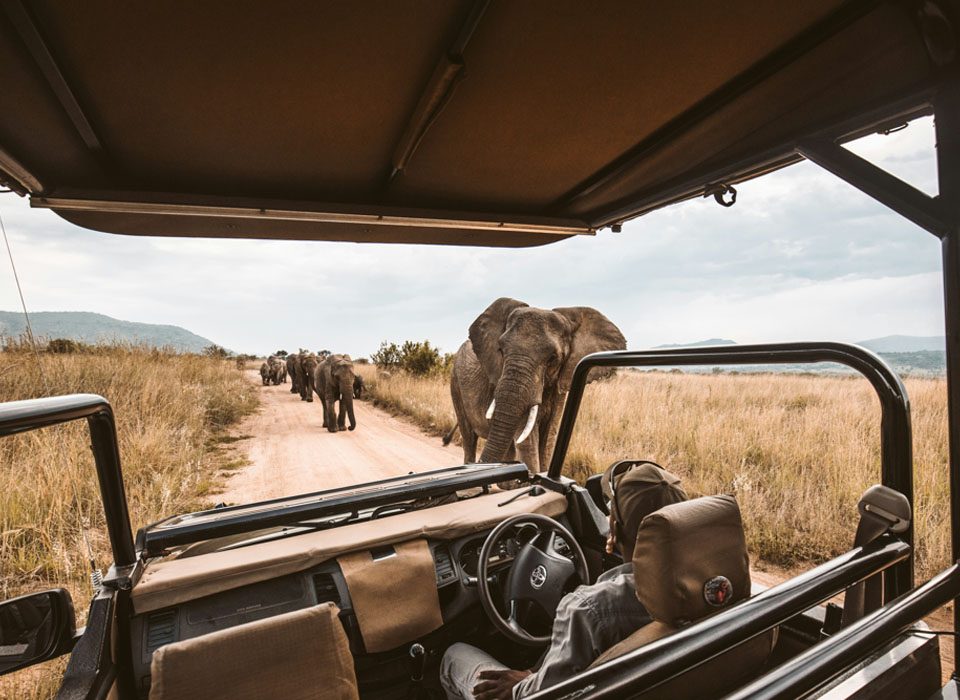
Wake before sunrise if your lodge and park access arrangements allow it. Early hours are often rewarding for wildlife viewing because temperatures are cooler and many animals are feeding or moving. In the northern grasslands, you may encounter Uganda kob, hartebeest, buffaloes, elephants and giraffes. Lions or leopards are possible but much less predictable, and no guide can guarantee them on a single drive. The game-drive experience in Uganda emphasizes patience, quiet observation and respecting wildlife space. A guide who recognizes tracks and animal behavior can often improve the experience without rushing between distant sightings. Bring binoculars even if you mainly plan to use a phone camera.
Expect the route to change with weather, access, sightings and the location of your overnight stay. Some wildlife areas require more transfer time than travelers realize, and the park’s size means that seeing everything in one outing is impossible. A focused Murchison Falls game drive is most enjoyable when the vehicle can stop for meaningful observation rather than spending the morning chasing distant reports. Remain in the vehicle except at places where your guide says it is permitted, and never pressure a driver to approach an animal too closely. After a few hours, return toward your lodge or continue toward the exit depending on the departure plan. This is typically the last major park activity of the short tour.

Which Animals Might You See in Two Days?
Murchison Falls protects an appealing mix of river and savannah wildlife. The boat trip offers chances for hippos, Nile crocodiles and waterbirds, while grassland drives can reveal giraffes, elephants, buffaloes, antelopes and occasionally predators. The distribution of animals changes with vegetation, rainfall, disturbances and time of day. For a realistic sense of sightings, the top animals on a Uganda safari are best treated as possibilities rather than a checklist. In two days, a traveler may enjoy an exceptional encounter with a single elephant family and never see a lion; that still makes for an authentic safari. Consider setting a few interests, such as birds or giraffes, while remaining open to surprises.
Bring binoculars, a modest zoom lens if you have one, and a camera that you can use quickly. Do not spend the entire drive looking through a screen. The best moments can involve subtle behavior: a giraffe browsing, a fish eagle watching the river or an antelope responding to alarm calls. Respect the space around animals and ask the guide to turn off the engine when practical so that everyone can observe quietly. The guide to wildlife photography on Uganda safaris offers practical ways to photograph wildlife without interfering with it. A short itinerary makes attentiveness more valuable than sheer quantity of sightings. Enjoying the environment is the most reliable reward.

Choose a game-drive route and a riverside cruise that fit the time available.
Can You Include Ziwa Rhino Sanctuary?
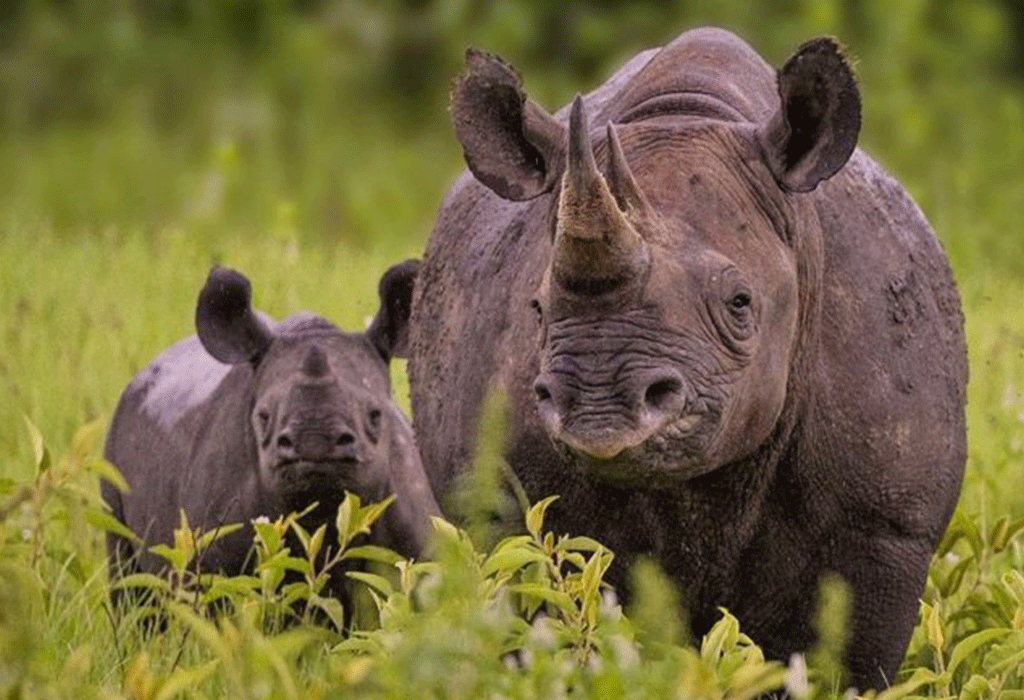
Ziwa Rhino Sanctuary sits along the general corridor between Kampala and the Murchison Falls region and is often offered as an optional rhino-tracking stop. A guided walking experience can be an excellent addition, but it takes time for arrival, briefing, walking and onward travel. When the afternoon river cruise is the main day-one activity, a full rhino visit may make the schedule uncomfortably tight. The Ziwa Rhino Sanctuary guide explains why the sanctuary appeals to travelers who want to see rhinos in a protected setting. Decide in advance whether it is more important than an upper-falls visit or extra time in the park. A guide should not promise every activity without demonstrating how it fits a realistic clock.
If you choose the rhino stop, your operator must check its opening arrangements and entry charges separately. Wear suitable walking shoes, carry water and follow the sanctuary ranger’s instructions. Some itineraries place Ziwa on the return journey, but that can lengthen an already tiring second day and reduce time for the morning game drive. The guide to Ziwa rhino tracking fees can provide background, although exact current charges should be confirmed directly. Travelers with children or tight evening commitments may prefer to omit the stop entirely. It is better to complete two core activities comfortably than to add a third at the expense of travel safety.

What Does a Two-Day Murchison Falls Tour Cost?
The total depends on the number of people sharing the vehicle, choice of lodge, park-entry category, boat service, meals and whether optional activities are included. Private travelers usually pay a higher per-person transport cost than a small group using the same vehicle. A quote may look affordable until park fees, the cruise, guide services and taxes are added. Request an itemized breakdown and ask whether the rate covers one full night, all transfers, park entry for the applicable time window, the selected launch trip, a guided game drive and drinking water. The general Uganda safari packages show how different tour styles can affect the overall budget. Compare like-for-like inclusions rather than relying on one headline amount.
Uganda Wildlife Authority publishes conservation tariffs, but fees have validity periods and can change. A tariff PDF valid through June 2026 should not be presented as a guaranteed rate for travel in late 2026 or 2027. Ask the operator to confirm the current official fees applicable to your nationality or residency category on the chosen date. If you are buying a complete short Murchison Falls tour package, clarify which costs remain optional, including rhino tracking, porter services, personal drinks and tips. Also check cancellation terms, minimum departure numbers and whether the park cruise is privately chartered or shared. Transparent pricing protects both the traveler and the local guide.
What Is Included and What Should You Ask About?
A well-presented quotation should describe the transport vehicle, pickup point, professional driver-guide, overnight accommodation, meals and named activities. It should distinguish scheduled group boats from private boats and identify whether entry and guide charges are included. Ask how much luggage you can carry and whether the vehicle offers enough space for everyone to view wildlife. If the operator mentions a “luxury” or “budget” safari, request the actual lodge and room category before paying. Travelers comparing custom Uganda safari packages should pay attention to operational detail rather than relying only on attractive photographs. A realistic itinerary is a useful form of quality control: you should know roughly when you will depart, cruise, sleep and return.
Exclusions often include personal drinks, souvenirs, gratuities, international flights, visas, travel insurance and activities not specifically listed. Some operators allow optional viewpoints or sanctuary stops if time permits, but it is important to know whether you will incur extra charges. If you are joining a small-group Uganda safari, verify the maximum vehicle occupancy and whether everyone has access to a window or raised viewing roof. A lower price is not automatically better value when it creates discomfort during long road sections. Ask for written confirmation of essential services and who to call if travel arrangements change. Sensible questions before booking are much easier than disagreements at the park gate.
Best Time of Year for a Short Wildlife Tour
Relatively dry periods, often around December to February and June to September, can make some road journeys and savannah viewing more convenient. Vegetation may be lower in places, although wildlife encounters remain unpredictable. Wetter periods bring lush landscapes, dramatic skies and appealing bird activity, but heavy rain can slow roads or change the best route. The best wildlife viewing seasons in Uganda vary by region and personal interest. Because the visit lasts only two days, build a little contingency into your plans whatever month you travel. A brief shower may create beautiful light, while prolonged rain can affect boat and road operations; neither outcome is entirely predictable from the calendar.
If you travel in the busier dry-season months, reserve accommodation and preferred boat seats early rather than assuming you can arrange everything on arrival. In greener months, choose footwear that tolerates mud and bring reliable rain protection for your camera. Travelers researching Uganda safaris in November should remember that the rainy-season pattern can differ from year to year. Plan around the activities most important to you rather than choosing dates solely from a chart. Sunrise and sunset times, daylight driving, individual health and the needs of children can matter as much as the monthly rainfall average. A short trip leaves little room to reschedule missed activities.
Packing List for a Comfortable Two-Day Safari
Travel light, but bring the essentials that protect comfort during a long transfer and time outdoors. Neutral-colored breathable clothing, a light warm layer, closed shoes, a broad-brimmed hat, sunscreen and insect repellent are sensible basics. A rain jacket or compact poncho is useful even in months commonly described as dry. Pack refillable drinking water, personal medicines and a small day bag that can fit safely inside the vehicle. The broader Uganda safari packing guide covers many of these items, although a short savannah trip does not require the heavier trekking equipment used for gorilla outings. If you are sensitive to dust, protect electronics and consider a lightweight scarf.
Binoculars add considerable value when animals are distant. A phone camera works for landscapes and close wildlife, but a modest zoom is helpful for birds and shy mammals. Bring a power bank, charging cable, extra memory and a waterproof pouch for the boat. Keep important documents secure and accessible rather than burying them in a suitcase. The Uganda safari dos and don'ts are a useful reminder to respect wildlife and fellow travelers. Avoid oversized luggage if your vehicle is shared, and prepare a separate overnight bag for easy lodge check-in. Comfortable clothing and good organization allow you to focus on the park instead of searching for misplaced items.

Compare current park charges and lodge options in one clear quote.
Is This Short Tour Suitable for Families or Older Travelers?
A two-day safari can suit a wide range of ages because the main wildlife experiences are usually vehicle- and boat-based rather than long hikes. The greater challenge is the concentration of travel: an early pickup, a lengthy road journey, a scheduled cruise, an overnight stay and another long return day. Children who struggle with extended car journeys may find the schedule tiring, and travelers with back or mobility concerns should ask about vehicle access, boat boarding and lodge steps. The Uganda safari with children provides a broader perspective on choosing an appropriate pace. A private vehicle can allow more flexible breaks, although scheduled park activities still impose time constraints.
For older travelers, a comfortable vehicle with easy access can matter more than a premium lodge. Ask about seating, toilets along the transfer route and the distance between the room and dining area. The boat landing may involve uneven ground, so request assistance and current access details if needed. Couples who want relaxed time together might prefer the Uganda safari for couples approach of extending the visit by a night rather than compressing all highlights. The right tour should accommodate personal needs without promising accessibility that has not been checked. Tell the operator about requirements before booking so the route, vehicle and activities can be chosen appropriately.
Two Days Versus Three Days: Which Is Better?
Two days works well when you have a strict time limit and your main goal is to experience the river and a savannah game drive. You will spend a meaningful portion of the trip on the road, and optional stops may have to be dropped. A third day allows additional wildlife outings, longer time at the waterfall and a calmer return journey. It can also create room for a sanctuary visit or a second boat experience without sacrificing the principal activities. Compare the three-day Murchison Falls itinerary with your actual travel dates rather than assuming a shorter tour is always cheaper per hour of safari. Sometimes the additional night provides disproportionately more time in nature.
If you hope to combine Budongo forest chimpanzee activities with river cruising and game drives, two days is usually too short for a comfortable road itinerary. The same applies if you want to spend substantial time birdwatching or take long photography breaks. A short visit is not an inferior adventure; it is a specific product for travelers who value efficiency and understand its trade-offs. Choose the length that matches your tolerance for driving, energy level and wildlife priorities. There is no value in a checklist that turns an exciting holiday into a series of deadlines.
Booking, Safety and Responsible Safari Etiquette
Confirm the specific tour date, pickup location, lodge, cruise reservation and driver contact before departure. Ask for a written quotation showing deposits and cancellation terms, then keep a copy accessible offline. Only book with a provider who can explain how an activity will fit into the planned transfer time. The practical step-by-step Uganda safari booking process is relevant to verifying what you are paying for. Avoid making an international flight connection directly after the return road transfer; unexpected delays are common enough to justify an overnight buffer when possible. If you must travel onward the same evening, discuss the risk openly and choose a schedule with additional margin.
Within the park, follow your guide’s advice, obey speed restrictions and do not feed animals. Keep noise low, store rubbish until you find appropriate disposal facilities and respect restricted areas. Your Uganda wildlife encounters should depend on responsible observation, not on approaching animals too closely for a photograph. On boats, observe crew instructions and never stand in unsafe positions to improve a camera angle. Do not ask a guide to drive dangerously to reach a sighting. Good safari etiquette protects wildlife, visitors and the local staff whose livelihoods depend on conservation. Responsible travel is especially important on a compressed itinerary when time pressure can encourage poor decisions.
Frequently Asked Questions About the Short Tour
Can a two-day trip include both a game drive and a Nile cruise? Yes, a carefully scheduled road safari can usually accommodate an afternoon boat trip on the first day and an early game drive on the second, but actual departure slots and transfers must be confirmed. Is the trip possible from Entebbe? Yes, although the road transfer is longer and may require an especially early departure or a preceding night in Kampala. Is a top-of-the-falls stop guaranteed? No; it depends on the route, opening conditions and available time. Can you see lions? They inhabit the park, but spotting them is never guaranteed on a short drive. These answers help frame a realistic booking discussion.
Do I need a specialist fitness level? Most standard activities do not require trekking fitness, although getting in and out of vehicles and boats should be considered individually. Is Ziwa included? Only if it appears explicitly in your confirmed itinerary and quote. Which month is best? Drier periods are often favored for road comfort and game viewing, but all seasons can offer worthwhile wildlife experiences. How late will I return? Arrival depends on where you started, how long you remain inside the park and road conditions, so do not rely on a fixed evening minute. The most important question is whether your operator has reserved the river activity and selected a lodge that supports the early wildlife drive.
Final Planning Advice: Keep the Safari Focused
A memorable two-day Murchison Falls tour combines clear priorities with enough flexibility for conditions in the park. Start early from Kampala, travel directly to the selected river outing, rest overnight in a conveniently located lodge, and use the cooler second morning for wildlife viewing. Check whether the waterfall viewpoint can fit on your actual route; keep rhino tracking as an optional addition only when the timing makes sense. A well-run short trip should feel busy but achievable, with no pressure to rush a guide or ignore safety instructions. Bring curiosity, a camera, patience and realistic expectations about wild animals.
Before booking, request a detailed day-by-day plan that names the park entry route, launch trip, game-drive area and lodging. Confirm up-to-date park and activity tariffs for your travel date, plus the provider’s terms for schedule changes. Remember that photographs and animal sightings are possibilities, not entitlements. What makes the journey memorable is the contrast between the thundering Nile, the spacious savannah and the wildlife that connects both habitats. When your itinerary respects distance and daylight, even a short Uganda safari can create a rich first impression of the country’s landscapes.
Planning references: Uganda Wildlife Authority conservation tariffs and Murchison Falls activity guidance; 2026 short-tour itinerary examples. Park fees, cruise departure schedules and access arrangements must be reconfirmed for the travel date.