10 Days Uganda Birding Rhinos and Primates Safari: Epic!

Uganda · 10 Days / 9 Nights · Private Wildlife Journey
10 Days Uganda Birding Rhinos and Primates Safari
A 10 Days Uganda Birding Rhinos and Primates Safari brings together three very different wildlife experiences: the patient excitement of searching for rare birds, the close but carefully guided experience of finding southern white rhinos on foot, and the memorable forest encounters with chimpanzees and mountain gorillas. This is not simply a checklist trip. It is a journey through papyrus swamps, woodland, open grassland, tropical forest and the cool montane landscapes of southwestern Uganda. Every habitat changes the sounds, species and pace of the day.
This route is designed for travelers who want a genuinely varied nature holiday without leaving out the country’s flagship primates. It begins near Entebbe with the possibility of shoebill sightings, heads north to the rhino sanctuary and the Budongo area, crosses the western forest corridor to Kibale, and ends with Bwindi’s mountain gorillas. We also include a wildlife-and-birding stop in Queen Elizabeth and an optional Lake Mburo break on the return. The schedule is ambitious, especially the road transfers, so a knowledgeable driver-guide and realistic departure times are essential.
Bird sightings are never guaranteed, and neither are close rhino views or the location of a gorilla family. The value of a private, adaptable itinerary is that an experienced guide can adjust the morning birding sessions, preserve required permit start times and select the right forest walks for your fitness. The plan below explains what to expect, where to slow down, how to budget, and when to book.
Why Choose This Uganda Birding, Rhino and Primate Journey?
Uganda lies where several major African ecological regions meet. That variety makes it possible to watch wetland specialists around Lake Victoria, find woodland and savannah birds farther north, and search for forest species around Kibale and Bwindi within one holiday. Keen birders can build a substantial species list, but newcomers also enjoy the color, songs and surprising behavior of everyday birds. A guide who recognizes calls is often more important than an expensive camera.
The rhino encounter at Ziwa adds an experience quite different from traditional game driving. Visitors join a supervised activity led by sanctuary staff; distances and walking routes depend on the animals and the instructions given on the day. The primate days offer another contrast: a chimpanzee trek involves listening and tracking in a lively rainforest, while the gorilla trek can become a quieter, more absorbing meeting in dense mountain vegetation. These encounters depend on permits, minimum ages and current park rules.
A successful itinerary respects the difference between birding and conventional sightseeing. Birds are often more active early in the morning, so we protect dawn sessions whenever practical. Long road transfers cannot be wished away, and a ten-day plan is not the right choice for someone expecting a relaxed two-night stay at every stop. Travelers who want extended forest birding at Ruhija, for example, may prefer to add two or three nights.
Private departures can be adjusted to your preferred birds, trekking fitness and confirmed permits.
Day 1: Mabamba Shoebill Search and Entebbe Birding

Meet your driver-guide in Entebbe after an early arrival or begin from an overnight hotel. Your first outing is a locally guided canoe or small-boat visit to Mabamba Bay wetland, an extensive papyrus environment on the edge of Lake Victoria. The signature target is the shoebill, a remarkable large bird that stands motionless while watching for fish. Search quietly through the channels with a community boat operator and keep your camera secured against spray. The shoebill is wild and mobile, so even a perfectly timed visit cannot promise a sighting.
Other possibilities include kingfishers, herons, egrets, jacanas and papyrus-associated birds. A dedicated shoebill watching excursion is best treated as a patient search rather than a race to photograph one animal. Morning light can be especially rewarding, and a guide may stop the boat to listen for calls or study the movement of smaller birds in the reeds. Bring binoculars even if you plan to use a telephoto lens.
If time and traffic allow, continue to the trees and forest edges around Entebbe for gentler Entebbe birdwatching. An alternative is a short forest outing in the Mpanga Forest, but it should not be squeezed in after a late flight. Your guide will confirm the safest and most useful option for the season. Overnight in or near Entebbe; use the evening to check batteries, waterproof your day bag and set expectations for the long drive north tomorrow.
Day 2: Rhino Tracking at Ziwa and Travel to Masindi
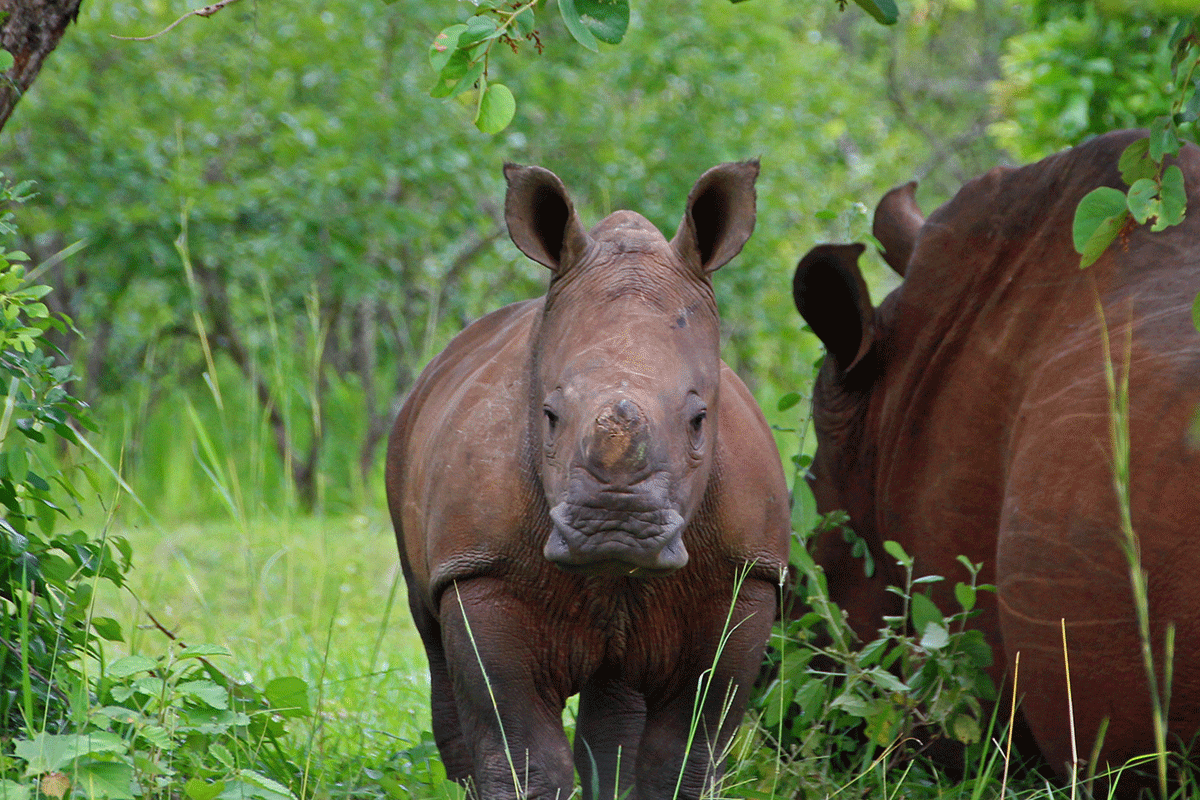
Leave Entebbe or Kampala early, aiming to reach Ziwa Rhino Sanctuary with enough daylight for the guided tracking activity. Uganda’s rhinos are protected in this sanctuary environment; they are not part of a free-roaming encounter in the national parks on this route. Follow the sanctuary ranger’s instructions closely, including where to stand, how to move and when to stop. Rhino-tracking experience conditions can change because of weather, animal movements and operational safety decisions.
The sanctuary’s open habitat also rewards attention to birds. Watch for weavers, bee-eaters, rollers and raptors while moving between locations; identification should be based on actual observations rather than a predetermined list. Travelers new to birding in Uganda often discover that the pauses between major wildlife encounters reveal some of the best sightings. Do not approach wildlife independently or attempt to alter the angle of a sighting for a photograph.
Continue toward the Masindi or Budongo area for the night, depending on your final lodge and road conditions. This overnight makes tomorrow’s forest birding more practical than trying to reach Murchison Falls late at night. The drive is part of the experience, passing rural trading centers, farms and changing vegetation. Allow the guide to manage stops so your arrival remains safely within a sensible schedule.
Day 3: Budongo Forest Birds and Murchison Falls

Spend the morning with a forest bird guide in Budongo Forest Reserve, where tall trees and shaded trails produce an entirely different birding atmosphere. The Royal Mile area is well known among specialist birders, but access and exact walking arrangements must be organized locally. Your guide may focus on calls, mixed-species flocks and the canopy rather than racing between sightings. The reward can be a detailed encounter with an unfamiliar forest bird rather than a high daily total.
Potential targets depend on the season and sector, and should be treated as possibilities rather than promises. Forest light can be dim, so stabilize binoculars, raise camera sensitivity when necessary and enjoy watching behavior before reaching for equipment. Good Budongo birding also means keeping conversations low and stopping often enough for the forest to settle. A slower, observant pace usually produces a richer experience than constant walking.
Depending on birding priorities and logistics, continue to Murchison Falls National Park for an afternoon wildlife drive or a visit to a viewpoint if open and safely reachable. This part of the trip shows how quickly Uganda can change from closed canopy to expansive plains. Overnight in the Murchison area. If travel delays disrupt the schedule, prioritize the confirmed lodge arrival and shift optional stops rather than attempting everything after dark.
Day 4: Murchison Wildlife, Nile Birds and Western Transfer

Start at dawn in the Murchison landscape, looking for grassland and savannah birds as well as larger mammals. The open country can bring raptors, rollers, hornbills, storks and other species into view, while the precise route depends on current tracks and park guidance. Ask your driver to stop the vehicle fully before identifying distant birds; quick roadside identifications are often wrong. Keep distance from animals and remain inside the vehicle wherever rules require.
If conditions and departure times fit, a Nile boat safari provides outstanding views of river habitat, with a chance of seeing waterbirds, crocodiles, hippos and other wildlife. Boat departure schedules, routes and availability must be checked when booking. For photography, keep your gear shaded and protect it from water; for simple enjoyment, binoculars are enough. Avoid assuming that one cruise will reach every viewpoint or show every target species.
The afternoon may involve a long drive toward the Hoima or Fort Portal corridor, depending on the precise lodge plan. This is a realistic point to adjust the itinerary: passionate birders sometimes choose an extra northern night and reduce another stop, while primate-focused travelers prefer to position closer to Kibale. Confirm road conditions before setting off. Overnight at a prearranged intermediate lodge rather than relying on optimistic drive-time estimates.
Private departures can be adjusted to your preferred birds, trekking fitness and confirmed permits.
Day 5: Kibale Forest Birding and Bigodi Wetland
Continue toward Kibale Forest National Park, a celebrated tropical forest with a rich primate community and a varied birdlife. Depending on arrival time, take a guided forest-edge outing or spend a quieter afternoon exploring the local landscape. Some specialists hope for the green-breasted pitta, but this elusive bird requires favorable conditions, excellent local guidance and considerable patience; it is not a routine sighting. Listen for turacos and other forest voices while your eyes adapt to the shade.
Later, visit Bigodi Wetland Sanctuary with a community guide if timing and weather permit. The boardwalk and trails offer a different habitat mosaic, with swamp plants, forest-edge birds and possible monkey sightings. A guided Bigodi visit is also a chance to support local conservation-based tourism. Do not treat local communities as part of a staged attraction: ask before photographing people and respect any restricted spaces.
Sleep near Kibale so tomorrow’s chimpanzee briefing is not jeopardized by a long commute. Review the park’s conduct rules with your guide and check whether your permit is for the morning or another confirmed session. Comfortable walking shoes, a light rain layer and drinking water matter more than specialized expedition gear. Good sleep before the primate trek is one of the easiest improvements you can make to your experience.
Day 6: Chimpanzee Trekking in Kibale Forest

Chimpanzee Trekking in Kibale: What the Forest Experience Is Like
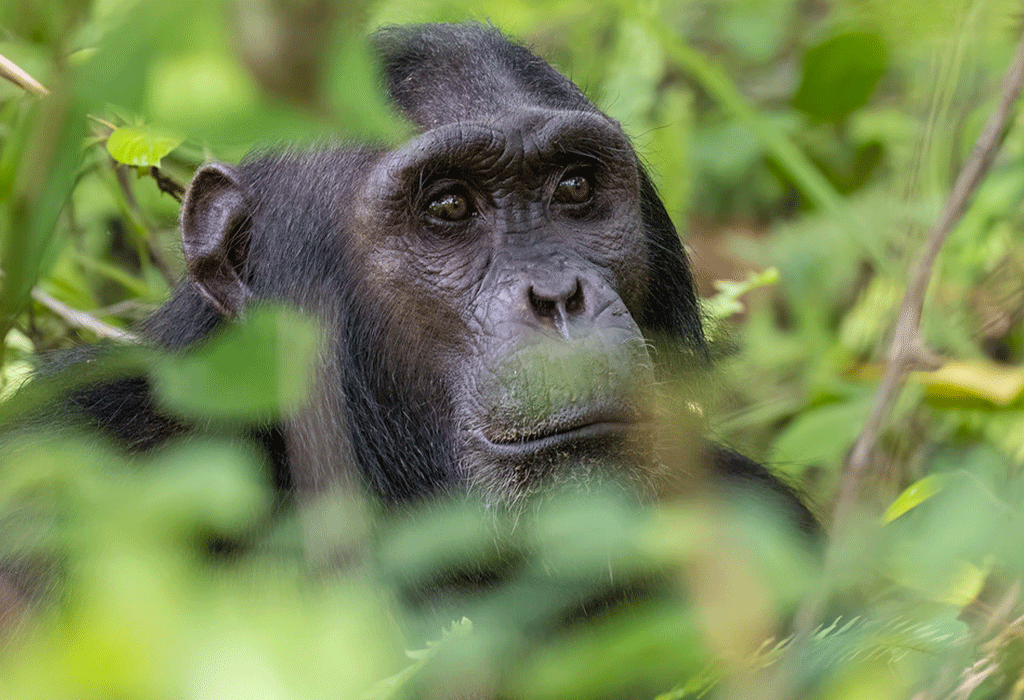
Report for your confirmed chimpanzee trekking briefing in Kibale. Rangers explain how to behave around the animals, how close visitors may stand and what to do if the chimpanzees move. Tracking can involve uneven ground, roots, mud and frequent changes of direction. The chimpanzees may be vocal and energetic or briefly visible high in the canopy; the experience is never choreographed. Follow the ranger’s decisions rather than trying to anticipate the group’s route.
Afterward, enjoy a calm lunch and compare observations with your guide. You may have noticed hornbills, butterflies, monkeys and forest plants between chimpanzee encounters, and these details often become the strongest memories of the day. Because chimpanzee permits are date- and session-sensitive, reserve them before finalizing lodging. The applicable fee depends on visitor status and the current Uganda Wildlife Authority tariff, not on a permanently fixed price quoted on an old blog.
If energy and daylight allow, spend time identifying birds around the forest boundary before resting. A dedicated birding traveler may prefer a second guided Bigodi walk, while a traveler with limited stamina might choose a lodge afternoon. Tonight should be comparatively restful: the itinerary moves toward the Queen Elizabeth landscape tomorrow, and maintaining an early schedule is important for both wildlife and road safety.
Day 7: Queen Elizabeth and Kazinga Channel Birding

Drive south toward Queen Elizabeth National Park, watching the scenery open into crater lakes, farmland and savannah. This is primarily a transition day, but an experienced guide can turn appropriate stops into useful birding sessions without compromising arrival times. In the park, watch for open-country species and larger mammals in their natural habitat. The route and viewing opportunities vary with weather, road accessibility and where wildlife happens to be.
The Kazinga Channel boat cruise is one of the region’s best options for waterbirds and close observation of shoreline wildlife. If the booking schedule aligns with your arrival, take a licensed boat excursion with your guide’s assistance. You may see cormorants, herons, kingfishers, pelicans, hippos and other animals, but counts and distances cannot be predicted. Respect the boat operator’s safety instructions and avoid leaning across other passengers for photographs.
Spend the night in the Queen Elizabeth area. Some travelers extend this stop for a fuller game-drive program, while dedicated birders value the habitat contrast before entering Bwindi’s forest. If the road transfer runs long, move the cruise to a compatible time or replace it with a shorter birding walk where permitted. A successful safari is not measured by how many activities are forced into the last hour of daylight.
Day 8: Journey to Bwindi and Montane Forest Birds
Travel toward Bwindi Impenetrable Forest through the southwestern landscape, potentially passing through the Ishasha wildlife corridor when route and conditions make sense. Open woodland may produce raptors, bee-eaters and other birds not often seen in the deeper forest. Large mammals can appear along the way, but the road journey should not be presented as a guaranteed lion-viewing excursion. Keep your passport and permits secure and let the guide handle park-entry arrangements.
Gorilla trekking in Bwindi is famous, but the park also protects an important montane bird community. Depending on the gorilla trekking sector, a guided forest-edge walk may introduce Albertine Rift specialties and an entirely new set of calls. Bwindi gorilla sectors matter: Buhoma, Ruhija, Rushaga and Nkuringo are not interchangeable accommodation locations. Your lodge should be selected only after your assigned gorilla sector is confirmed.
Arrive with enough time to check your walking equipment. Ask about a porter if you would benefit from carrying support or assistance on steep trails. Check the next morning’s reporting place and start time rather than relying on a generic online itinerary. A final briefing about fitness, camera etiquette and permitted proximity can prevent anxiety on the most anticipated morning of the trip.
Private departures can be adjusted to your preferred birds, trekking fitness and confirmed permits.
Day 9: Gorilla Trekking in Bwindi Impenetrable Forest

10 Days Uganda Birding Rhinos and Primates Safari: Gorilla Trekking Day
Today is the headline gorilla encounter. After an early breakfast, travel to the appropriate park briefing point with your issued permit and identification. Rangers organize trekking groups and describe the conservation rules. Tracking may take a short time or require a longer, strenuous climb over muddy slopes and dense vegetation. The location of the gorilla family is not fixed, so it is important to arrive prepared for uncertainty as well as excitement.
When you reach the gorillas, the permitted viewing period is normally limited to one hour under standard tracking rules, subject to ranger direction. Stay quiet, keep the required distance, and never touch or feed the animals. Flash photography is prohibited. If you feel unwell with a potentially infectious illness, tell the operator before trekking; protecting gorillas from human disease is a central part of responsible tourism.
Return to your lodge when the trek ends. A relaxed afternoon is wiser than scheduling another demanding excursion, although a nearby community visit may be possible if approved and you still have energy. The forest can be cold and wet even in months thought of as dry, so pack a change of socks and a warm layer. Sleep in the Bwindi region and reflect on the experience rather than rushing immediately into a cross-country transfer.
Day 10: Return to Entebbe or Extend at Lake Mburo
Begin the return journey toward Entebbe after breakfast. This is a substantial driving day from many Bwindi sectors, so departure should be early and the vehicle should allow comfortable, safe breaks. The exact route may pass through the Lake Mburo corridor, where changing vegetation offers final opportunities for roadside birdwatching. A brief stop cannot replace a proper guided safari inside the national park, but it can be a pleasant farewell to Uganda’s varied scenery.
Travelers with additional time can extend the trip with a night near Lake Mburo National Park, where a Lake Mburo walking safari and savannah birding may complement the forest-heavy itinerary. That extension is especially useful when international flight timing makes a same-day drive impractical. For a strict ten-day plan, book an evening flight only after allowing a conservative travel buffer; unpredictable traffic or road delays may make an Entebbe overnight much safer.
Your guide can help review your bird checklist, identify any uncertain observations and discuss which habitats you would revisit on a longer safari. The goal is to leave with a balanced collection of experiences: shoebill habitat, a rhino encounter, western Uganda’s forest birds, chimpanzees and mountain gorillas. No single journey can capture every species, but this route shows how different Uganda’s protected landscapes can feel within one trip.
Planning the 10-Day Route Without Rushing
The ten-day route is a practical framework, not a promise of exact drive times. A version linking Entebbe, Mabamba, Ziwa, Budongo, Murchison, Kibale, Queen Elizabeth and Bwindi crosses long distances, and some days will be mostly road travel. Tour planners should check the current road surface, park gates, boat schedules and the location of each night’s accommodation before confirming the final sequence. If you want considerably more forest birding, remove a stop rather than shrinking sleep and breakfast time.
For birders, the guiding arrangement is central. Ask whether your driver-guide is also a specialist bird guide or whether local guides will join at Mabamba, Budongo, Bigodi and Bwindi. The best guide can identify songs, explain habitat differences and slow down for a distant call without sacrificing permit appointments. A shared safari geared mainly to big mammals may not provide the same birdwatching depth as a dedicated private vehicle.
For primate travelers, sector matching is equally important. Gorilla trekking permits require location planning: a permit in the Rushaga area does not make a lodge far away in Buhoma convenient, and early reporting is mandatory. Leave room in the program for difficult weather and unexpected delays. If the combination of long distances and multiple activities feels too intense, an eleven- or twelve-day version makes a material difference.
Key Birding Habitats and Species to Look For
A Uganda birding safari becomes more rewarding when the wish list is organized by habitat rather than by a fixed number of promised species. At Mabamba, concentrate on the shoebill and other papyrus and open-water birds. On the northern savannah and in Murchison, watch for rollers, bee-eaters, storks and raptors. In Budongo and Kibale, listening for forest calls becomes essential, while Bwindi provides opportunities for montane specialists and Albertine Rift endemics. Sightings depend on the season, weather, local access and the skills of both guide and observer.
Experienced birders may want to spend extra time around Ruhija in Bwindi, known for challenging forest species. However, a full-day specialist hike is not automatically compatible with the gorilla sector assigned to a standard ten-day itinerary. Decide whether the trip’s priority is an extensive bird list or a balanced first-time safari. Both approaches are rewarding, but they require different allocation of daylight and lodging.
Bring binoculars you already know how to use, a simple field guide or offline bird app, and a notebook for notes immediately after sightings. Record habitat, size, shape, behavior and call before settling on an identification. When the bird remains uncertain, leave it as uncertain. Ethical birding avoids playback or crowding that may disturb sensitive species, and never requires entering protected areas without an authorized guide.
What to Expect During Ziwa Rhino Tracking
Tracking rhinos is an outdoor walking activity supervised by sanctuary personnel, not an independent hike. Group sizes, entry arrangements and time on the ground may change according to site rules. You will usually walk through open or lightly wooded habitat and observe animals from a distance determined by the guide. A rhino can change direction quickly, so obey instructions even when the animal appears calm.
Wear closed shoes, neutral-colored clothes and sun protection. Keep water accessible, and avoid separating from the group to photograph an animal from another angle. The sanctuary visit also helps explain the conservation effort involved in maintaining and rebuilding rhino populations in Uganda. Questions about the animals, their habitat and local protection work are often more valuable than seeking a dramatic close-up.
Parents should verify current age or participation rules directly with the sanctuary when reserving. Travelers with mobility limitations should describe their needs before booking and ask whether a suitable arrangement is possible. Conditions on the trail can be more important than the distance shown on a map.
Comparing Chimpanzees and Mountain Gorillas
Chimpanzee and gorilla tracking are distinct experiences. Chimpanzees can move quickly through forest canopy and produce loud calls, whereas gorilla viewing often involves finding a family resting, feeding or moving through thick vegetation. Both require patience and compliance with ranger instructions. Your experience may be physically demanding even when the time spent with animals is limited, and visibility depends on where the animals choose to move.
Gorilla trekking has a minimum age requirement of 15 years under standard UWA rules. Chimpanzee participation rules can differ by activity and site; verify the currently applicable minimum before paying for family bookings. Notify the operator about serious mobility or health limitations so they can explain available support and park decisions without suggesting access can be guaranteed.
Protect primates from infection by avoiding visits when you are sick and by following any current masking, distancing or hygiene requirements. Do not bring food out in the animals’ presence, imitate their calls or attempt a selfie within prohibited distances. These encounters are conservation experiences first, even when visitors hope to return with memorable photographs.
Cost and Permits for a 10 Days Uganda Birding Rhinos and Primates Safari
An accurate safari quotation should separate the base ground package from activity permits. For many international travelers, the gorilla permit is one of the biggest individual expenses, with chimpanzee tracking another important line item. The Uganda Wildlife Authority’s published standard tariff for foreign non-residents has commonly listed US$800 for a gorilla trek and US$250 for Kibale chimpanzee tracking; special-season rates and future tariff updates can change what applies to your date. Request a current written breakdown before paying.
Your quote should say whether it includes private transport, a driver-guide, fuel, lodging, meals, park entry, rhino tracking, Mabamba boat fees, local bird guides, a Kazinga cruise, porter services and airport transfers. Some listed lodges sell half-board rather than full-board packages; lunch, drinks and tips may be extra. Ask for the exact properties and room categories instead of accepting a vague ‘mid-range’ label that hides differences in location and comfort.
Because gorilla and chimpanzee availability can drive the entire route, obtain confirmation of both permits before purchasing restrictive flights. Foreign non-resident booking channels may need to go through a licensed tour operator under current UWA guidance. Keep the official permit invoice, passport details and cancellation terms together, and verify where refunds or date changes are permitted. An inexpensive package is not good value if the permit dates and lodges do not line up.
Private departures can be adjusted to your preferred birds, trekking fitness and confirmed permits.
Best Time to Visit for Birds, Rhinos and Primates
The best gorilla trekking season depends on your priorities. Uganda is visitable throughout the year, but weather affects the comfort of forest walking and the condition of secondary roads. Drier periods often make gorilla trekking and long outdoor sessions easier, while wetter months may bring vibrant vegetation, active birdlife and muddy forest trails. There is no universally perfect month for every species. A birder looking for specific seasonal visitors may choose a different window from a photographer seeking clearer roads and light.
Bwindi and Kibale remain humid environments even when other parts of the country feel sunny. Rain can arrive without much warning, and temperatures vary with elevation. For Mabamba and the northern plains, plan for warmth, sun and occasional showers. Build the trip around the precise goals that matter most, then ask the guide what species and conditions are realistic for those dates.
Peak travel periods can place pressure on the limited gorilla trekking places and on lodges near the briefing sectors. Book early when your dates are fixed. Travelers with flexible timing should compare current permit conditions and seasonal weather rather than assuming that any low-season promotion applies automatically to their nationality, activity or departure month.
Packing List for Wetlands, Forests and Game Drives
A practical Uganda safari packing list begins with layers rather than one heavy outfit. Essentials include waterproof walking boots with good grip, long trousers for forest undergrowth, a lightweight rain jacket, sun protection, insect repellent and a small daypack. Gloves can help when grasping vegetation on a slippery gorilla trail. A walking pole or porter may be useful, subject to park practices and availability. Carry personal medicines and any required documentation in your hand luggage.
Birders need binoculars first, then a charged camera if desired, a field notebook and a way to protect equipment from sudden rain. A dry bag or waterproof cover is particularly useful for boat excursions at Mabamba and on the Nile or Kazinga Channel. Avoid wearing bright or noisy clothing for forest outings and remember that lodges may have limited charging outlets or intermittent power.
Keep luggage manageable because it will be moved between several lodges. Bring a reusable water bottle where safe refilling arrangements are available, and ask the operator about drinking-water provisions. Check airline baggage limits for domestic flights if you adapt the route to include one. Comfortable clothing for long vehicle transfers is just as important as technical trekking gear.
Responsible Wildlife Encounters and Local Communities
A strong wildlife itinerary supports the people and places that make it possible. Use authorized guides, respect local communities, and ask before photographing individuals or their homes. Pay required conservation fees through proper channels. At Mabamba and Bigodi, community-guided activities can create meaningful local benefits when arrangements are transparent and respectful.
Stay on approved trails and follow ranger instructions near mammals, especially rhinos and great apes. Never feed wildlife or pressure guides to approach an animal more closely than rules permit. Dispose of waste responsibly, minimize plastic where practical and avoid disturbing nesting birds for photographs. Responsible travel is not a marketing phrase when visitors face real choices in the field.
Choose operators who explain risks, limitations and conservation rules honestly. A good safari guide will sometimes say ‘not today’ to an unsafe activity or an impossible detour. This protects wildlife, staff and guests, and generally makes the trip more enjoyable than an itinerary built around unrealistic guarantees.
Frequently Asked Questions
Is this safari suitable for beginners? Yes, the itinerary can work well for interested first-time birders because local guides explain common species and different habitats. Be aware that the travel days are long and the forest trekking can be physically demanding. A private itinerary is especially useful if travelers in the group have very different interests or walking speeds.
Can I see the shoebill, rhinos, chimpanzees and gorillas in ten days? This itinerary visits appropriate places for each experience, but the sighting of any particular wild animal cannot be guaranteed. Gorilla and chimpanzee trekking need confirmed permits; rhino tracking is a supervised sanctuary activity; and shoebill sightings depend on weather, animal movement and the guide’s search.
How many nights are included? A typical ten-day tour has nine nights, but the exact lodge distribution depends on flight schedules and the final sequence. Adding a pre-tour Entebbe night improves the odds of an early Mabamba outing after a long international flight. An extra night near Lake Mburo can make the return journey more comfortable.
Should I book a porter for the gorilla trek? If you are uncertain about steep or slippery walking, requesting porter support in advance may be sensible. It can also provide local employment. A porter does not eliminate the physical demands or override the ranger’s assessment of whether a route is suitable.
Is a yellow fever certificate required? Current Uganda travel tips should include this check: entry and health requirements may depend on nationality and travel history, and guidance can change. Check Uganda’s current official immigration and public-health instructions and consult a qualified travel-health professional about vaccinations and malaria prevention before departure.
Plan Your 10 Days Uganda Birding Rhinos and Primates Safari
The best 10 Days Uganda Birding Rhinos and Primates Safari combines memorable wildlife encounters with enough space to notice the landscape between them. A shoebill search at Mabamba teaches patience; the sanctuary walk shows how carefully rhinos must be protected; forest birding at Budongo and Kibale rewards listening; and the chimpanzee and gorilla treks offer extraordinary encounters with Uganda’s great apes.
Uganda safari itineraries are best treated as informed starting points. Ask for a quotation with confirmed trekking dates, a clear list of inclusions, a realistic road schedule and accommodation chosen for the correct gorilla sector. If birdwatching is your main passion, request more time in the specialist forests. If great apes are the priority, keep the permit days fixed and allow recovery time after trekking. The most rewarding safari is the one tailored to the wildlife you want to understand, not merely the most stops on the map.
Planning note: park charges, trekking availability, travel requirements, seasonal discounts, routes and operational rules may change. Confirm current terms directly with the responsible authority and your licensed safari operator before paying. Images are drawn from the supplied project image library; their remote availability has not been independently verified.